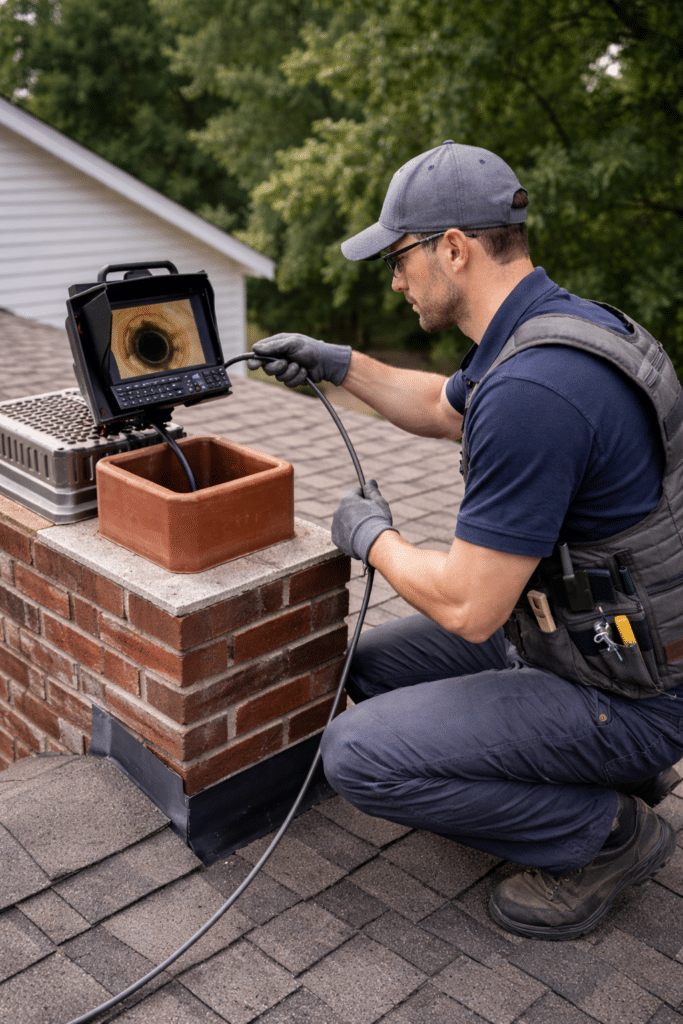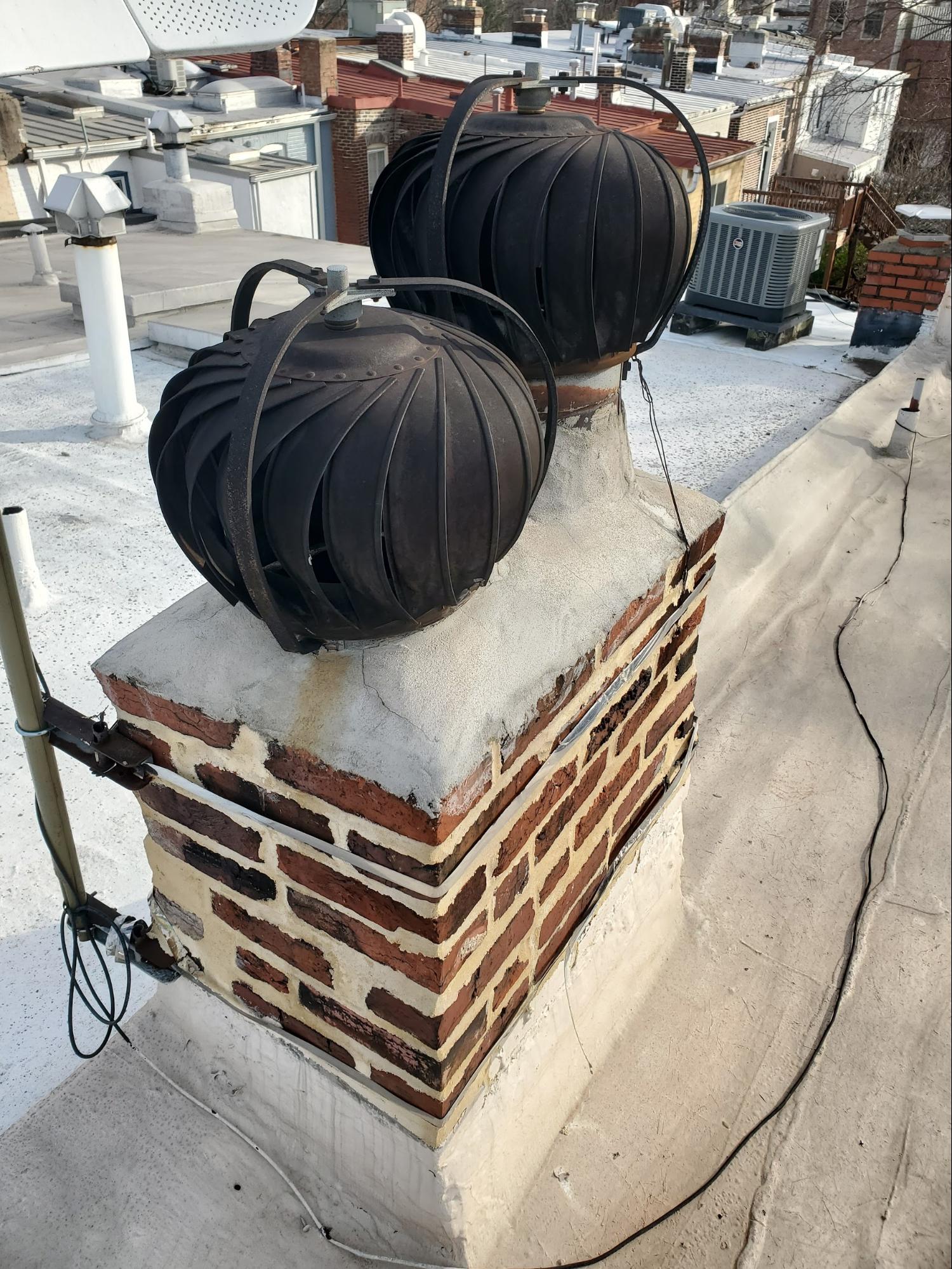
Philadelphia has some of the oldest housing stock in the country, and with that comes a lot of character, charm, and yes, a fair share of chimneys that have been standing for decades. Whether you live in a rowhome in Fishtown, a twin in Mount Airy, or a newer build out in the Northeast, chances are your chimney sees more wear and tear than you might expect. Scheduling a yearly inspection isn’t just a nice idea, it’s genuinely one of the smartest things a local homeowner can do to protect their home and their family.
Philadelphia’s Weather Is Tougher on Chimneys Than You Think
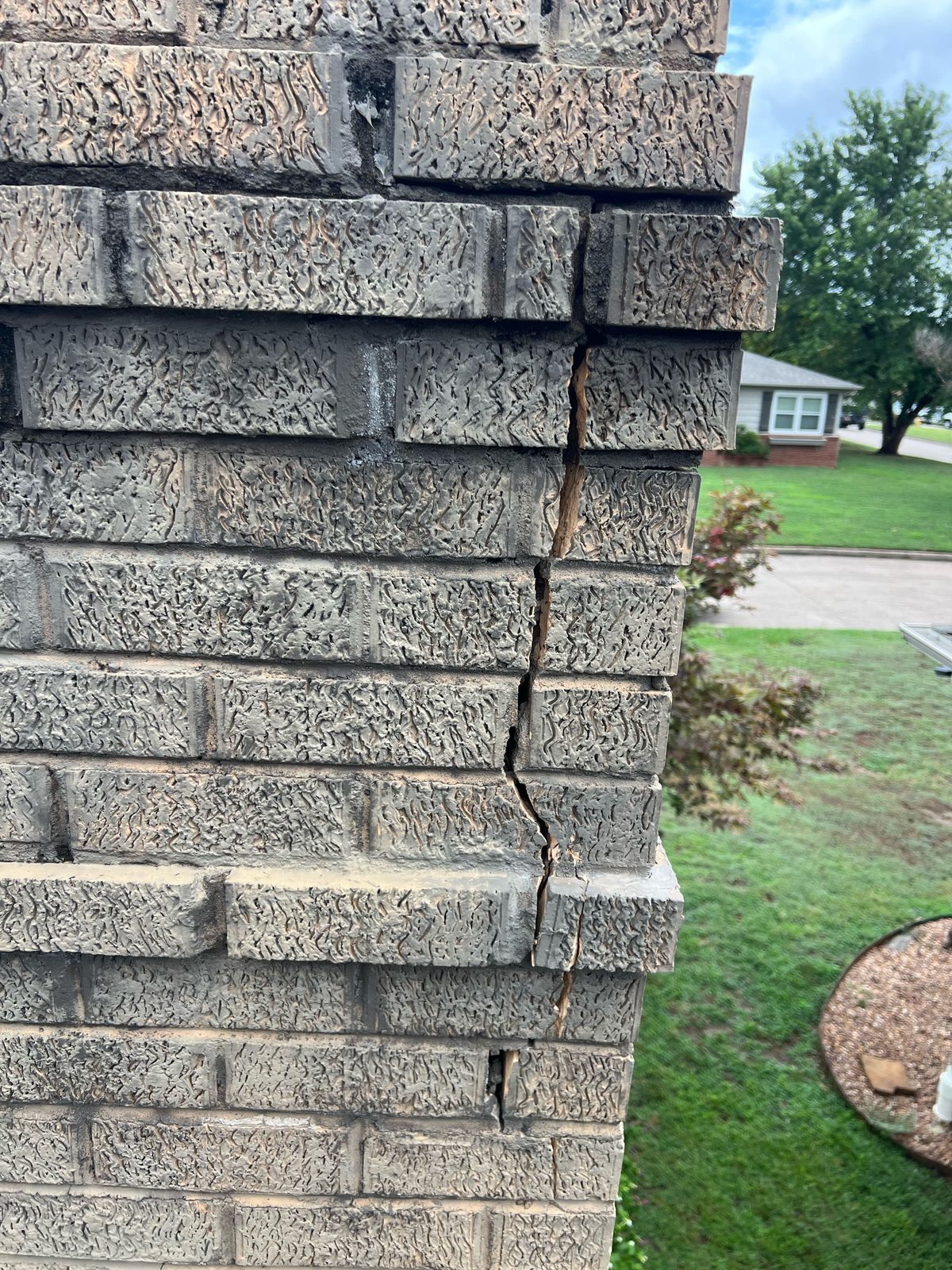
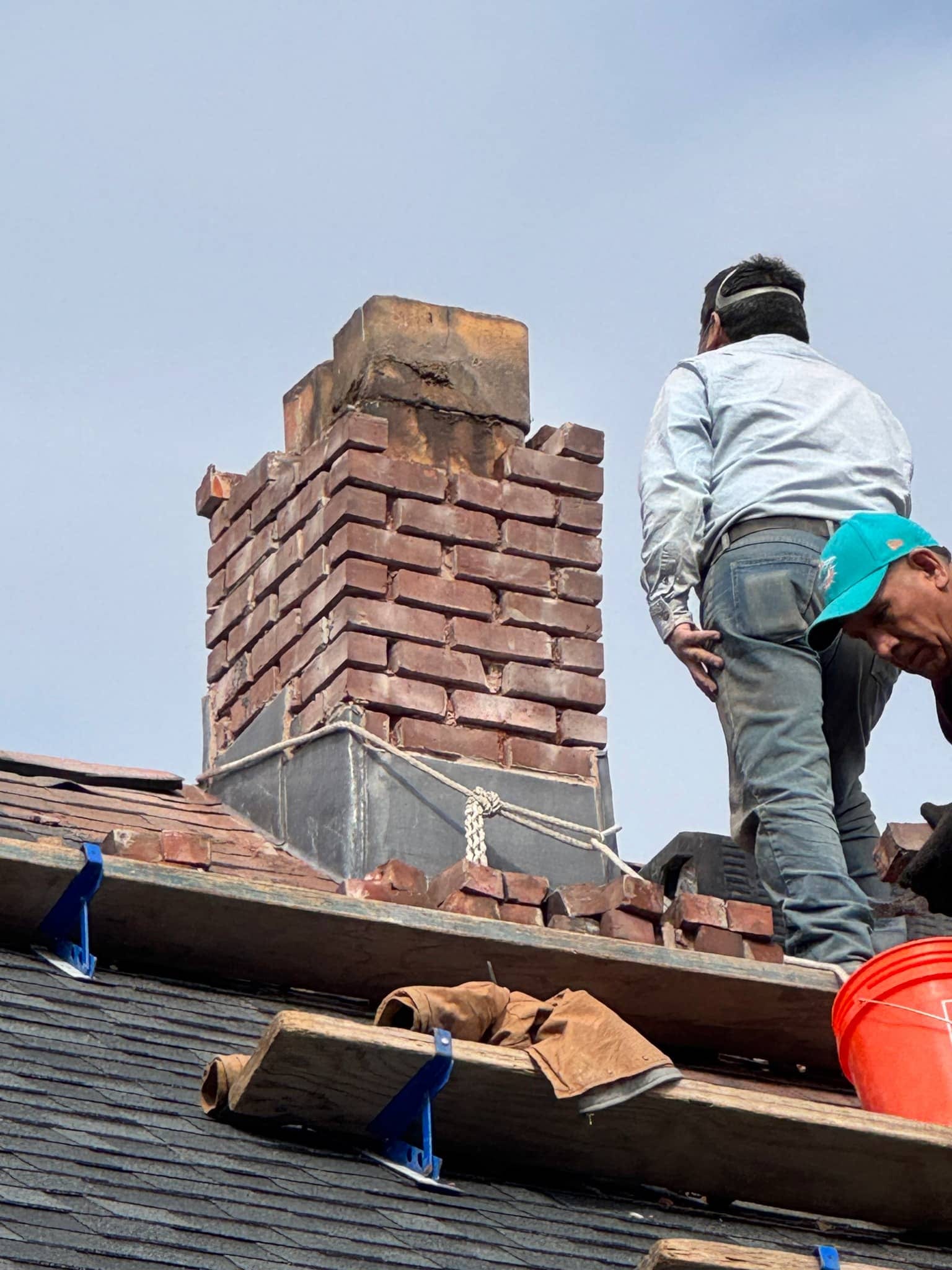
The city goes through real seasonal swings, hot humid summers, freezing winters, and everything in between. That constant back and forth between heat and cold causes materials to expand and contract, which over time leads to cracked mortar, damaged flashing, and weakened masonry. A chimney that looked perfectly fine last spring can develop hidden issues after just one rough winter. An annual inspection catches these changes before they turn into costly repairs.
Older Homes Come With Older Chimneys
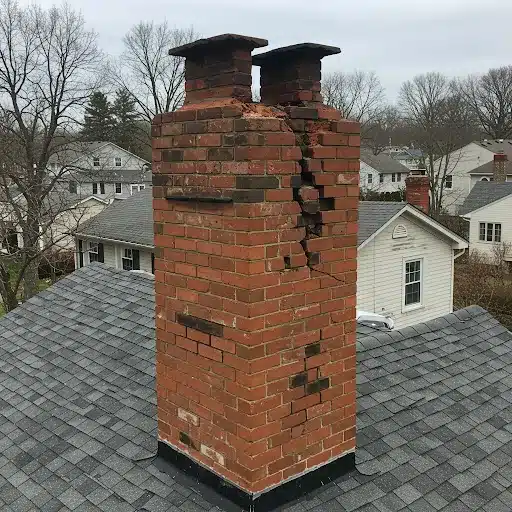
[IMAGE 1: old brick chimney with mortar cracks]
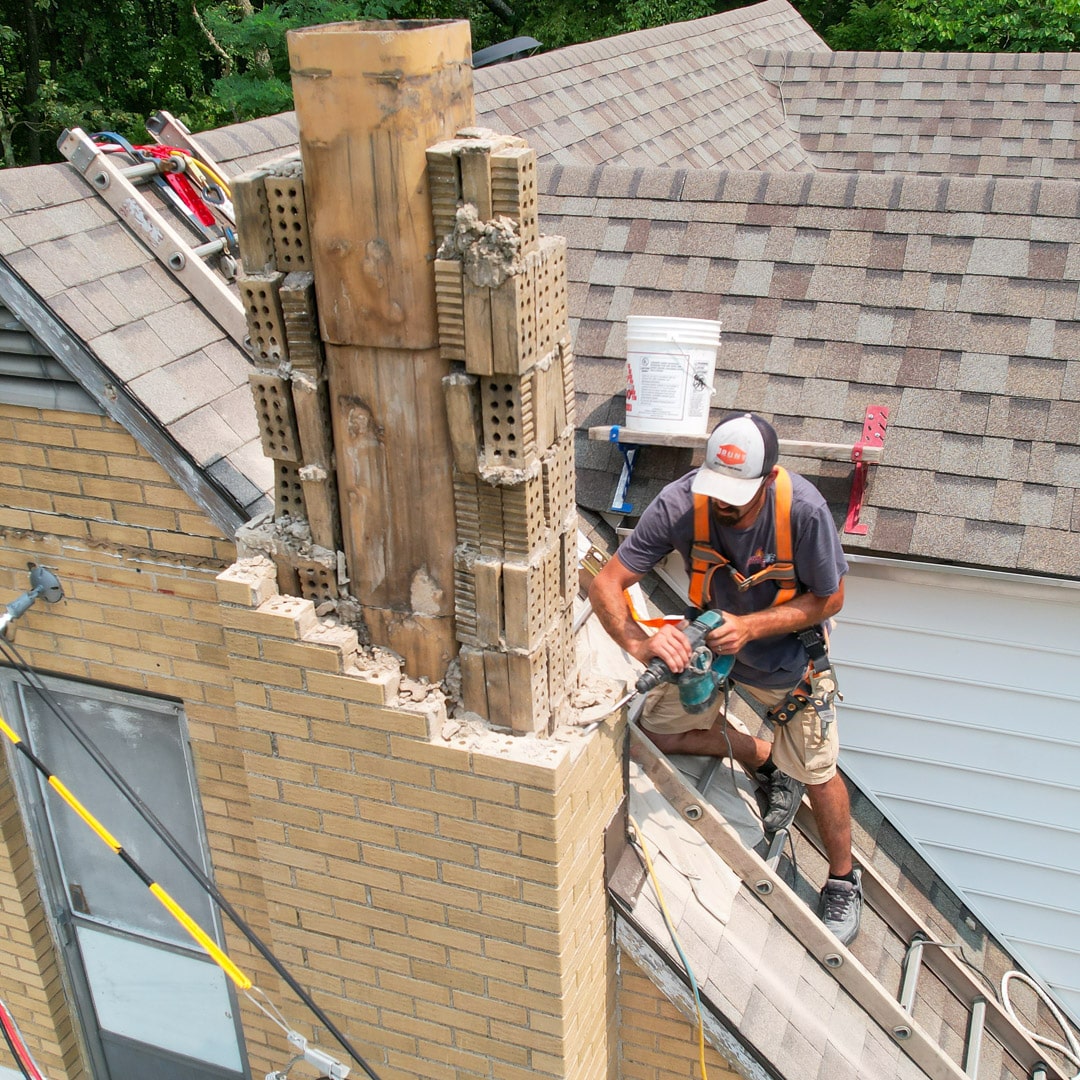
A huge portion of homes in Philadelphia were built well before modern chimney codes and materials existed. Many chimneys in the city are made of older brick and mortar that simply wasn’t built to handle today’s heating systems or the same volume of use. Even chimneys that have been well maintained over the years can have hidden wear inside the flue that isn’t visible from the ground. A trained inspector knows exactly what to look for in these older structures, things a homeowner walking by with a flashlight would likely miss.
Rowhomes Share Walls, and Sometimes They Share Problems
One thing that makes Philadelphia unique is how many homes share walls with their neighbors. If a chimney has a structural issue, that problem doesn’t always stay contained to one property. Cracks, leaks, or ventilation issues can sometimes affect adjoining walls or shared chimney structures in twin and rowhome style properties. Getting your chimney inspected every year isn’t just about protecting your own home, it can also help you stay ahead of issues before they become a bigger, more complicated situation involving your neighbors.
Fire Risk Is Real in a Dense City
[IMAGE 2: chimney fire safety]
With homes built so close together across much of Philadelphia, a chimney fire carries more risk than it might in a more spread out suburban area. Creosote buildup, cracked liners, and blocked flues are all things that raise the chances of a chimney fire, and in a densely packed neighborhood, that risk matters even more. A yearly inspection helps make sure your chimney is safe to use and isn’t putting your home, or the homes around you, at unnecessary risk.
Local Code and Insurance Considerations
Many insurance companies and local regulations expect chimneys to be properly maintained, and some may even require documentation of a recent inspection, especially if you’re filing a claim related to fire or water damage. Having a yearly inspection on record gives you peace of mind and paperwork to back you up if you ever need it. It also helps if you’re planning to sell your home, since buyers and their inspectors in Philadelphia often pay close attention to chimney condition given how common older masonry chimneys are throughout the city.
Comfort and Efficiency Matter Too
Beyond safety, a well maintained chimney simply performs better. A clean, properly inspected chimney allows for better airflow, which means your fires burn more efficiently and your home heats more evenly during those cold Philadelphia winters. Nobody wants to deal with a smoky living room or a fireplace that just won’t draft right, and a yearly check helps make sure that doesn’t happen.
Make It Part of Your Yearly Routine
Think of a chimney inspection the same way you’d think about getting your car’s oil changed or your HVAC system serviced. It’s a small, manageable task when done regularly, but it becomes a much bigger headache when ignored for years at a time. Philadelphia homeowners deal with unique conditions, from older housing stock to shared walls to unpredictable weather, and a yearly inspection is one of the easiest ways to stay ahead of problems before they turn into expensive surprises.
Scheduling an inspection once a year keeps your home safer, keeps your fireplace working the way it should, and gives you one less thing to worry about when the temperature starts to drop.