If you’ve ever called a chimney company and heard the term “Level 1 inspection” thrown around, you might have wondered if that’s just fancy talk for a regular inspection. It’s a fair question. A lot of homeowners assume all chimney inspections are basically the same, just different companies using different words to describe the same walk around look at your fireplace. But there’s actually a real difference, and knowing what it is can save you money, time, and maybe even a headache down the road.
Where the Term “Level 1 Inspection” Comes From
The term “Level 1 inspection” comes from the National Fire Protection Association, specifically NFPA 211, which is the standard that most chimney professionals follow. This organization actually breaks chimney inspections into three levels, and each one covers a different amount of ground depending on your situation.
What Happens During a Level 1 Inspection
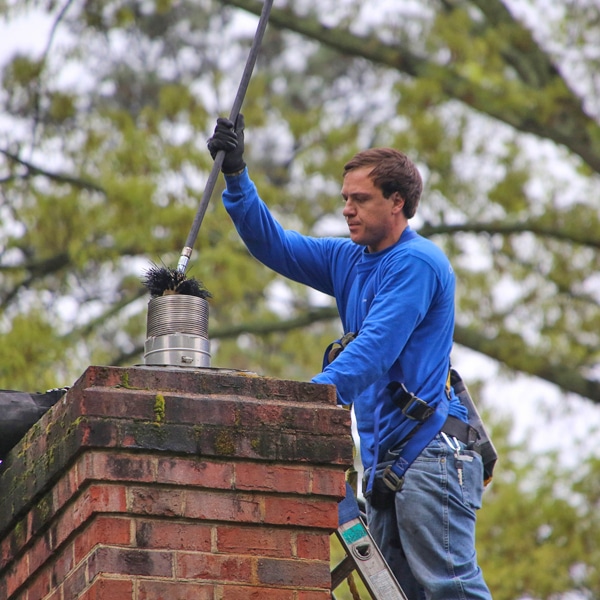
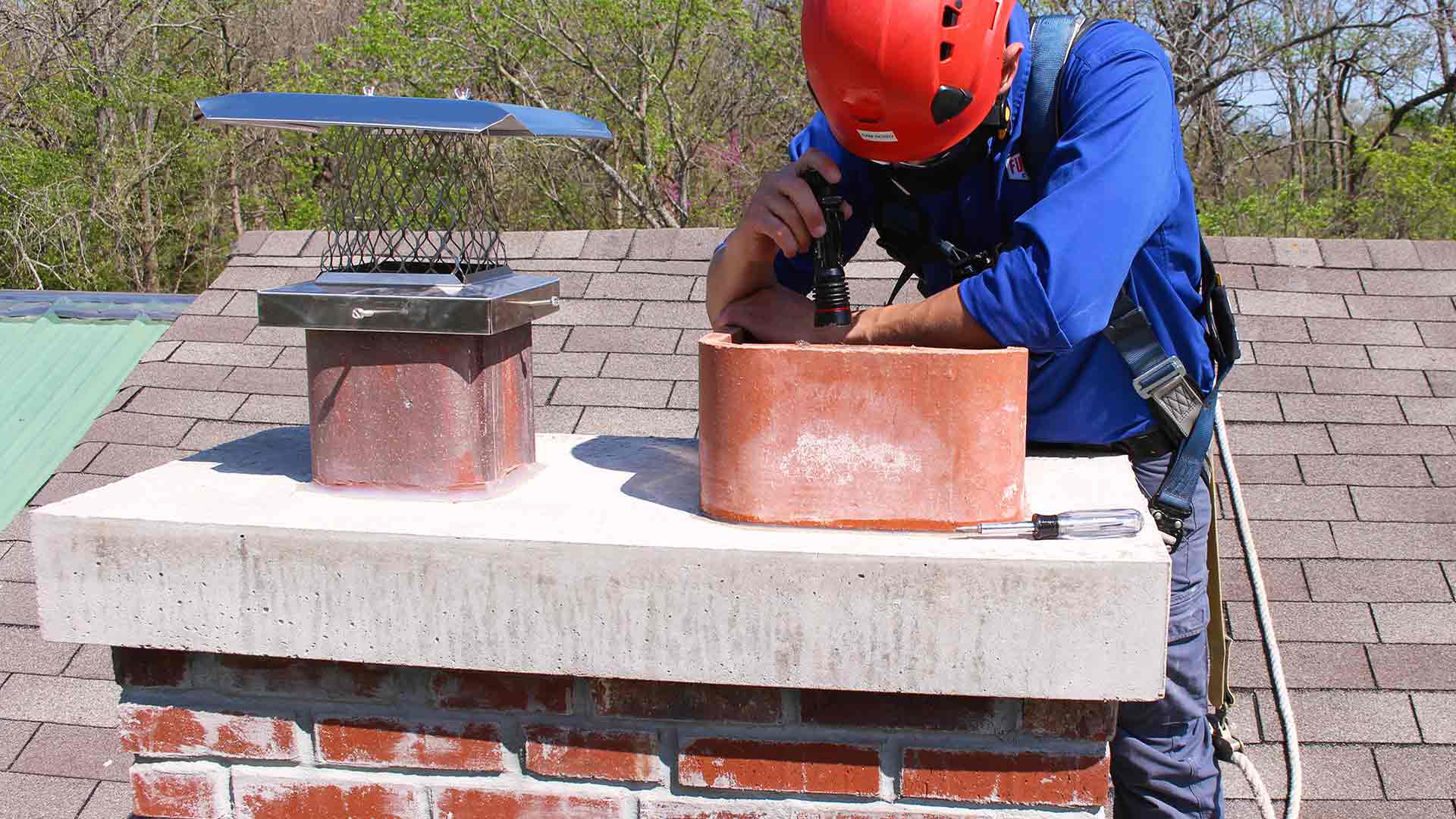
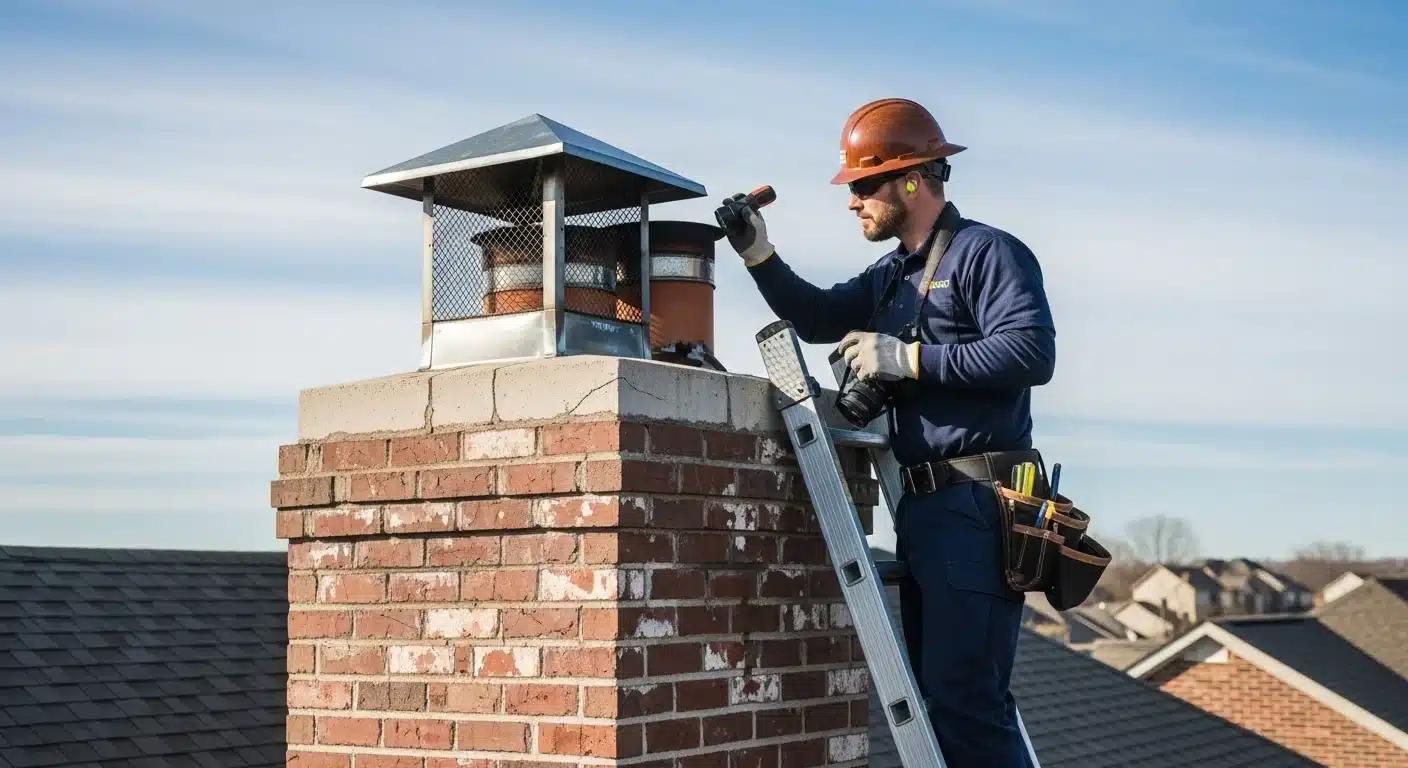
A Level 1 inspection is the most common type and the one most homeowners need every year. It’s meant for chimneys that haven’t had any changes made to them and that you plan to keep using the same way you always have. During this inspection, a technician checks the parts of the chimney that are easy to reach. That includes the readily accessible portions of the flue, the firebox, and the damper. They’re looking for basic soundness, checking for creosote buildup, making sure there are no obvious signs of damage, and confirming the chimney is free of blockages. Think of it as your standard yearly checkup, similar to what you’d get from a doctor when nothing seems wrong but you want to make sure everything is still working the way it should.
Is a Standard Inspection the Same Thing?
Now here’s where things get a little confusing. When people say “standard chimney inspection,” they usually mean the same thing as a Level 1 inspection. It’s not really a separate category, it’s more of a casual way to describe the basic once over inspection that most homeowners get done annually. So in most everyday conversations, Level 1 and standard inspection are interchangeable terms.
When You Actually Need a Level 2 Inspection

The real difference shows up when you compare a Level 1 inspection to Level 2 or Level 3 inspections, which is probably what’s actually being asked when people wonder about the distinction. A Level 2 inspection goes much deeper than a Level 1. It’s required when you sell or buy a home, after a chimney fire, after any kind of severe weather event like an earthquake or major storm, or when you make changes to your heating system such as switching from wood to gas. This type of inspection includes everything in a Level 1, plus access to attics, crawlspaces, and basements. Technicians will also use video scanning equipment to look inside the flue itself, checking for cracks or damage that simply can’t be seen with the naked eye.
What About a Level 3 Inspection?
Then there’s a Level 3 inspection, which is the most invasive of the three. This one is only needed when a serious problem is suspected and the inspector needs to see areas that are otherwise hidden. It might involve removing parts of the chimney or wall to get a full picture of what’s going on. Homeowners rarely need this level unless there’s a specific concern, like suspected structural damage that can’t be diagnosed any other way.
Putting It All Together
So to bring it back to the original question, a standard chimney inspection and a Level 1 inspection are typically one and the same. If you’re getting your chimney checked as part of routine maintenance and nothing unusual has happened, you’re getting a Level 1. If you’re buying a home, dealing with storm damage, or switching fuel types, you’ll want a Level 2. And Level 3 is reserved for those rare cases where something more serious needs to be uncovered.
Why This Matters for You
Knowing these differences helps you ask the right questions when you call a chimney company. Instead of just asking for an inspection, you can specify what you actually need based on your situation. That way you’re not paying for more than necessary, and you’re also not settling for less than what your chimney really requires to stay safe and working properly all season long.