Every year, the same thing happens. The temperature drops out of nowhere — one day you’re still running the AC, and the next you’re digging through the closet looking for a hoodie. And then comes that moment. You want to light a fire. It feels cozy, it feels right, and then you hesitate. When was the last time you even looked at that chimney?
If you’re like most homeowners, the answer is “not recently.” And honestly, that’s okay — fall chimney prep isn’t glamorous, nobody talks about it at dinner parties. But getting it done before the cold sets in? That’s the kind of thing you’ll quietly congratulate yourself for on a freezing November evening when the fire is crackling and everything just works.
Here’s how to actually do it.
Start With Your Eyes (a Visual Inspection)
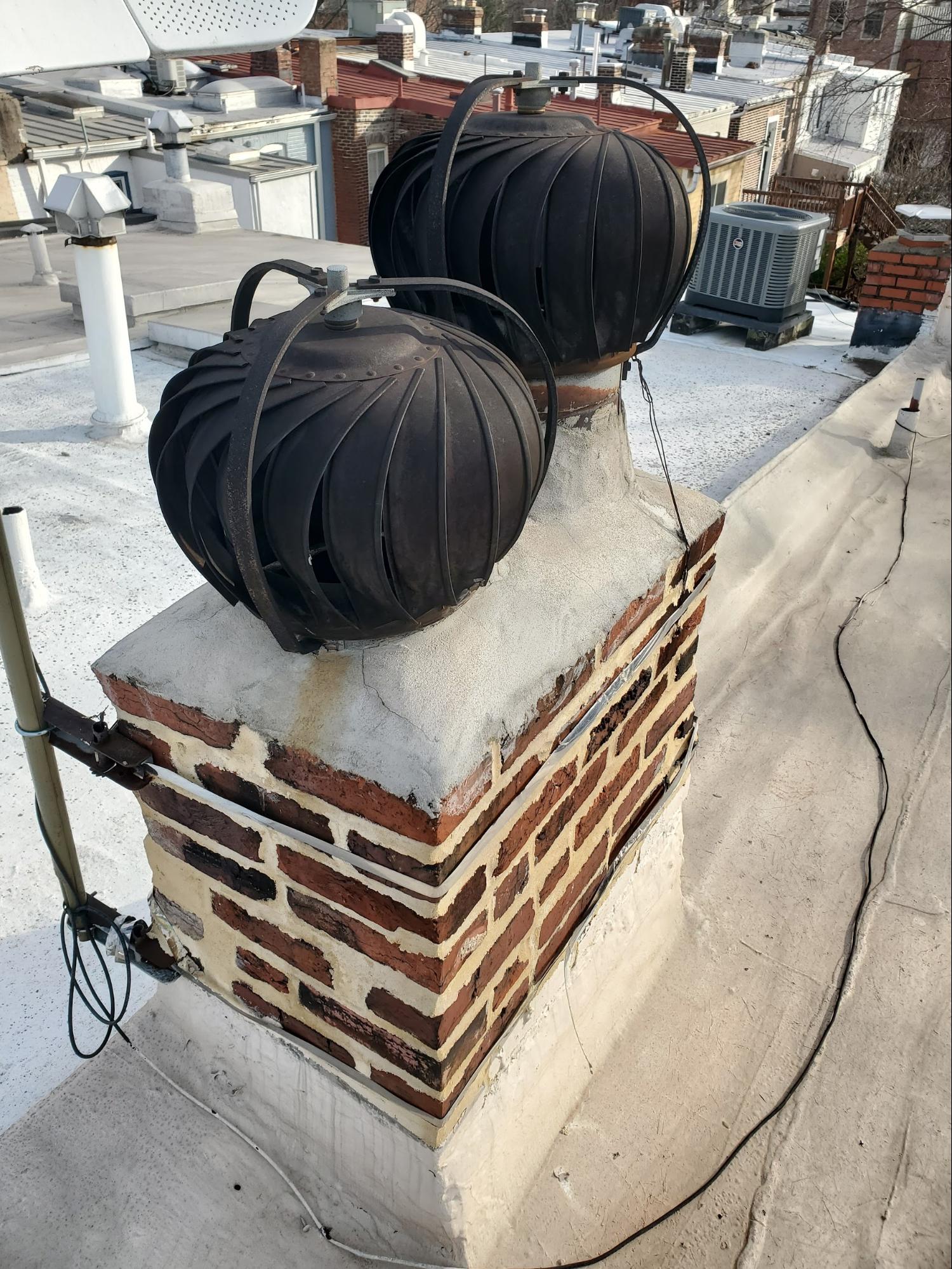
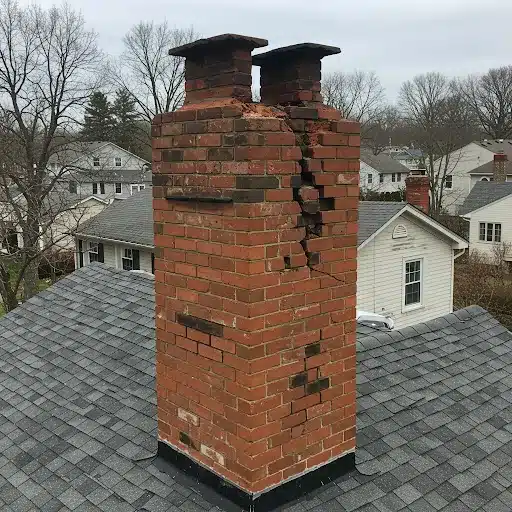
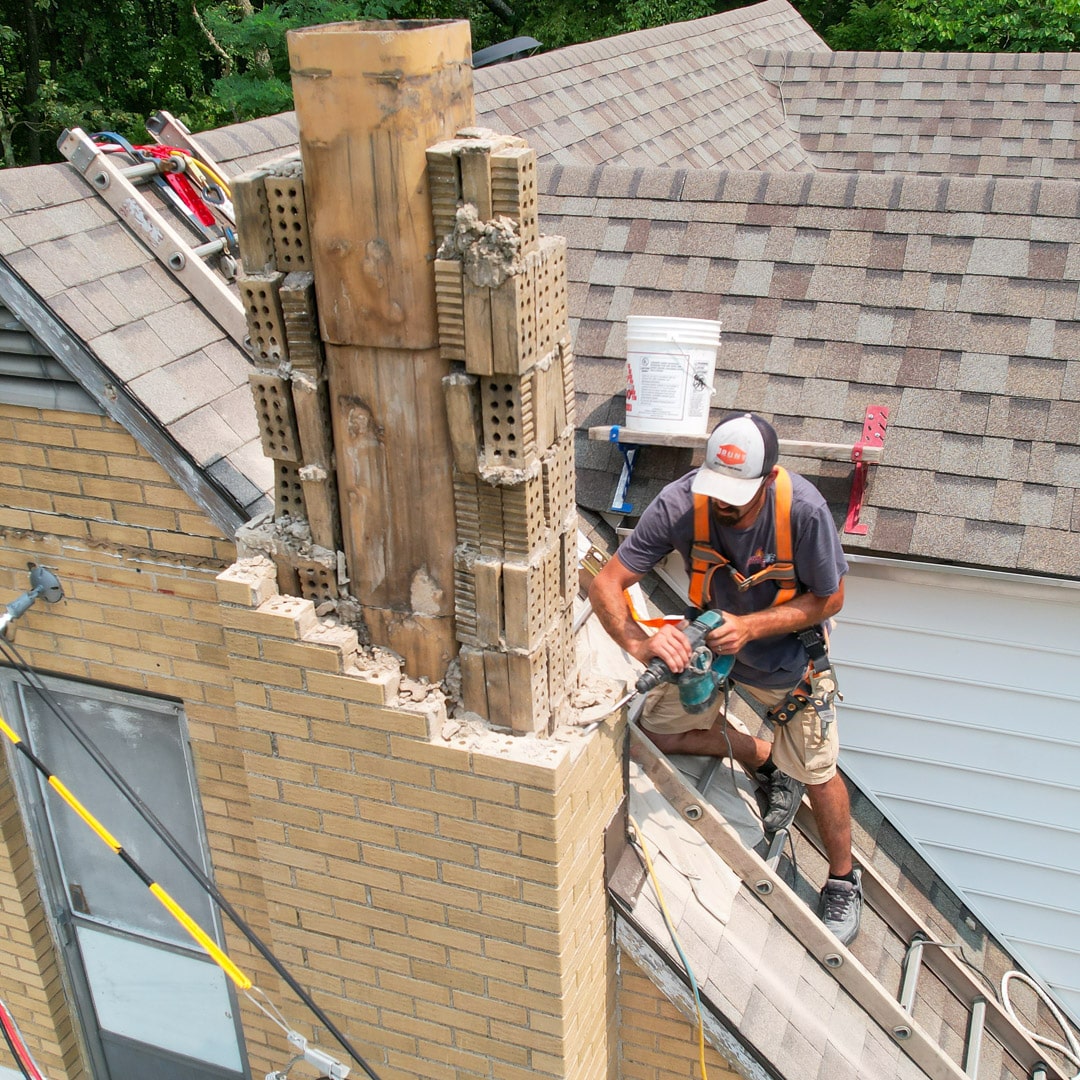
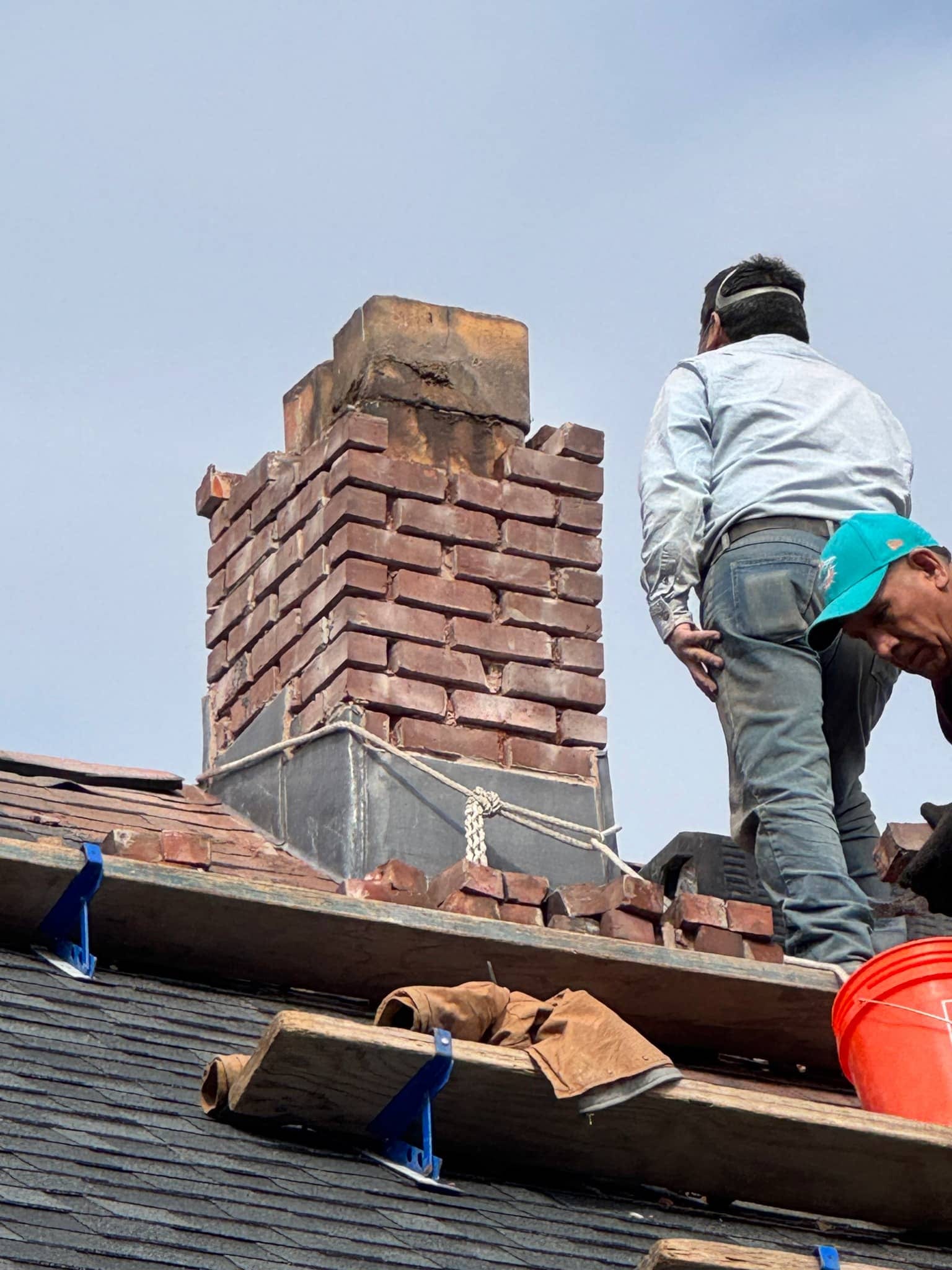
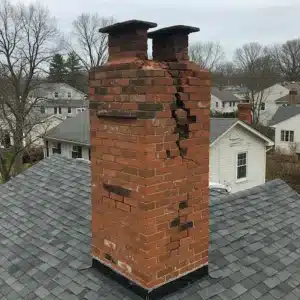
Before you call anyone or buy anything, just look. Go outside and check the top of your chimney. You’re looking for obvious stuff — a missing or rusted chimney cap, crumbling mortar, bricks that look like they’ve been through a rough few winters. These aren’t deal-breakers on their own, but they’re signs that something needs attention before you start using the fireplace regularly.
Then go inside and crouch down by the firebox. Shine a flashlight up and see what you can. You won’t be able to see everything, but you can catch big problems — a bird nest (it happens more than you’d think), chunks of debris, or heavy black buildup on the walls.

Get It Swept — This Part’s Not Optional
Here’s the thing about creosote: it doesn’t care how careful you are about burning dry wood. It builds up anyway. It’s a natural byproduct of burning wood, and it coats the inside of your flue over time. At low levels, it’s manageable. But if it’s been a couple of seasons since your last cleaning, it can build up into something that actually catches fire inside your chimney. That’s called a chimney fire, and it’s exactly as bad as it sounds.
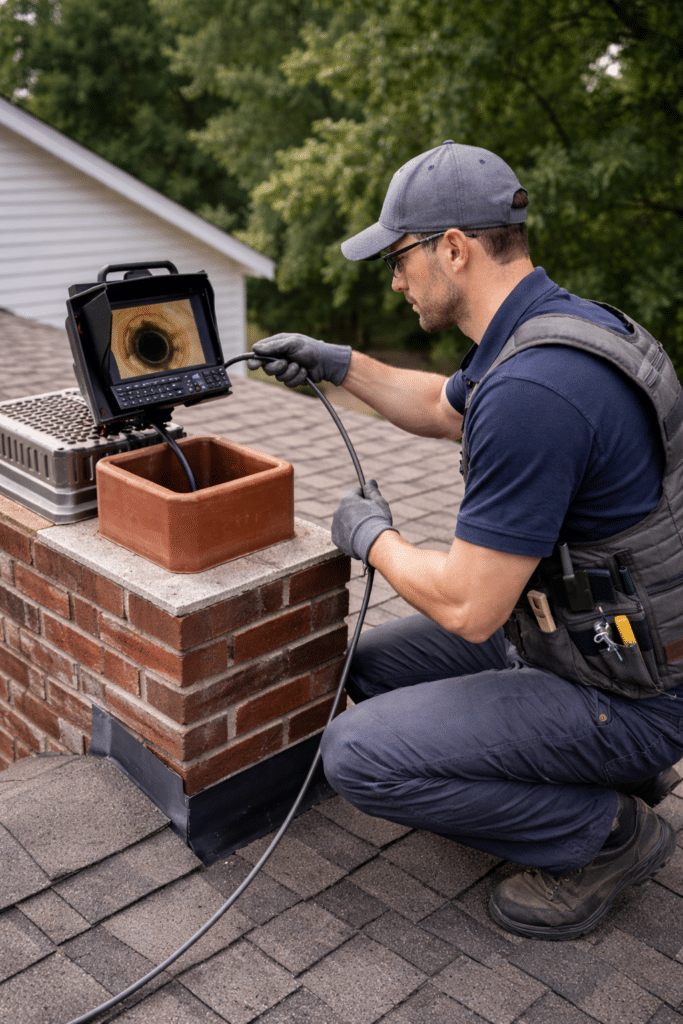
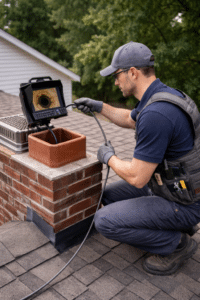
A certified chimney sweep can clean it out and inspect the flue at the same time. Most charge somewhere between $150 and $300 depending on your area and how much buildup they find. It’s worth every penny. Book early too — these folks get slammed once October hits.
Check the Damper
Your damper is that metal plate inside the chimney that you open when you’re using the fireplace and close when you’re not. It keeps cold drafts from pouring into your living room in January. Give it a few test opens and closes. It should move smoothly without requiring a lot of force. If it’s stiff, rusted, or won’t close all the way, that’s something to fix before the season starts. A damper that doesn’t seal properly is basically an open window to the outside.
Look at the Firebox and the Mortar
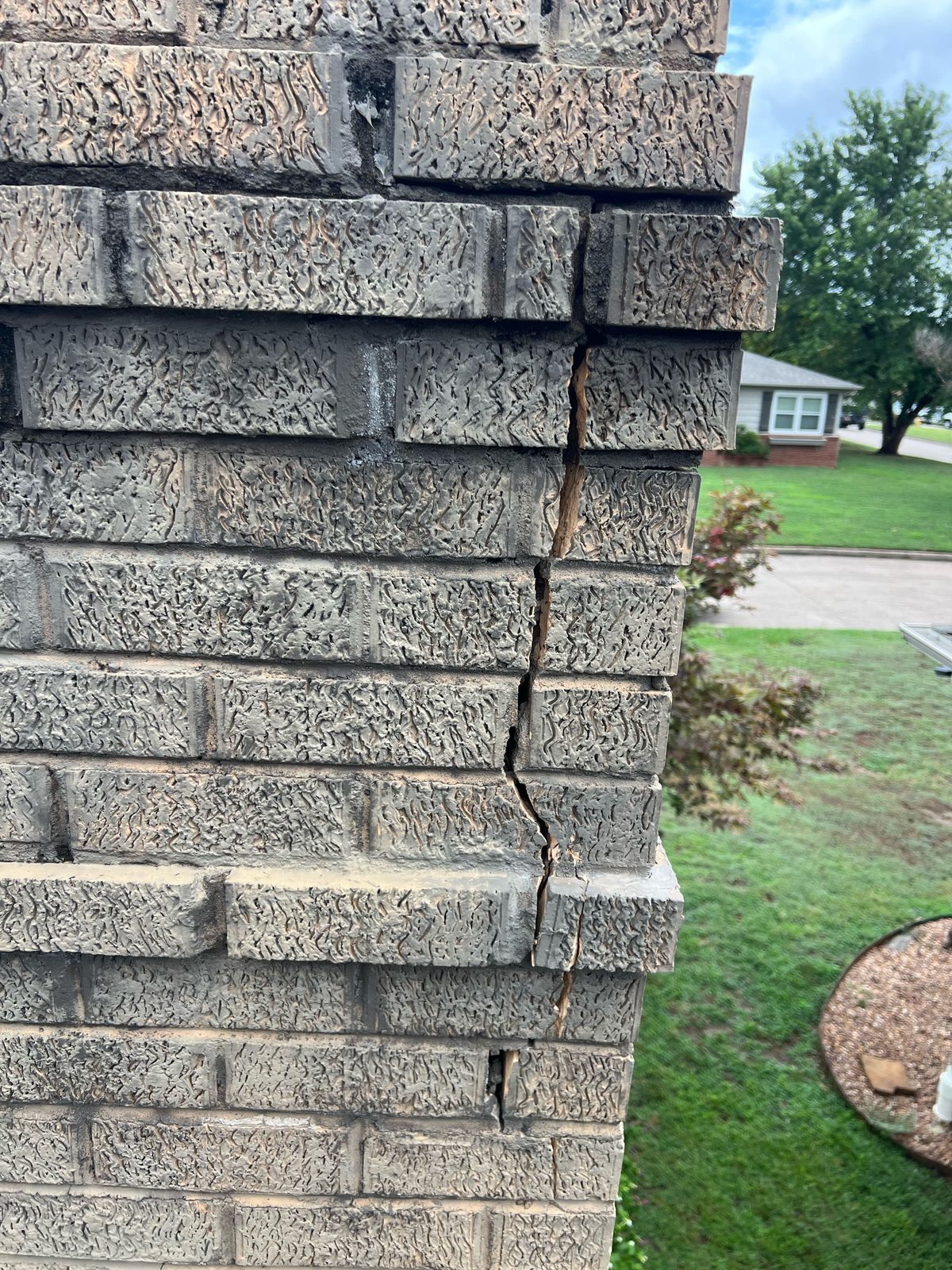
The firebox — that’s the actual chamber where the fire burns — takes a beating over the years. The mortar between the bricks can crack from the heat cycling. Run your fingers along the joints (when it’s cool and clean, obviously). If you feel chunks coming loose or see cracks wider than about a quarter inch, get a mason or chimney professional to look at it. Small cracks can be patched. Ignored cracks turn into bigger, more expensive problems.
Stock Good Wood Now, Not Later
Seasoned firewood — wood that’s been dried for at least six months to a year — burns hotter, cleaner, and produces way less creosote than fresh-cut wood. If you wait until November to buy it, you’ll either pay more or end up with wood that’s still too wet to burn well. Get it now, stack it somewhere with good airflow, and keep it covered on top but open on the sides so it can breathe.
One Last Thing
None of this has to feel overwhelming. Think of it less like a chore and more like getting your fireplace ready to actually be the thing everyone gathers around. A couple hours of prep in early fall means you won’t be scrambling when the first real cold snap hits.
Light that fire with confidence this year. You’ve earned it.