It’s easy to think of a chimney as a separate piece of your house, something that stands off to the side and only matters when you’re actually using the fireplace. But a chimney is connected to more of your home than most people realize, and when it’s damaged, that damage doesn’t always stay contained. Understanding how far reaching chimney problems can actually be helps explain why staying on top of repairs matters so much more than most homeowners expect.
Water Damage Can Spread Through Multiple Rooms
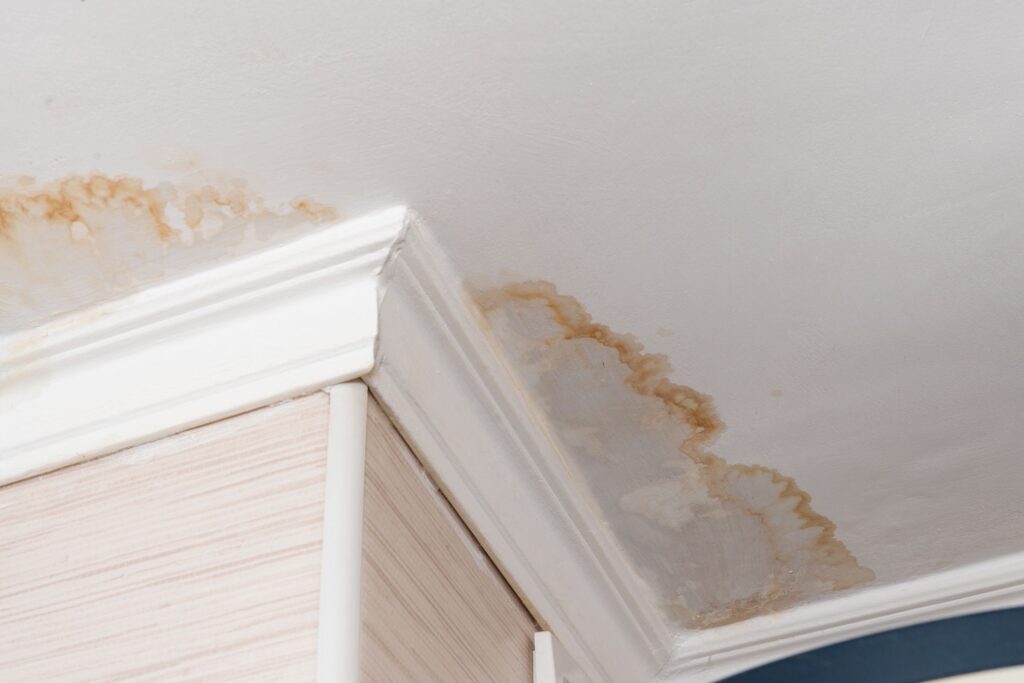
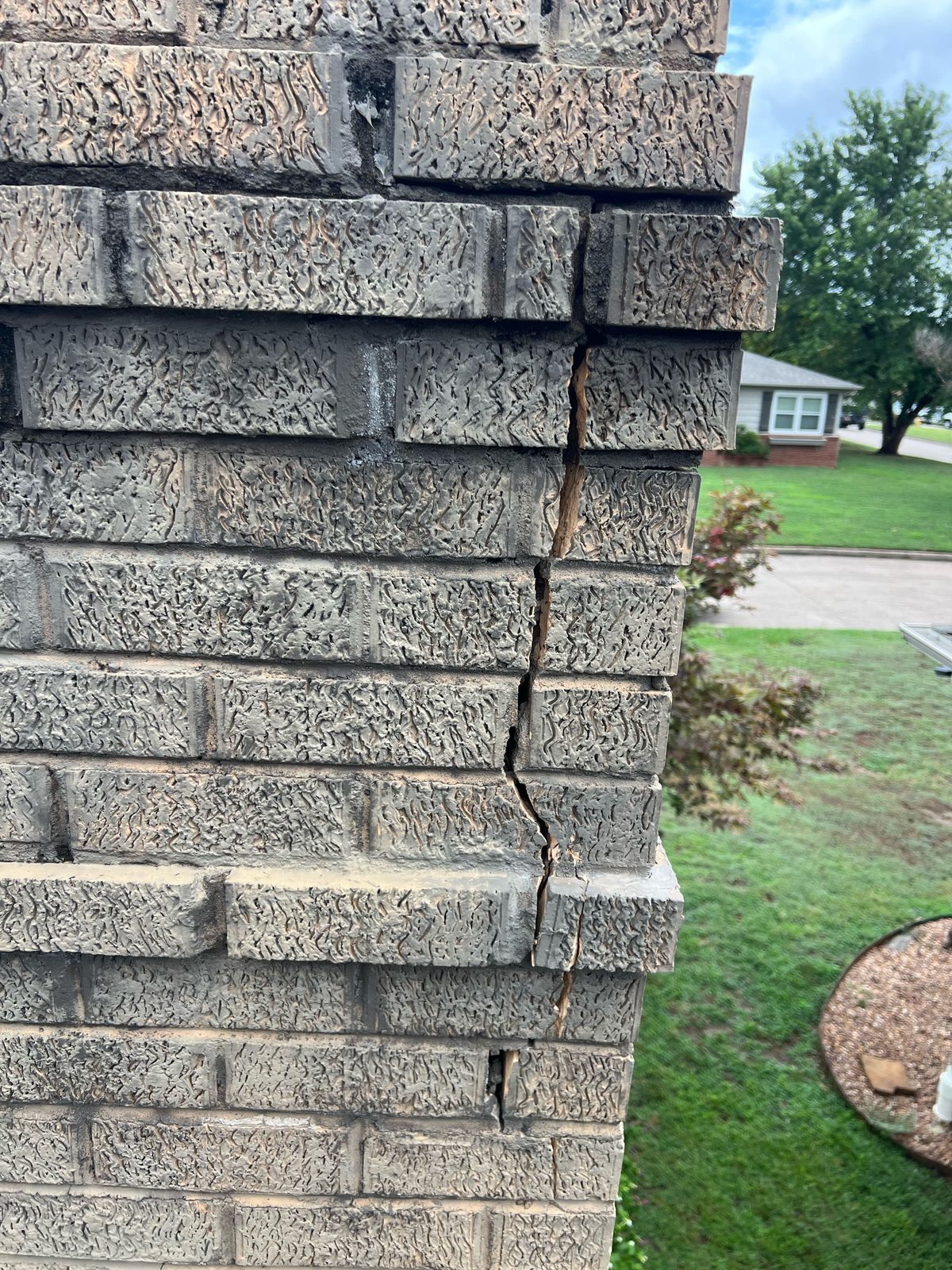
A chimney with cracked mortar, a damaged crown, or failing flashing creates an entry point for water, and once water finds its way in, it doesn’t stay put. It can travel down through the chimney structure and into the attic, along ceiling joists, and eventually show up as stains on ceilings or walls in rooms that aren’t anywhere near the fireplace itself. By the time you notice a stain indoors, the water has often already been causing damage for a while, sometimes affecting insulation, drywall, and even the framing of the house.
Structural Issues Can Affect the Surrounding Walls
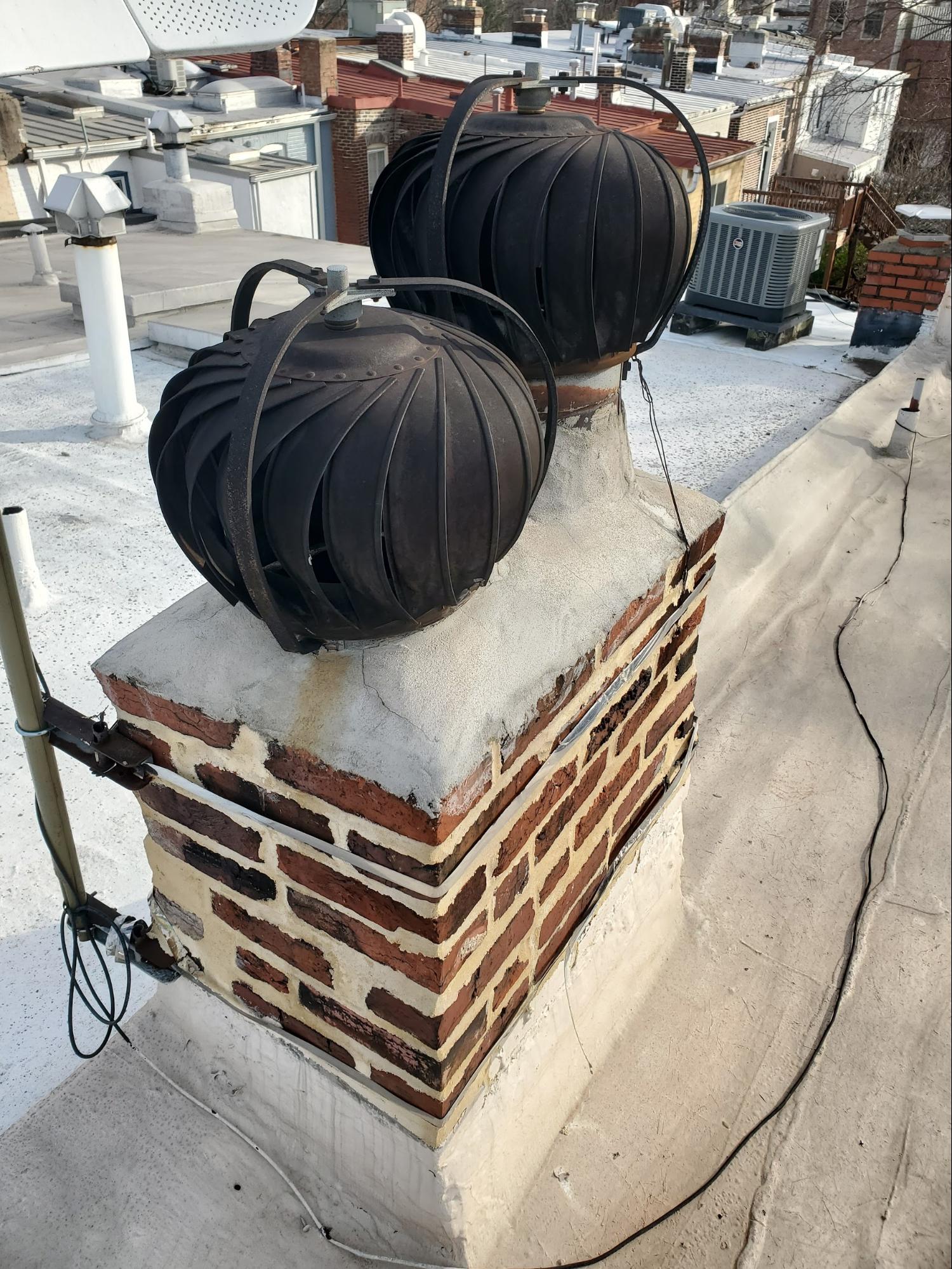
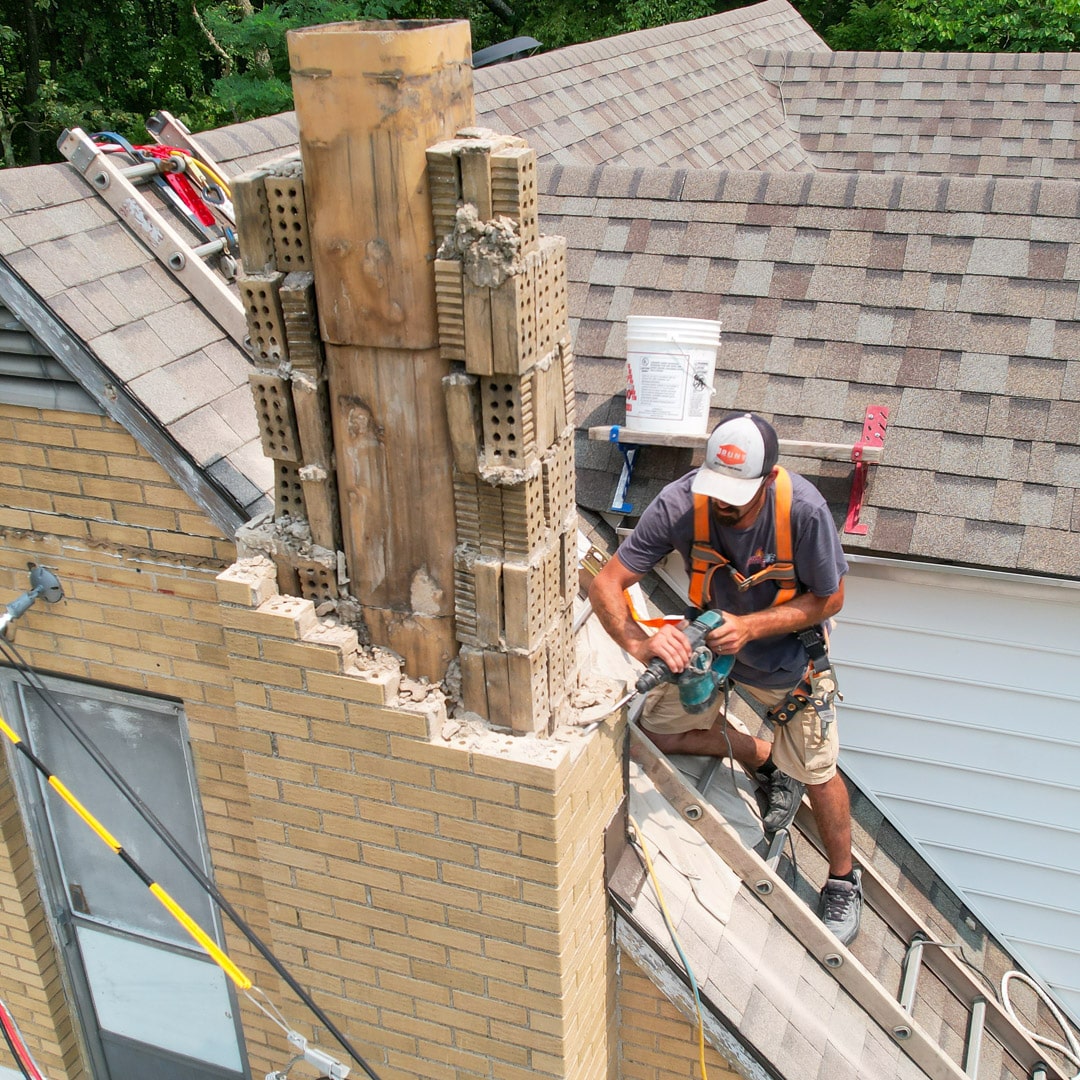
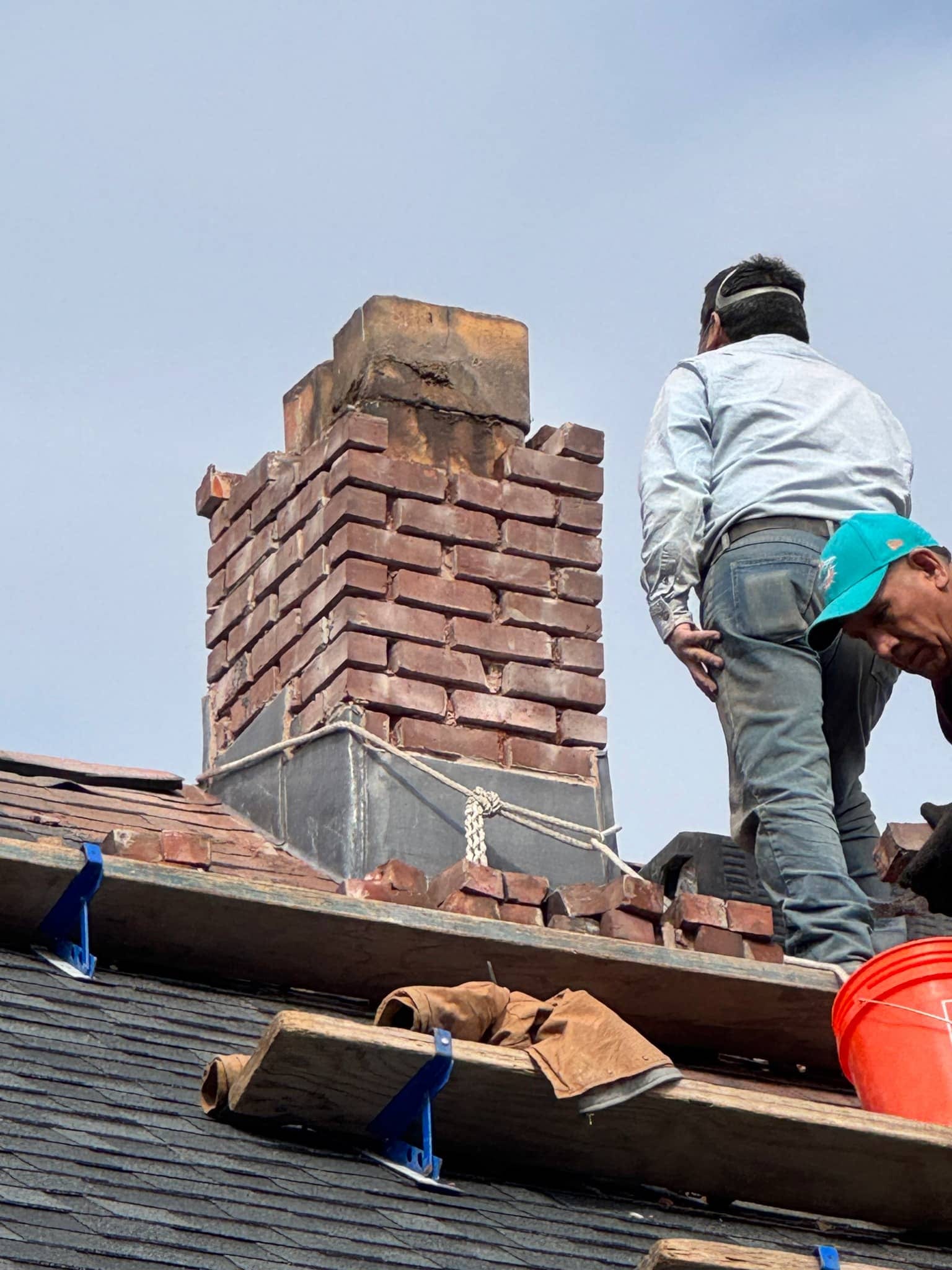
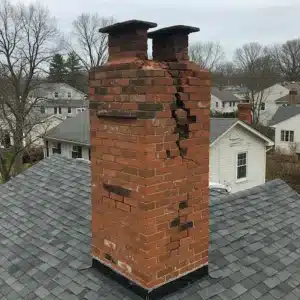
A chimney that’s deteriorating structurally, whether from crumbling mortar, spalling brick, or a chimney that’s beginning to lean, can put stress on the parts of the house it’s connected to. In more serious cases, a failing chimney can pull away from the house or affect the stability of nearby framing and roofing. This is especially relevant in homes where the chimney runs along an exterior wall or shares structural elements with the rest of the house.
Poor Air Quality Indoors
[IMAGE 2: carbon monoxide detector for indoor air safety]
One of the more serious ways a damaged chimney affects your home involves air quality. A chimney’s job includes safely venting combustion byproducts, including carbon monoxide, out of the home. When a flue is blocked, cracked, or otherwise compromised, those gases can end up venting back into the house instead of outside. Since carbon monoxide is odorless and colorless, this kind of problem can go unnoticed until it becomes dangerous, which is exactly why chimney damage should never be treated as a purely cosmetic issue.
Increased Risk of Fire
Damage to the flue liner, whether from age, heat exposure, or general deterioration, reduces the protective barrier between the fire and the surrounding structure of your home. A compromised liner allows heat to transfer more easily to nearby combustible materials, like wood framing, increasing the risk of a fire that starts inside the chimney but spreads into the walls or attic of the house. This is one of the more serious consequences of ignoring chimney damage, since it puts the entire structure at risk rather than just the fireplace itself.
Reduced Home Efficiency
A damaged chimney doesn’t just create safety concerns, it can also affect how efficiently your home heats. Cracks, gaps, and airflow issues can allow warm air to escape or cold air to enter in ways that make your heating system work harder than it should. Over time, this shows up as higher energy bills, even if the connection to the chimney isn’t immediately obvious to the homeowner dealing with the cost.
Pest Problems That Start in the Chimney
Cracks and gaps in a damaged chimney create easy entry points for birds, squirrels, and other small animals looking for shelter. Once inside, these pests don’t always stay contained to the chimney itself. Nesting materials, droppings, and even the animals themselves can make their way into attics and wall cavities, creating a secondary problem that started with a simple chimney crack.
Lower Home Value and Resale Complications
If chimney damage goes unaddressed long enough to cause secondary issues like water damage, structural concerns, or pest infestations, it can affect your home’s overall value. Buyers and inspectors often pay close attention to chimney condition, and visible damage or a history of related issues can lead to price negotiations or repair demands during a sale.
Why Early Attention Matters So Much
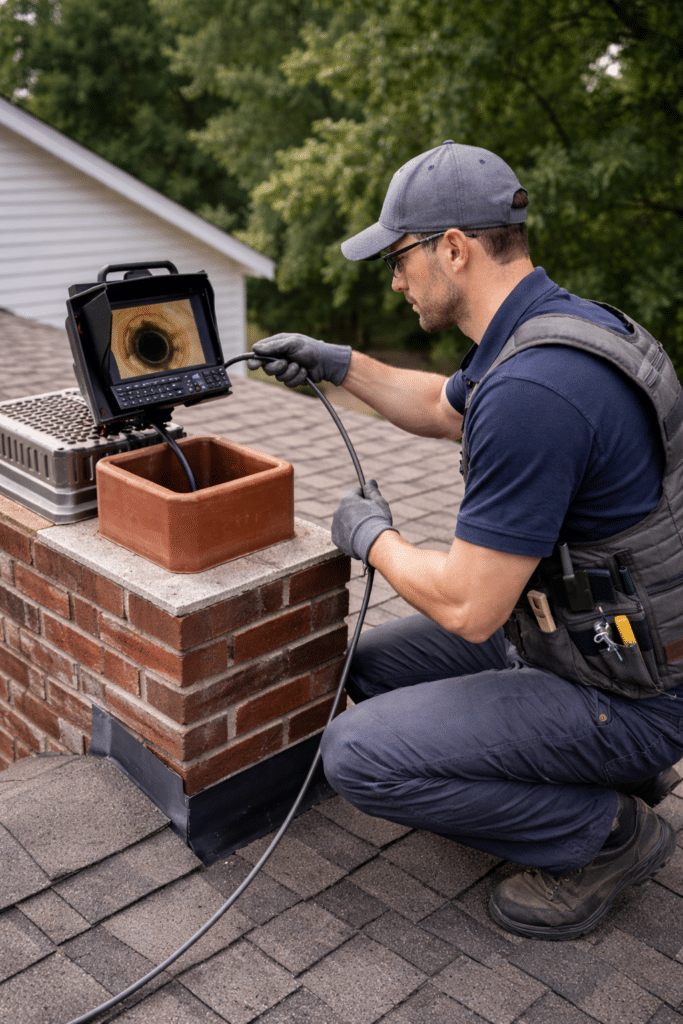
The far reaching nature of chimney damage is exactly why small issues shouldn’t be ignored. What starts as a minor crack or a bit of worn mortar has the potential to affect water damage, air quality, structural stability, energy efficiency, and even pest control throughout your home. Scheduling regular inspections and addressing repairs as soon as they’re identified is one of the most effective ways to protect not just your chimney, but your entire home.