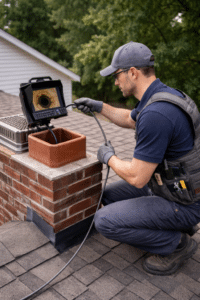
A chimney inspection costs a fraction of what most homeowners spend on other routine home maintenance each year. Yet it’s one of the easiest tasks to put off, mostly because the payoff isn’t obvious until something goes wrong. The truth is, an annual inspection is one of the highest return investments a homeowner can make. Skipping it doesn’t just risk safety, it risks your wallet in ways that can add up to thousands of dollars if problems are left to grow.
The Real Cost of a Chimney Fire
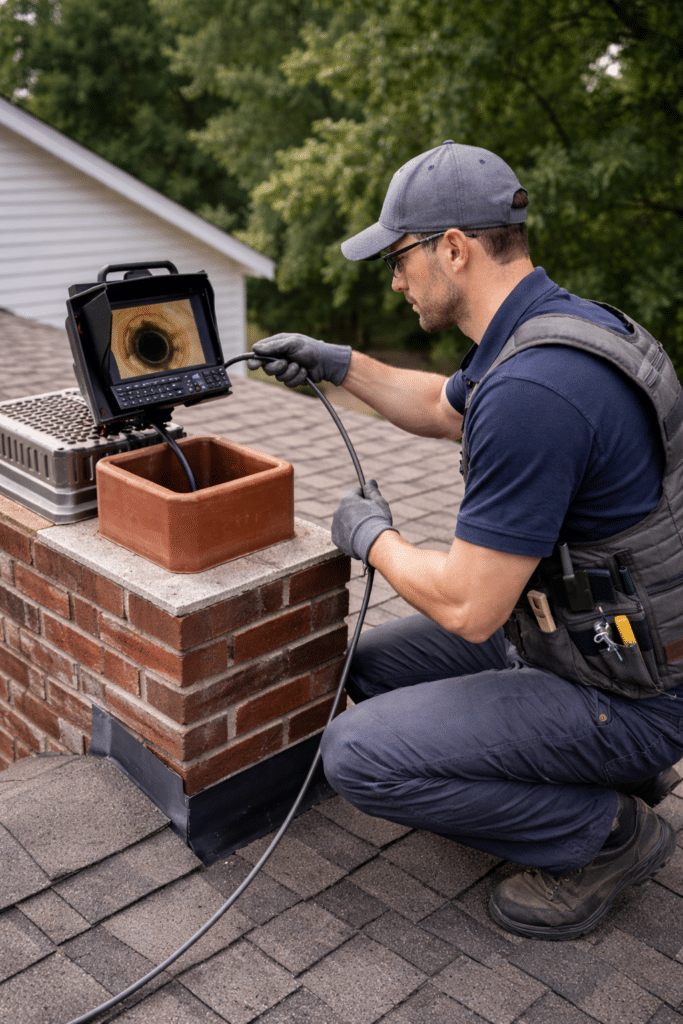
A chimney fire is one of the most expensive outcomes a homeowner can face, and it’s also one of the most preventable. Beyond the immediate damage to the flue and surrounding structure, a chimney fire can spread into the attic, roof, or walls of a home, leading to repair bills that stretch into the tens of thousands of dollars. Add in smoke damage, which often affects far more of the home than the fire itself, and the total cost climbs even higher. An annual inspection that removes creosote buildup and checks the condition of the flue liner is a small price to pay compared to what a chimney fire can cost.
Water Damage Adds Up Fast

Water is patient, and that’s exactly what makes it dangerous. A small crack in a chimney crown or a piece of loose flashing might not seem urgent, but over months and years, water finds its way in and slowly causes damage that spreads far beyond the chimney itself. It can rot wood framing, damage insulation, stain ceilings, and even lead to mold growth inside walls. By the time these signs are visible from inside the home, the repair bill often includes far more than just the chimney. An inspection catches these entry points early, when the fix might cost a few hundred dollars instead of several thousand.
Structural Repairs Get Expensive Quickly
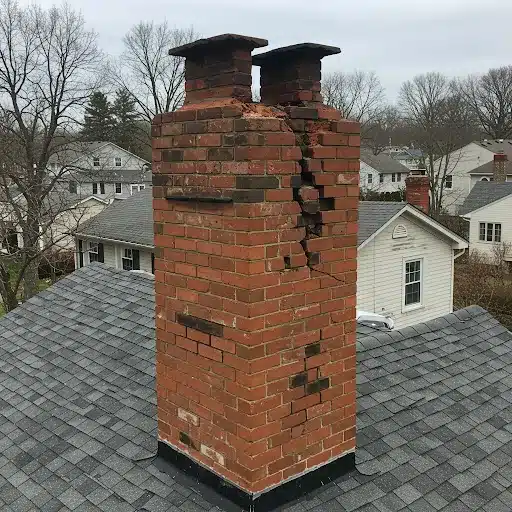
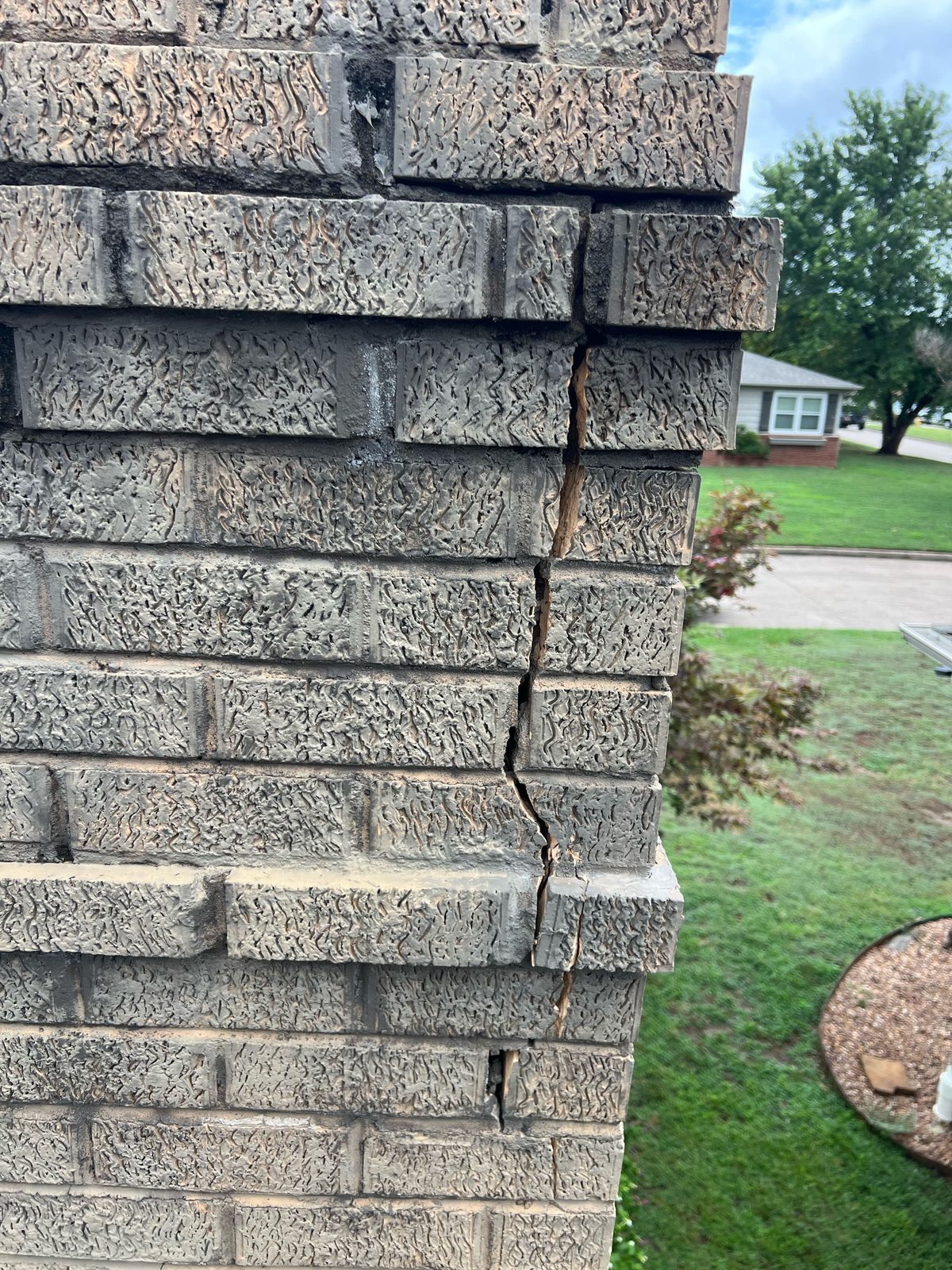
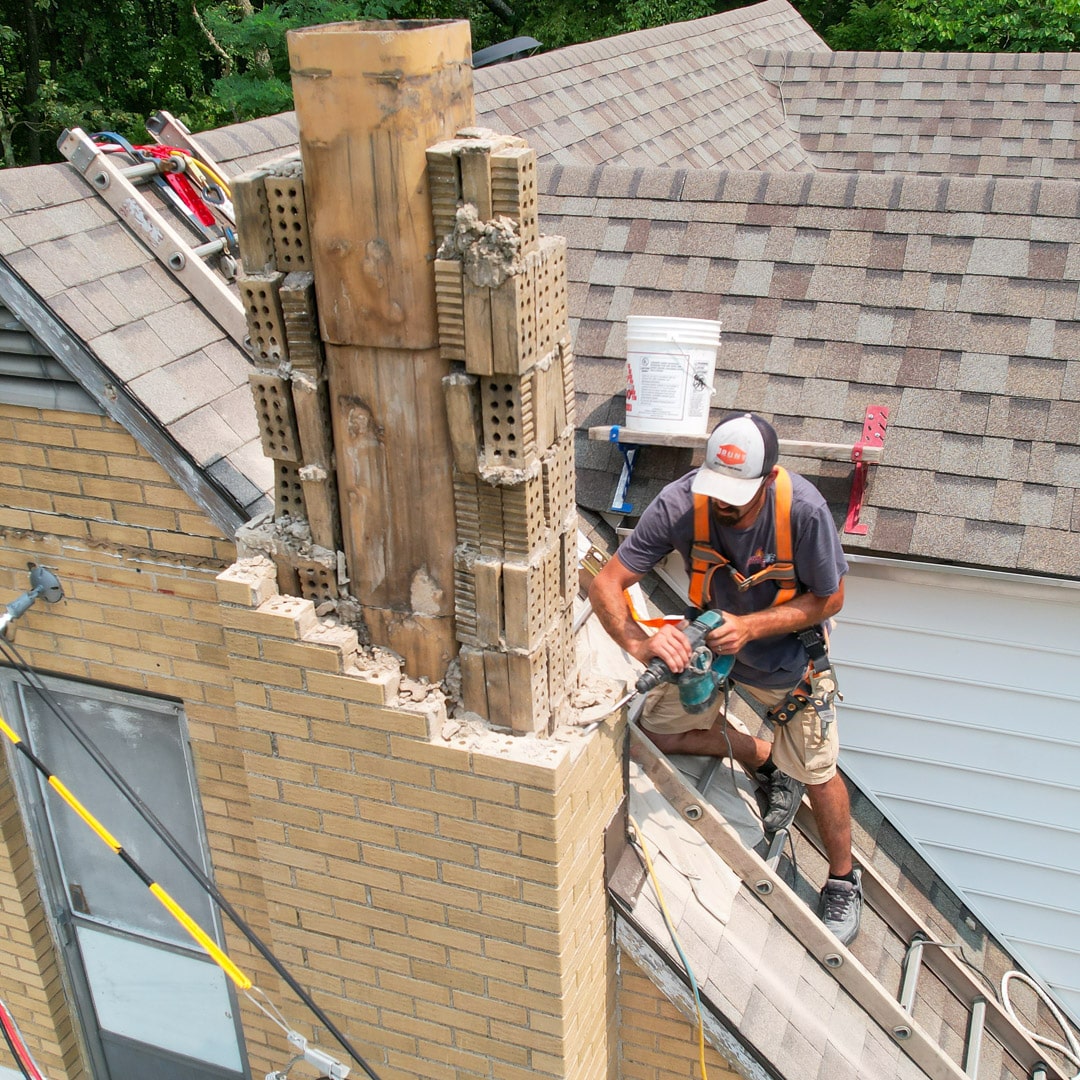
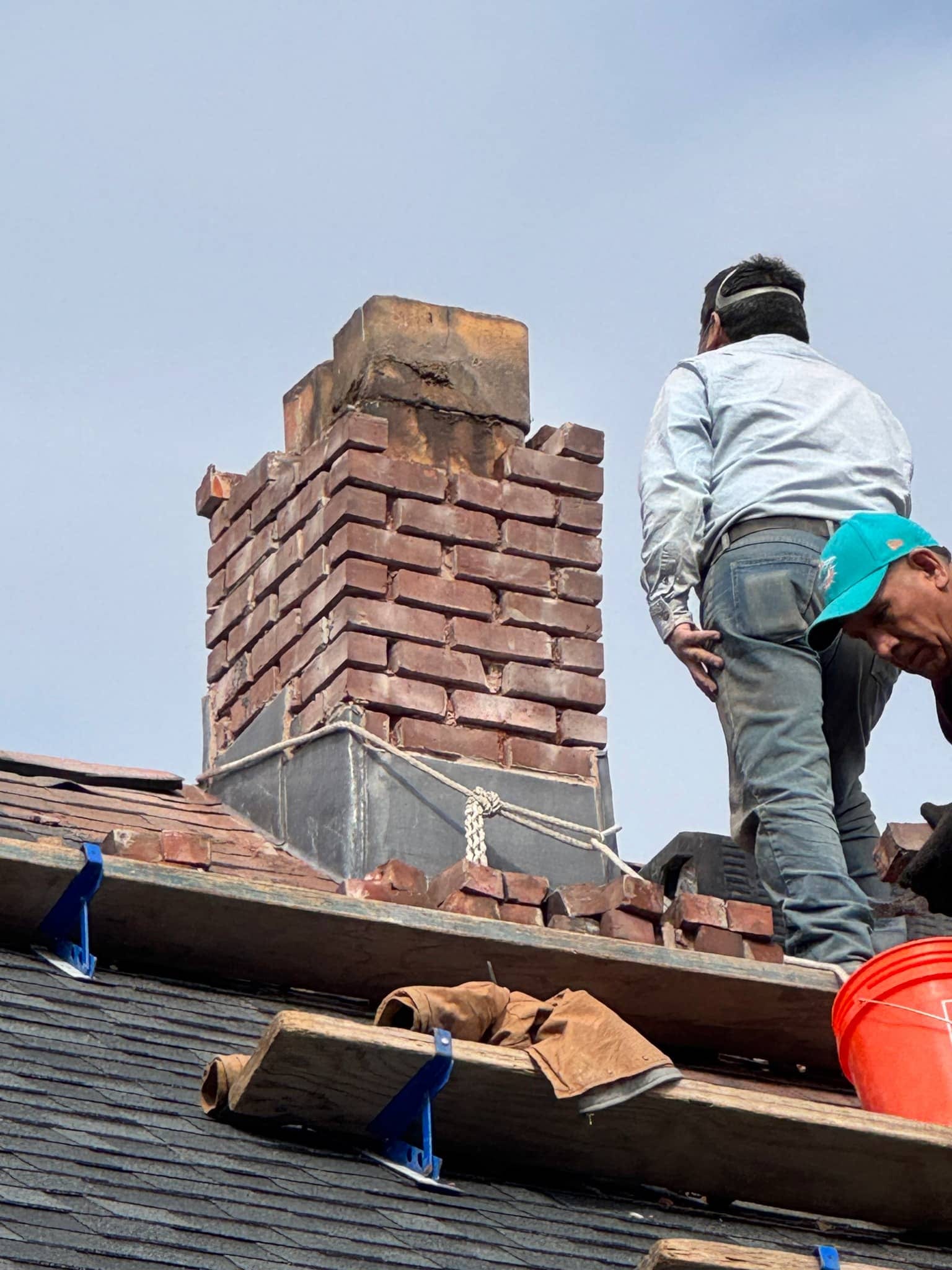
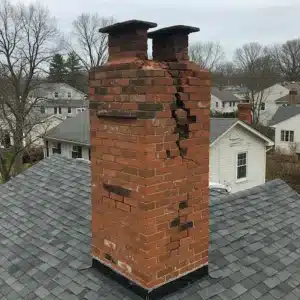
Ignoring small chimney issues doesn’t just risk safety, it risks the structural integrity of the chimney itself. A chimney that’s allowed to deteriorate without attention can eventually require a full rebuild, which is one of the most expensive chimney related expenses a homeowner can face. What might have started as a simple repointing job, costing a few hundred dollars, can turn into a project costing thousands once cracks spread and moisture damage compounds over multiple seasons.
Emergency Service Costs More Than Planned Maintenance
When a chimney problem becomes urgent, whether it’s a blockage causing smoke to back up into the home or visible structural failure, homeowners often need emergency service. Emergency repairs typically come with higher rates, rushed scheduling, and sometimes temporary fixes that need to be redone properly later. Scheduling a yearly inspection dramatically lowers the odds of ever needing an emergency call, since most serious issues show warning signs well before they become urgent.
Protecting Your Home’s Value
If you ever decide to sell your home, an undocumented chimney with unknown issues can become a sticking point during negotiations. Buyers often request their own inspections, and unresolved chimney problems can lead to price reductions or repair demands that come directly out of your final sale price. Having a consistent record of annual inspections gives buyers confidence and can help protect the value of your home when it’s time to sell.
Efficiency Savings Over Time
A well maintained chimney also affects your monthly energy costs. Blockages and buildup restrict airflow, forcing your fireplace or heating appliance to work harder for the same amount of warmth. Over the course of a full heating season, that inefficiency adds up on your energy bill. Keeping your chimney clean and properly maintained helps your system run the way it was designed to, which quietly saves you money every time you use it.
A Small Yearly Cost With a Big Payoff
When you add up the potential costs of a chimney fire, water damage, structural repairs, emergency service fees, and lost home value, it becomes clear just how much an annual inspection can save. It’s a small, predictable expense that protects against some of the largest and most stressful repair bills a homeowner can face. Treating it as a yearly priority rather than an afterthought is one of the smartest financial decisions you can make for your home.