Philadelphia is a city full of brick, from historic rowhomes in Society Hill to twins scattered across the Northeast and everything in between. With that much masonry comes a lot of chimneys that eventually need some kind of attention. Two terms that come up often in these conversations are tuckpointing and rebuilding, and knowing the difference between them can save you a significant amount of money and help you avoid paying for more work than your chimney actually needs.
What Tuckpointing Actually Means
Tuckpointing is the process of removing damaged or crumbling mortar from between the bricks and replacing it with fresh mortar. It’s a targeted repair that addresses the joints holding your chimney together without touching the bricks themselves, assuming those bricks are still in good shape. Tuckpointing is one of the more affordable and less invasive chimney repairs, and it’s often all that’s needed when a chimney’s mortar has simply worn down over time from age and weather exposure.
What Rebuilding Involves

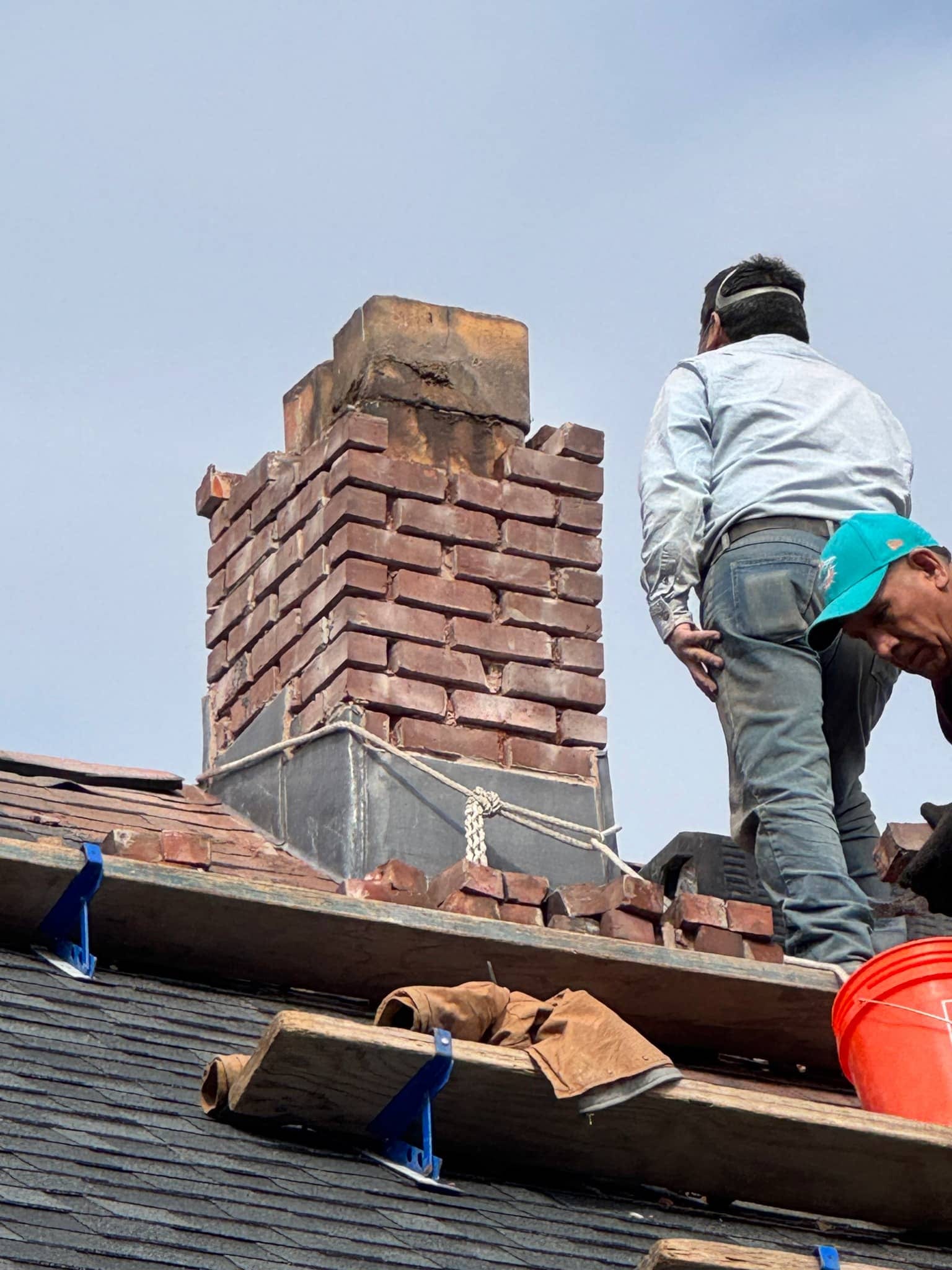
Rebuilding is a much bigger undertaking. Instead of just replacing mortar, a rebuild involves partially or fully dismantling the chimney and reconstructing it with new materials. This is typically necessary when the damage goes beyond the mortar joints and starts affecting the structural integrity of the bricks and the chimney as a whole. Rebuilds are more expensive and take longer, but they’re sometimes the only real option when a chimney has deteriorated too far to be saved through smaller repairs.
Signs Your Chimney Likely Needs Tuckpointing
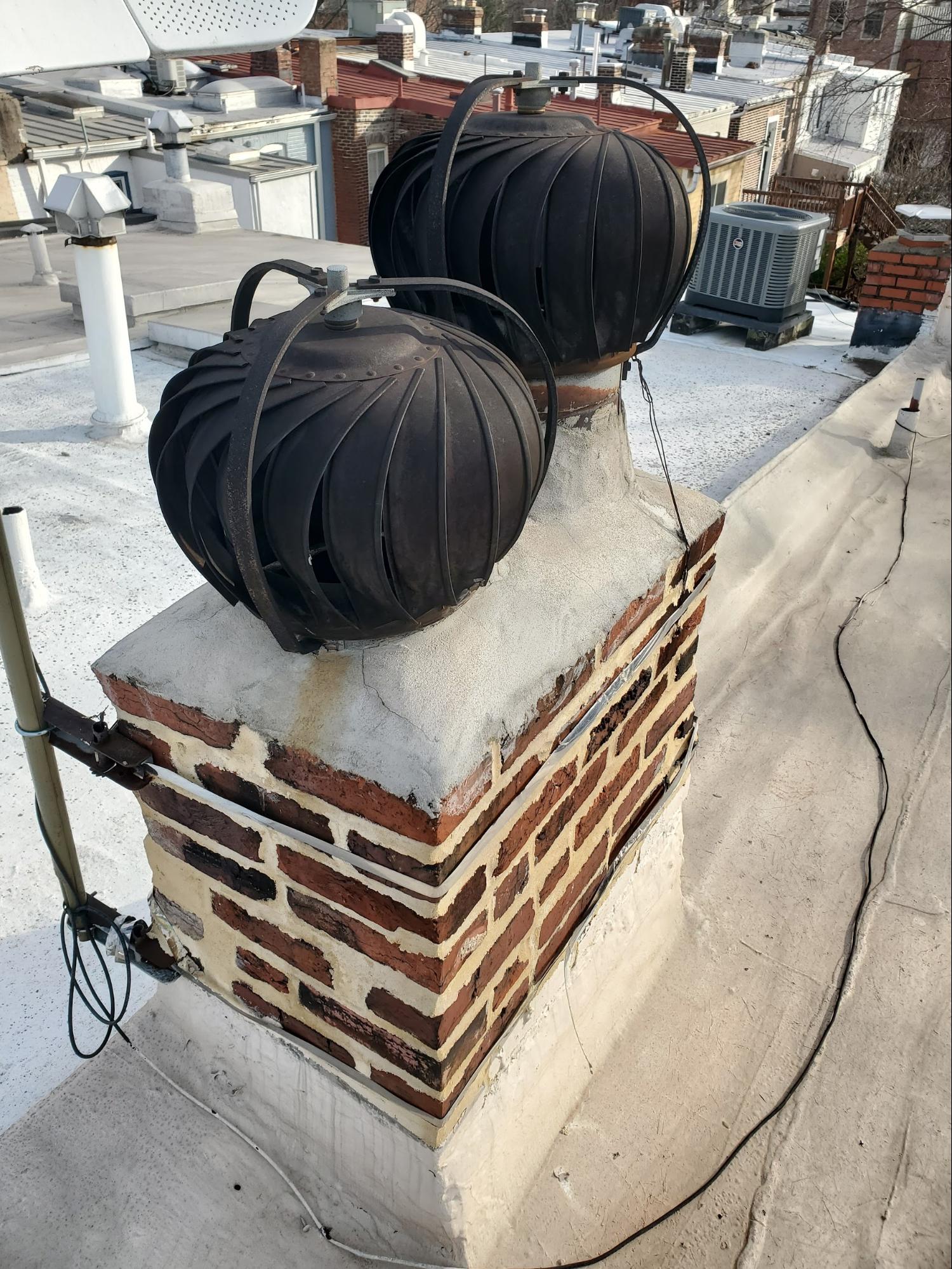
If your chimney has isolated areas of crumbling or missing mortar, but the bricks themselves are still solid and structurally sound, tuckpointing is usually the right call. Other signs pointing toward tuckpointing include minor gaps between bricks, a chimney that hasn’t been repointed in the last twenty or so years, and small water stains that show up only occasionally rather than consistently. In these cases, addressing the mortar alone typically solves the problem without needing anything more extensive.
Signs Your Chimney Likely Needs Rebuilding
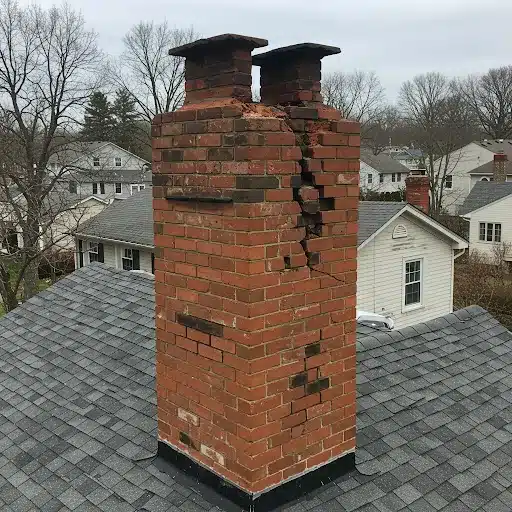
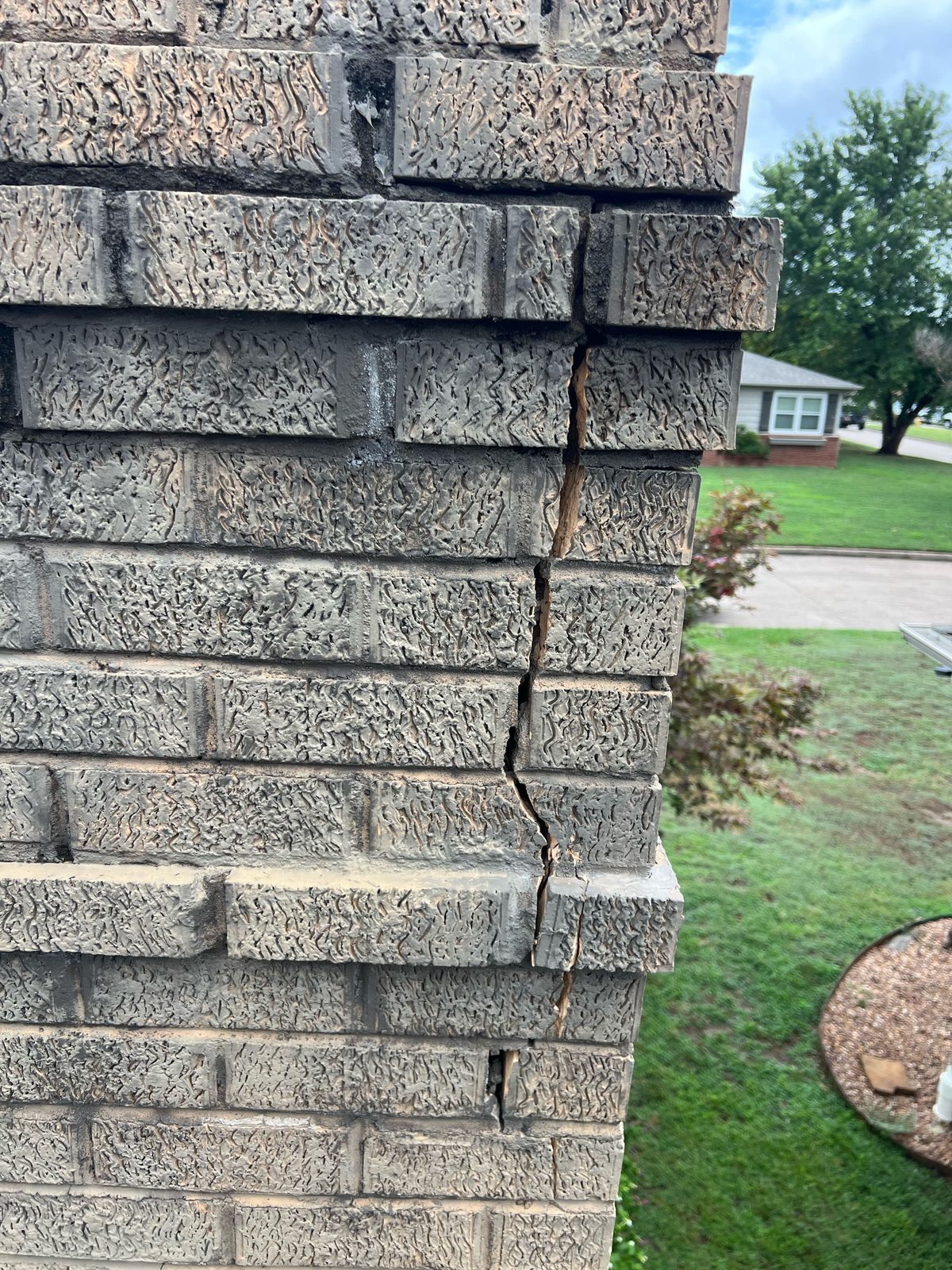
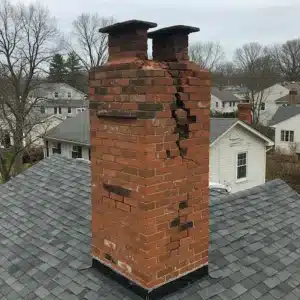
Rebuilding usually becomes necessary when damage has spread widely across the structure rather than staying contained to a few joints. A chimney that’s visibly leaning, bulging, or separating from the house is showing signs of structural failure that tuckpointing alone won’t fix. Extensive spalling across most of the bricks, crumbling mortar throughout the entire height of the chimney, or a flue liner that’s failed in multiple places are also strong indicators that a full rebuild is the safer long term solution.
Why Philadelphia’s Older Housing Stock Makes This Decision Tricky
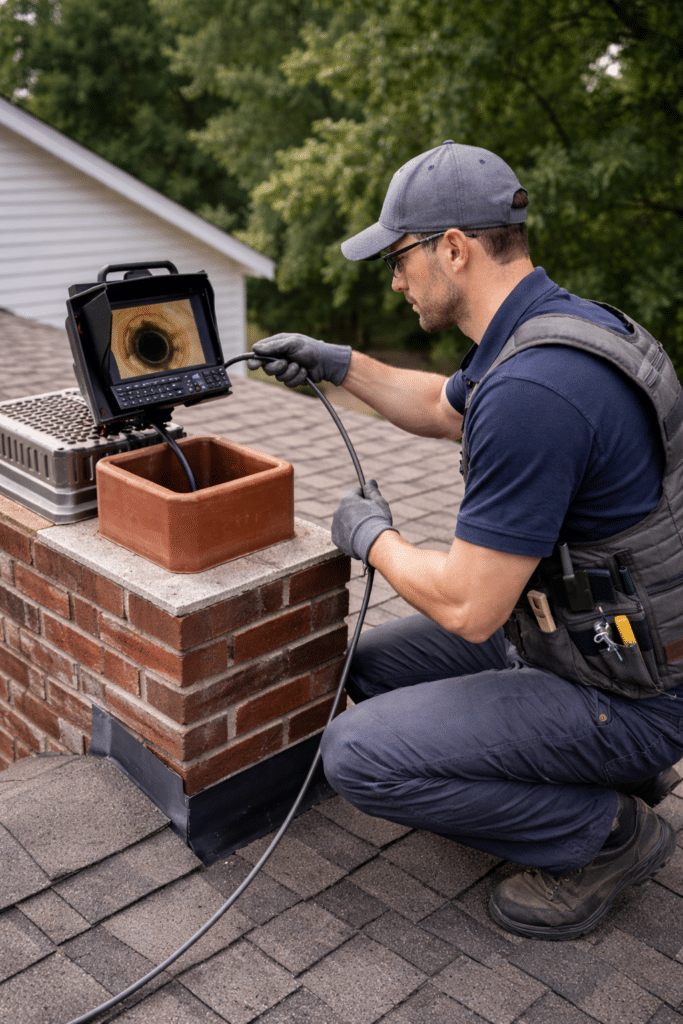
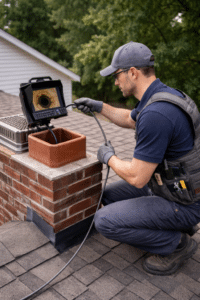
Because so many chimneys throughout Philadelphia were built decades ago, sometimes over a century ago, it’s not always easy to judge the right approach just by looking at the outside. A chimney might look rough on the surface but still be structurally solid, in which case tuckpointing could restore it just fine. On the other hand, a chimney might look reasonably intact while hiding serious internal deterioration that only shows up through a thorough inspection. This is exactly why getting a professional assessment matters so much before committing to either approach.
Comparing the Costs
Tuckpointing is almost always the more budget friendly option, often costing a few hundred to a couple thousand dollars depending on how much of the chimney needs attention. A full rebuild is a much bigger investment, frequently running into the thousands and sometimes tens of thousands depending on the chimney’s height, materials, and accessibility. This cost gap is exactly why catching mortar problems early through regular inspections matters so much for Philadelphia homeowners, since it keeps a tuckpointing job from turning into a full rebuild down the line.
Getting the Right Recommendation
The best way to know which option your chimney actually needs is to have a qualified local professional evaluate it directly. They can determine whether the damage is limited to the mortar or has spread into the bricks and overall structure, and they can walk you through what each option would involve. If a rebuild is recommended and it feels more extensive than expected, a second opinion is always a reasonable step for a decision this significant.
Staying Ahead of the Problem
Whether your chimney needs tuckpointing or a full rebuild often comes down to how early the issue was caught. Philadelphia’s mix of older masonry and tough seasonal weather means chimney maintenance isn’t something to put off. Scheduling regular inspections gives you the best chance of catching problems while a simple tuckpointing job is still enough, saving you both money and the hassle of a much larger project later on.