Repointing is one of those terms that gets thrown around by chimney professionals, but a lot of homeowners aren’t quite sure what it means or when it’s actually necessary. In simple terms, repointing is the process of removing old, damaged mortar between the bricks and replacing it with fresh mortar. It’s a normal part of chimney maintenance, especially for older masonry, but knowing when your chimney actually needs it can save you from bigger problems down the road. Here are seven signs that suggest repointing should be on your radar.
Crumbling or Missing Mortar Joints

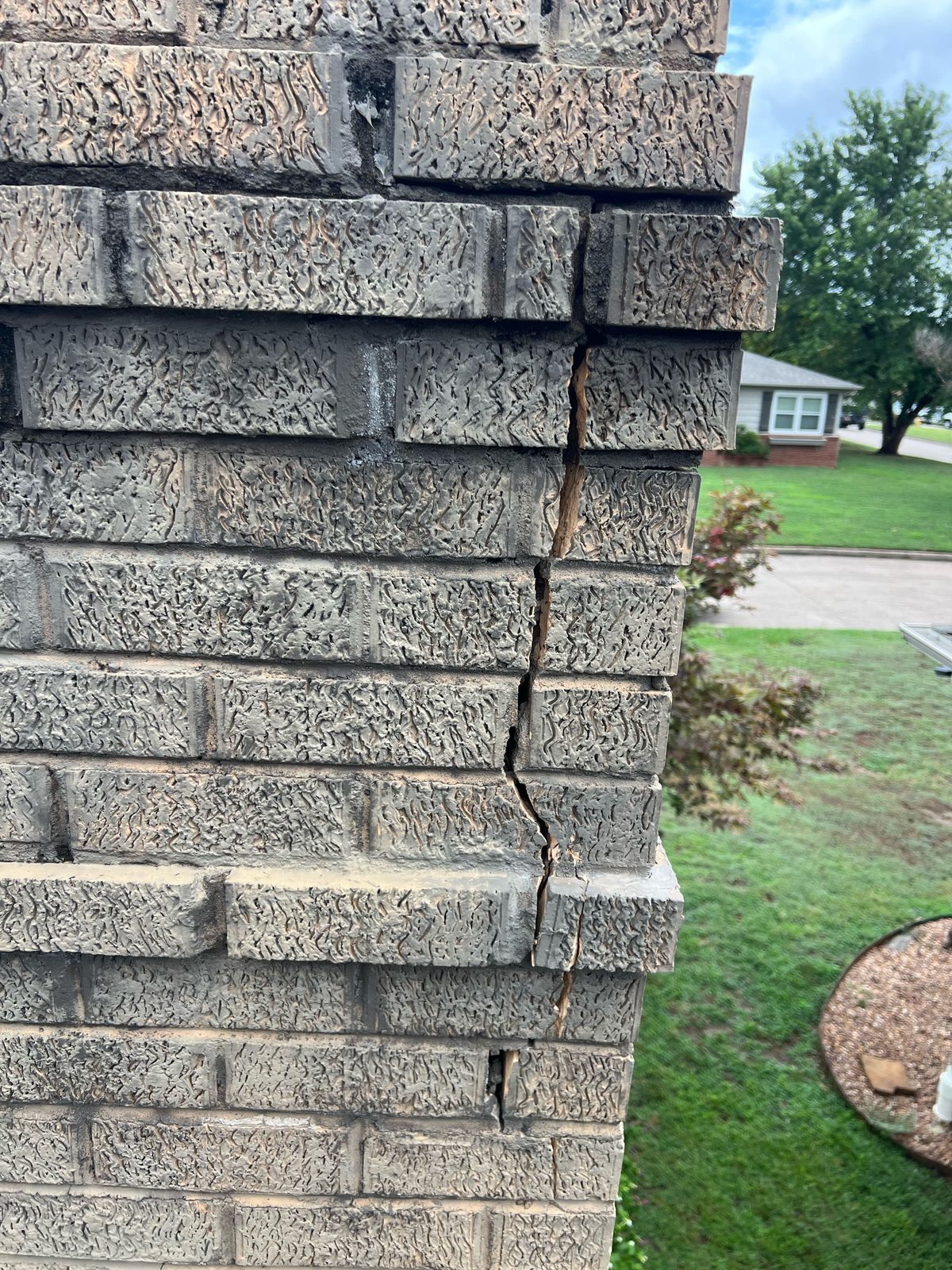
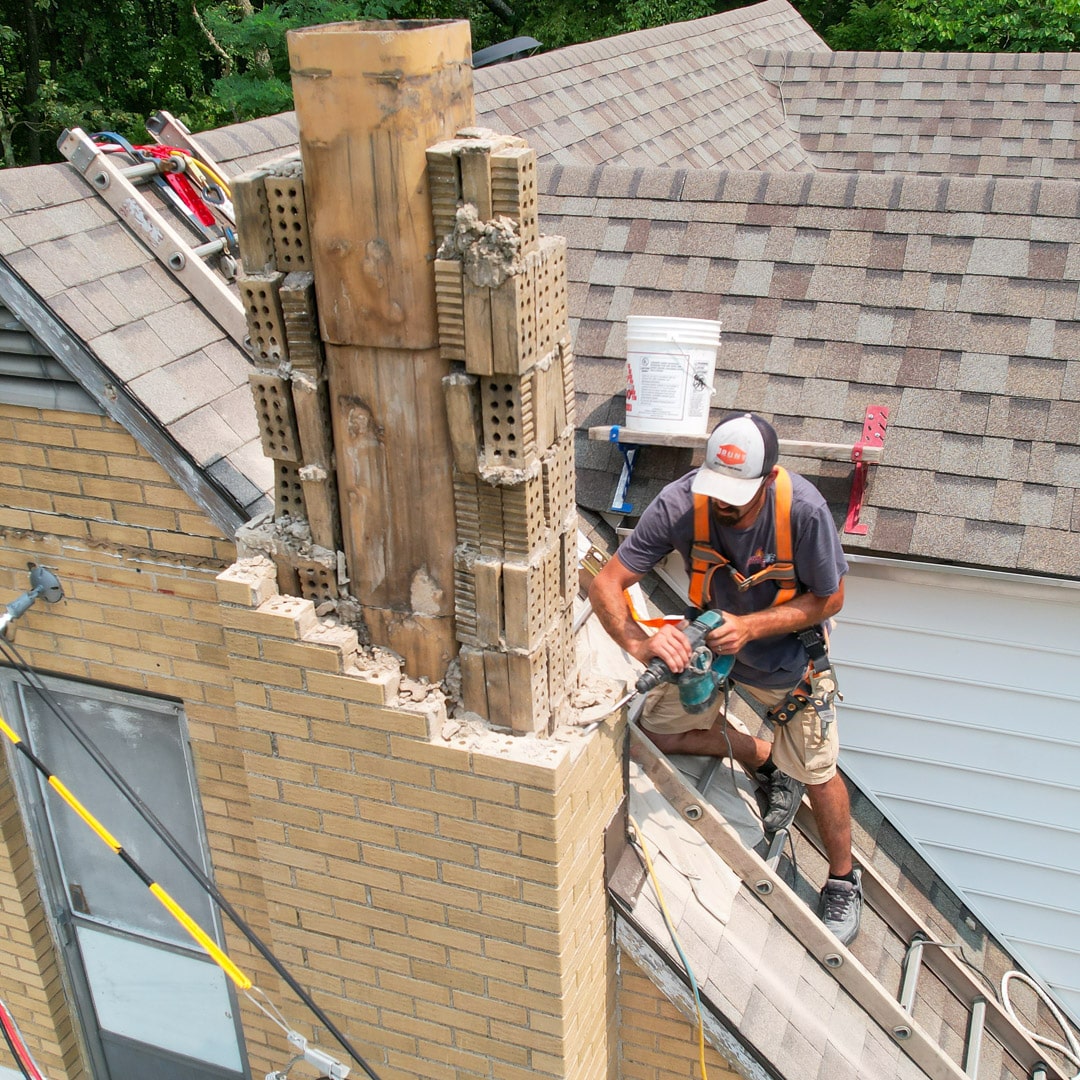
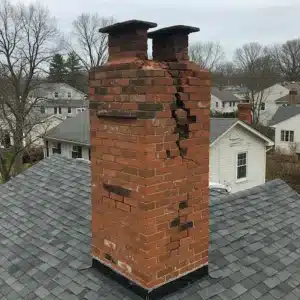
The most obvious sign that your chimney needs repointing is mortar that’s visibly crumbling, cracked, or missing entirely between the bricks. If you can see gaps or if mortar is falling away when touched, that’s a clear indication the joints have deteriorated and moisture is likely already getting into places it shouldn’t be.
Mortar That’s Soft or Powdery to the Touch
Sometimes mortar doesn’t look obviously damaged from a distance, but if you run your hand along it and it feels soft, chalky, or comes off as powder, that’s a sign the mortar has broken down internally. This kind of deterioration often happens gradually from repeated exposure to moisture and freeze thaw cycles, and it usually means repointing is needed even if the joints still look intact from the ground.
Visible Gaps Between Bricks
Take a look at your chimney on a clear day and check for noticeable gaps or spaces between individual bricks. Over time, as mortar wears away, these gaps become more pronounced. Not only does this affect the appearance of your chimney, it also creates direct pathways for water to enter the structure, which accelerates damage to both the mortar and the bricks themselves.
Water Stains on Interior Walls or Ceilings Near the Chimney
If you’re noticing water stains on walls or ceilings near where your chimney runs through the house, deteriorated mortar joints are a common culprit. Once mortar fails, water can travel through the chimney structure and eventually make its way into the interior of your home. These stains are often one of the first indoor signs that repointing work is overdue, even before the exterior damage becomes obvious.
Spalling or Flaking Brick Surfaces
Spalling happens when moisture gets trapped inside the brick and then expands during freezing temperatures, causing the surface to flake, crack, or break away entirely. While spalling is technically a brick issue rather than a mortar issue, it’s very often caused by failing mortar joints that allowed water to get in around and beneath the bricks in the first place. Addressing the mortar with repointing helps stop this cycle from continuing.
A Chimney That Looks Uneven or Slightly Leaning
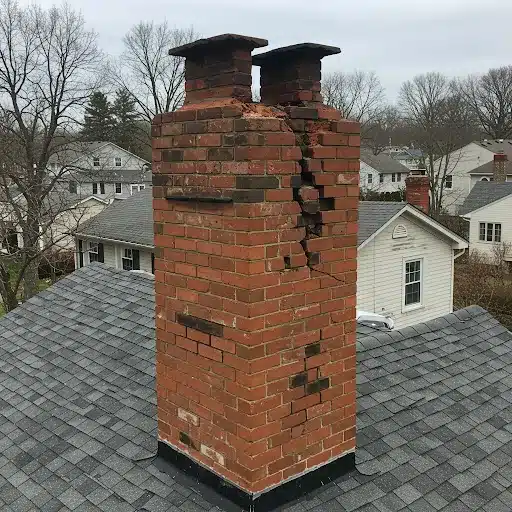
Deteriorated mortar doesn’t just affect appearance, it affects structural stability. If your chimney appears to be leaning, bulging, or shifting even slightly compared to how it used to look, failing mortar joints are often part of the underlying cause. This is a sign that repointing should happen sooner rather than later, since continued deterioration can lead to more serious structural concerns.
It’s Been More Than 20 to 25 Years Since the Last Repointing
Even without any obvious visible damage, mortar simply doesn’t last forever. Most masonry professionals agree that mortar joints typically need attention somewhere between 20 and 25 years, depending on the climate and the quality of the original work. If it’s been a long time since your chimney was last repointed and you’re not sure of its condition, it’s worth having a professional take a look, even if nothing seems obviously wrong yet.
Why Repointing Matters
Ignoring these warning signs doesn’t make the problem go away, it just gives water more time to work its way deeper into the chimney structure. What starts as a simple repointing job, often one of the more affordable chimney repairs available, can turn into a much larger and more expensive project if left unaddressed. Catching these signs early and scheduling repointing when it’s needed helps protect your chimney’s structural integrity and keeps your home safe from the kind of water damage that can spread far beyond the chimney itself.