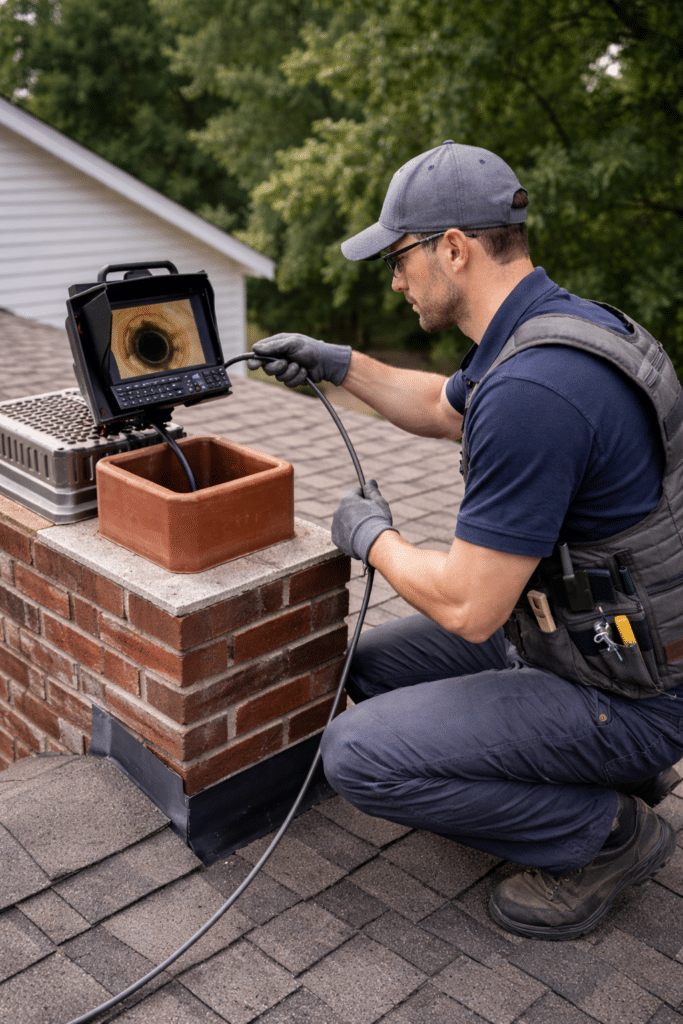
When people think about home maintenance costs, chimney inspections don’t always make the priority list. It’s easy to see them as just another expense, something you pay for once a year without getting much back in return. But that mindset actually costs homeowners more money in the long run, not less. Regular chimney inspections are one of those small, consistent expenses that end up protecting your wallet in ways that aren’t always obvious until you compare the alternative.
Small Repairs Cost Less Than Big Ones
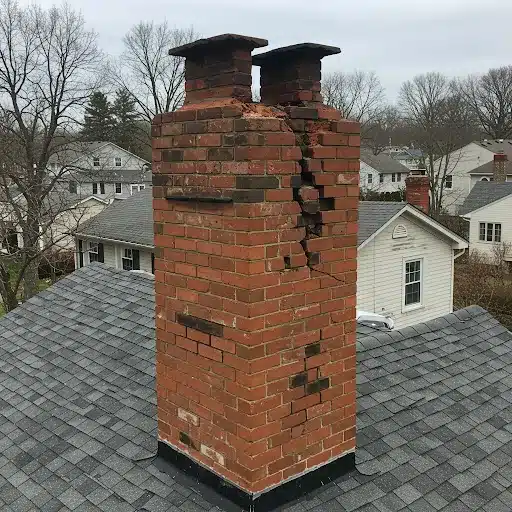
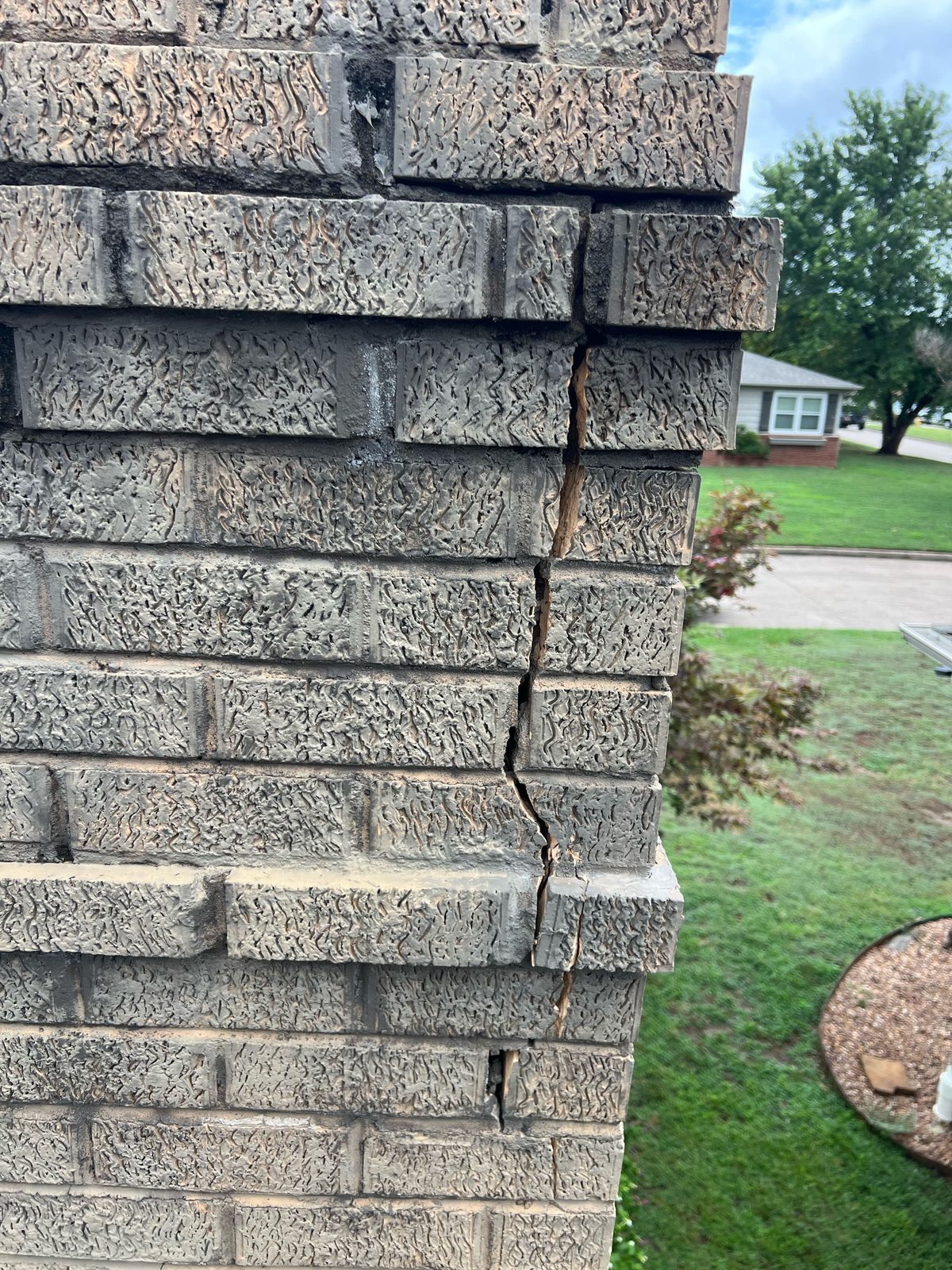
The most straightforward way inspections save you money is by catching problems while they’re still small. A hairline crack in the flue liner or a bit of loose mortar might cost a few hundred dollars to fix when caught early. Left alone for a year or two, that same crack can let moisture in, which leads to spalling brick, water damage, and eventually a much larger structural repair. What starts as a minor fix can turn into a project costing thousands of dollars if it goes unnoticed long enough.
Preventing Water Damage Before It Spreads

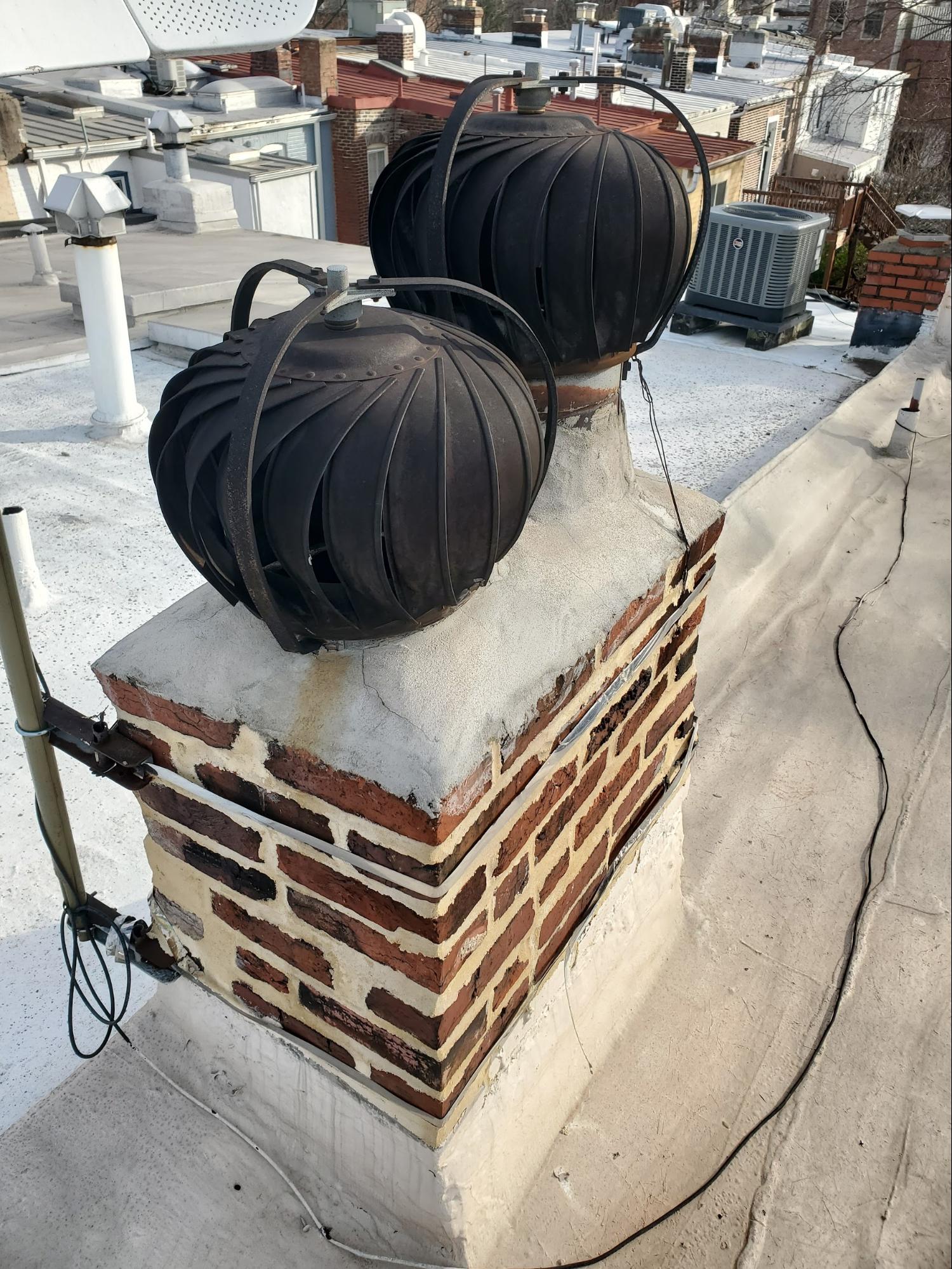
Water is one of the most damaging forces a chimney can face, and it’s also one of the easiest problems to miss without a trained eye. Cracked crowns, damaged flashing, and worn mortar joints all create entry points for water. Once water gets into your chimney system, it doesn’t stay contained. It can seep into your attic, damage ceilings, ruin insulation, and even affect the walls of your home. An inspection catches these entry points early, often before you’d ever notice a leak on your own, which means you’re fixing a small flashing issue instead of paying for drywall repair, insulation replacement, and mold remediation later.
Avoiding Emergency Repair Costs
Nobody wants to deal with a chimney emergency, and emergencies almost always cost more than planned maintenance. Emergency repairs often come with rush fees, limited scheduling options, and sometimes even temporary fixes that need to be redone properly later. A yearly inspection dramatically lowers the odds you’ll ever end up in that situation, since most major issues show early warning signs that a professional can catch well before things become urgent.
Extending the Life of Your Chimney
Chimneys are a significant investment, and like any part of your home, their lifespan depends heavily on how well they’re maintained. Regular inspections and the small repairs that come with them help extend the overall life of your chimney system. Replacing a chimney liner or rebuilding a chimney from the ground up is an expensive undertaking, often costing thousands of dollars. Spreading out small maintenance costs over the years is a much more manageable way to protect that investment than facing a full replacement decades sooner than necessary.
Better Efficiency Means Lower Heating Costs
A chimney that isn’t functioning properly doesn’t just create safety concerns, it also affects how efficiently your home heats. Blockages, creosote buildup, and damaged components can all restrict airflow, making your fireplace or heating appliance work harder to produce the same amount of warmth. That inefficiency shows up in your energy bills. Keeping your chimney clean and properly maintained through regular inspections helps your heating system run the way it’s supposed to, which can translate into real savings over the course of a cold season.
Protecting Your Home’s Resale Value
If you ever plan to sell your home, a documented history of regular chimney inspections can work in your favor. Buyers and their inspectors often flag chimney issues during a sale, and unresolved problems can lead to price negotiations or repair demands that cut into your final sale price. Having records that show consistent maintenance gives buyers confidence and can help you avoid last minute negotiations that eat into your bottom line.
The Bigger Picture
At the end of the day, a chimney inspection is a relatively small cost compared to the repairs it can help you avoid. Whether it’s catching a crack before it becomes a structural issue, stopping water damage before it spreads through your home, or simply keeping your fireplace running efficiently, the savings add up in ways that are easy to overlook until you see the alternative. Treating inspections as routine maintenance rather than an optional expense is one of the smartest financial decisions a homeowner can make when it comes to protecting their property.