Chimneys don’t ask for much attention, and that’s exactly why so many problems sneak up on homeowners. A chimney can look perfectly fine from the yard while quietly developing issues that only show themselves once something goes wrong. The good news is that most common chimney problems are preventable with a bit of regular care and a willingness to catch small issues before they turn into big ones. Here’s a look at the problems that show up most often, and what you can do to keep them from happening in your own home.
Creosote Buildup
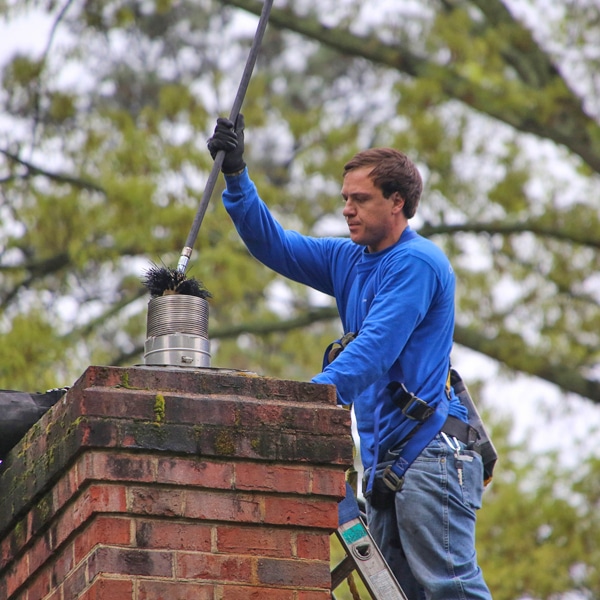
Creosote is one of the most well known chimney problems, and for good reason. It forms naturally whenever you burn wood, building up on the inside walls of your flue over time. In small amounts it’s not a huge concern, but as it thickens, it becomes highly flammable and is one of the leading causes of chimney fires. The best way to prevent creosote buildup is simple and consistent, burn only seasoned dry wood, avoid letting fires smolder for long periods, and schedule a professional cleaning at least once a year, ideally before burning season starts.
Cracked Chimney Crown
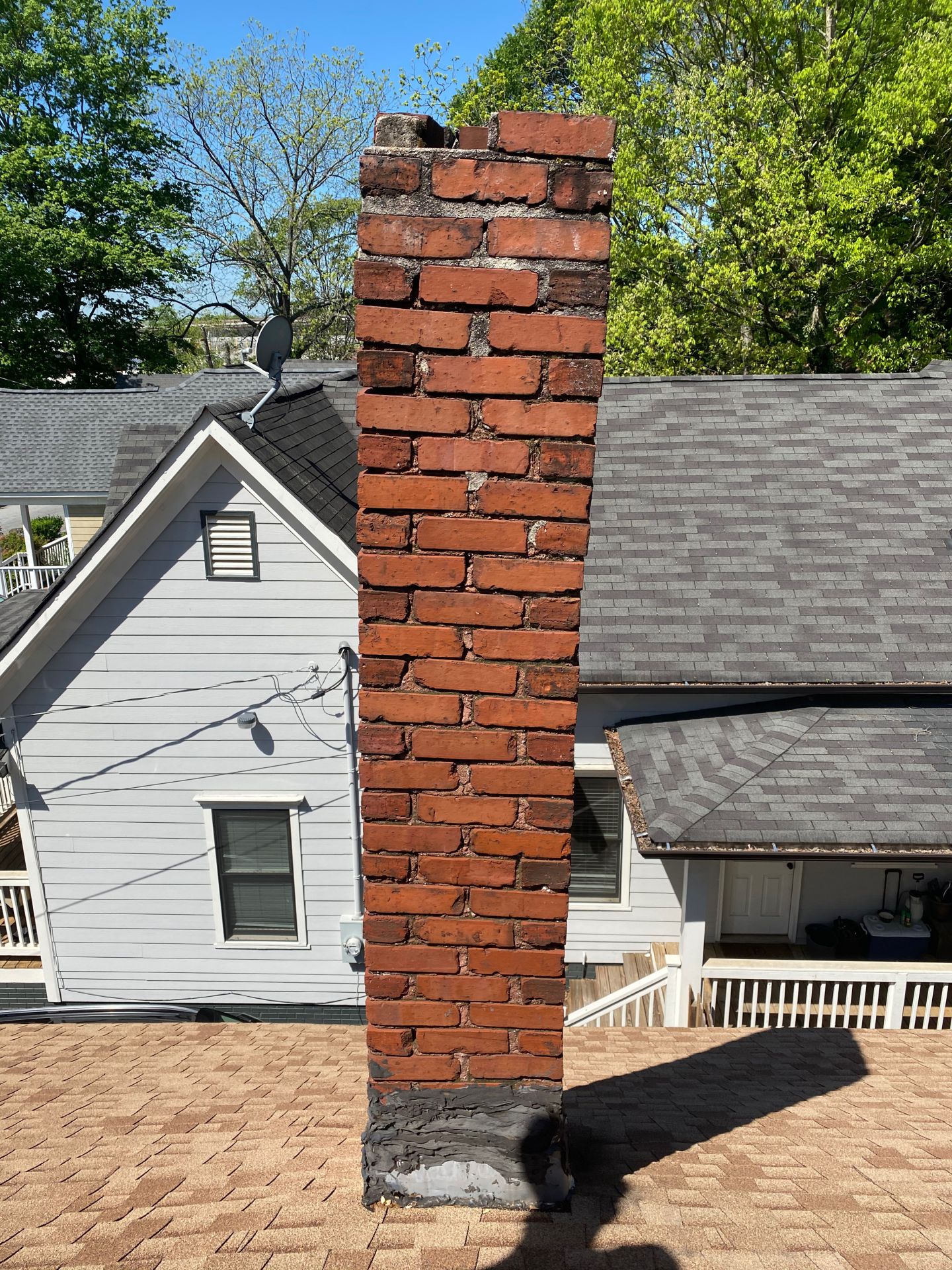
The crown is the concrete or masonry cap that sits at the very top of your chimney, and it takes a beating from the weather all year round. Rain, snow, and freeze thaw cycles can cause cracks to form over time. Once water gets into those cracks, it can seep down into the chimney structure and cause much larger problems, including damage to the flue liner and interior masonry. Preventing this starts with regular inspections that catch small cracks early, along with applying a waterproof sealant to the crown to help it hold up against the elements.
Damaged Flashing
Flashing is the metal material that seals the gap between your chimney and your roof. When it’s intact, it keeps water from seeping into your home at that vulnerable junction point. Over time, flashing can loosen, rust, or shift out of place, especially after storms or heavy winds. This is one of the most common causes of hidden water leaks inside a home. Having your flashing checked during your yearly chimney inspection, and repaired or replaced as needed, is one of the easiest ways to prevent water damage before it starts.
Blocked Flues
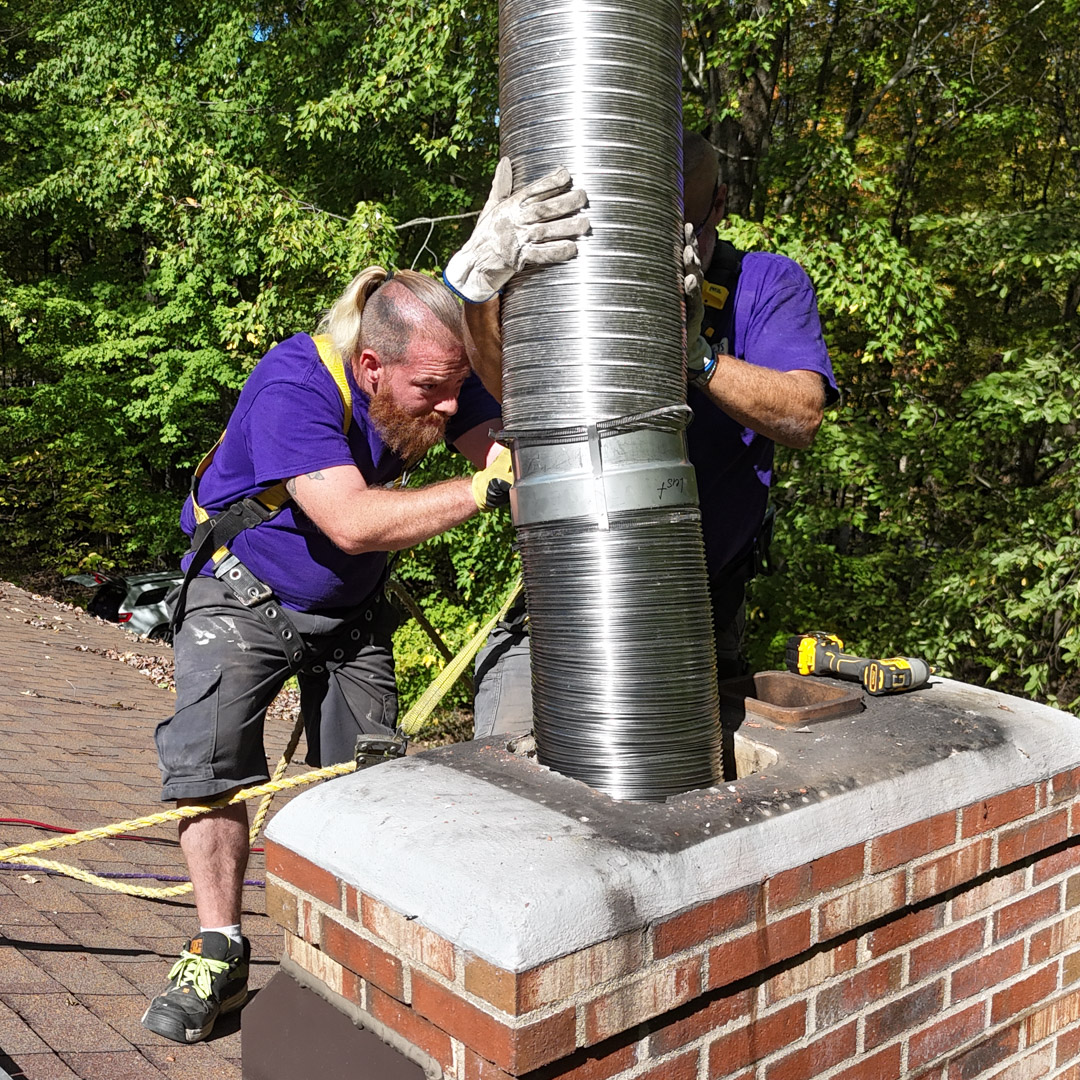
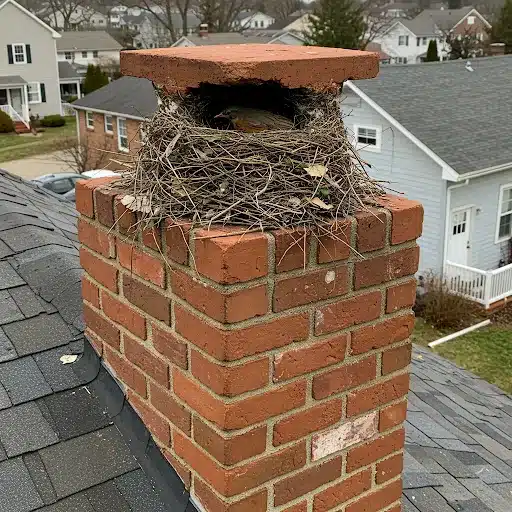
[IMAGE 2: chimney cap preventing bird nests and blockages]
Birds, squirrels, and other small animals often see an unused chimney as a great place to build a nest, especially during the warmer months when your fireplace sits idle. Twigs, leaves, and debris can also collect over time, all of which can block your flue without any obvious outward sign. A blocked flue is dangerous because it can force smoke and carbon monoxide back into your home instead of venting properly outside. Installing a quality chimney cap is one of the best ways to prevent animals and debris from getting in, and a pre season inspection helps confirm your flue is completely clear before you start using your fireplace again.
Spalling Brick
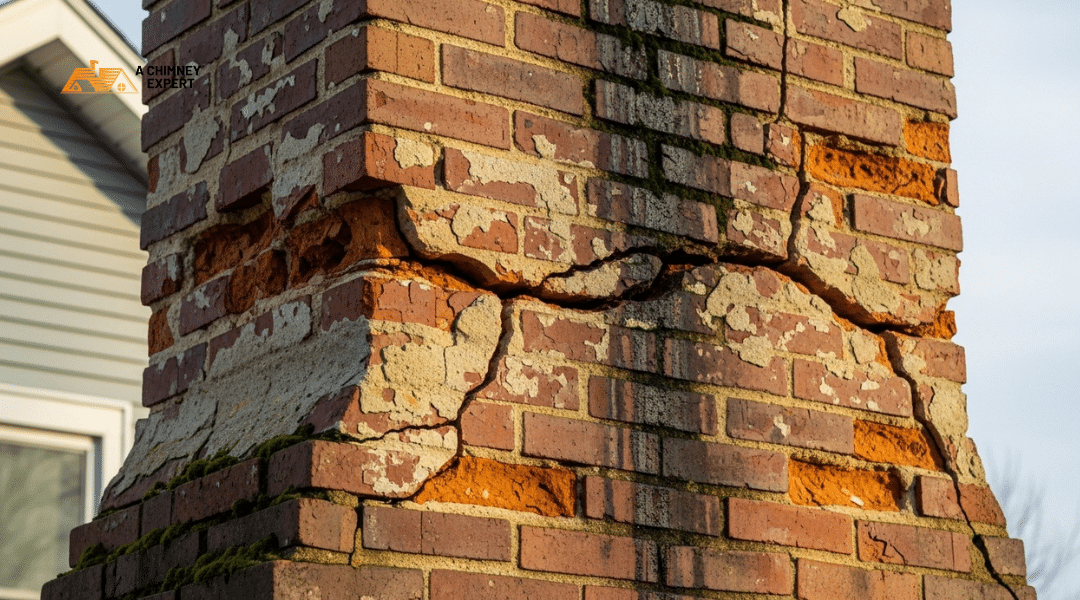
Spalling happens when moisture gets trapped inside brick or mortar and then expands and contracts through repeated freeze thaw cycles. Over time this causes the surface of the brick to flake, crack, and eventually break apart. It’s a slow moving problem, but one that can seriously weaken your chimney’s structure if left unaddressed. Preventing spalling comes down to keeping water out in the first place, which means addressing crown cracks, damaged flashing, and worn mortar joints before moisture has a chance to get trapped inside the masonry.
Rusted Damper or Firebox Components
Metal components inside your fireplace, like the damper, can rust over time, especially if moisture has been getting into the chimney through any of the issues mentioned above. A rusted damper might stick open or closed, which affects both safety and efficiency. Regular inspections help catch early signs of rust before the components fail completely, and addressing the underlying moisture problem prevents the issue from coming back.
Staying Ahead of the Problem
Most chimney problems share a common thread, they start small and get worse when ignored. The best defense against nearly every issue on this list is the same, schedule a professional inspection every year, address small repairs as soon as they’re identified, and keep your chimney clean and clear of debris. A little consistent attention goes a long way toward keeping your chimney safe, efficient, and free of the kind of problems that turn into expensive surprises down the road.