If you own a home in Philadelphia, there’s a good chance your chimney has seen a lot of years go by. With so many older rowhomes, twins, and historic properties throughout the city, chimney issues are almost a rite of passage for local homeowners. But when a problem shows up, it’s not always clear whether you’re looking at a simple repair or something bigger, a full replacement. Knowing the difference can save you money, stress, and a lot of back and forth with contractors.
Why This Decision Matters More in Philadelphia
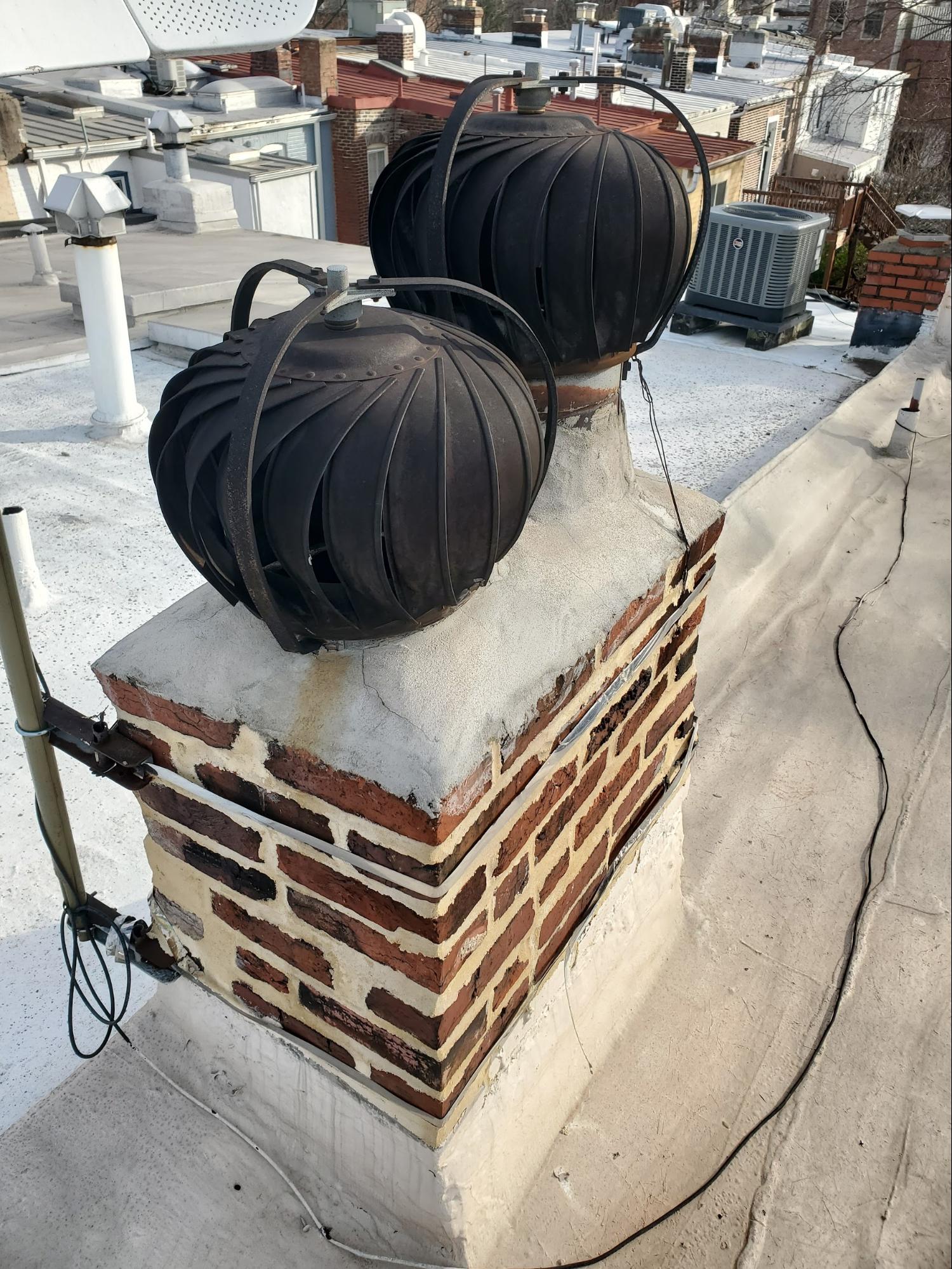
Philadelphia’s mix of older masonry chimneys and unpredictable weather makes this a more common question here than in a lot of other cities. Many homes were built decades before modern construction standards, and their chimneys have gone through countless freeze thaw cycles, humid summers, and years of use. That combination means Philadelphia homeowners often face chimney decisions sooner and more frequently than homeowners in newer developments elsewhere.
Signs That Point to a Simple Repair
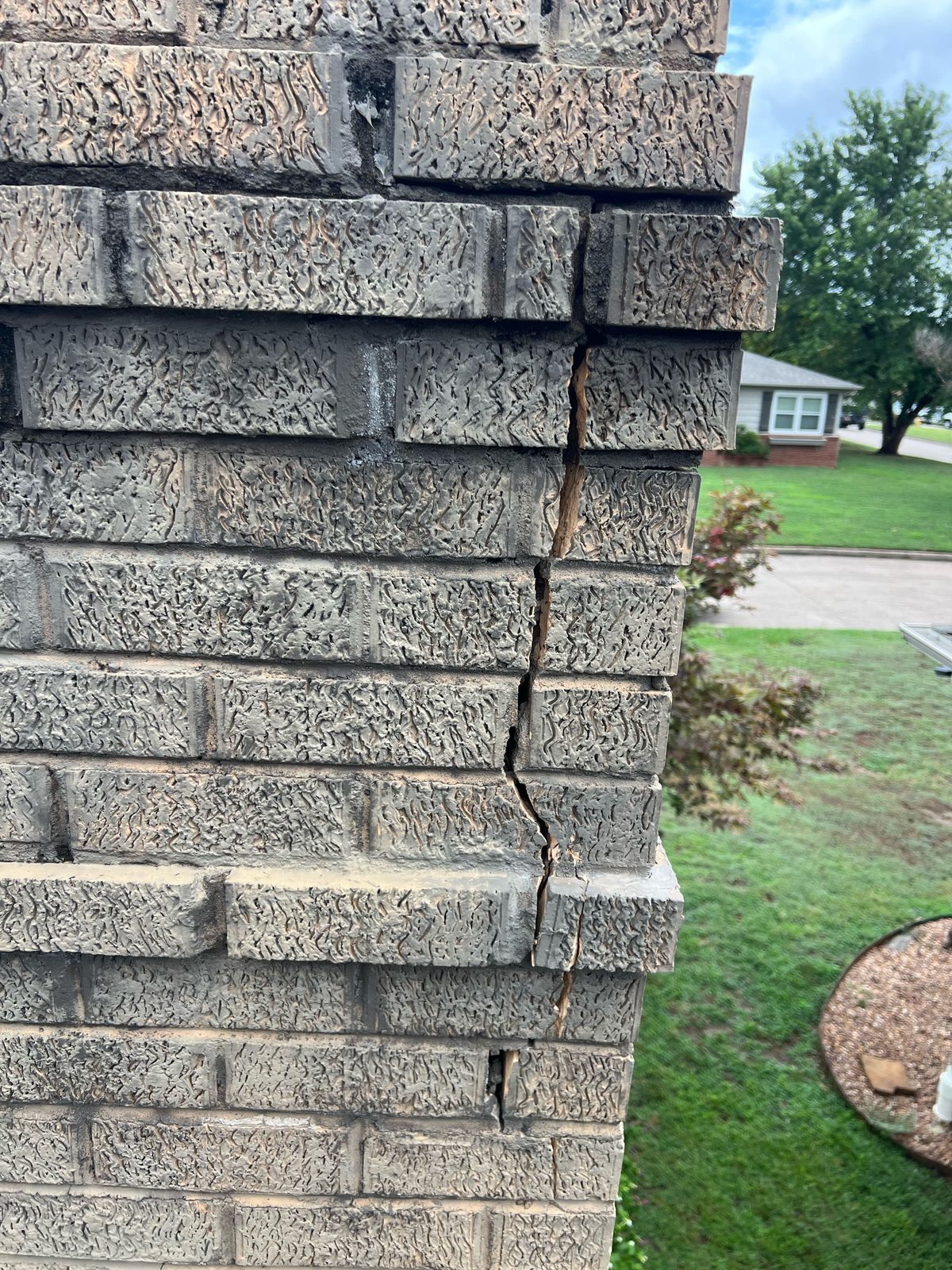
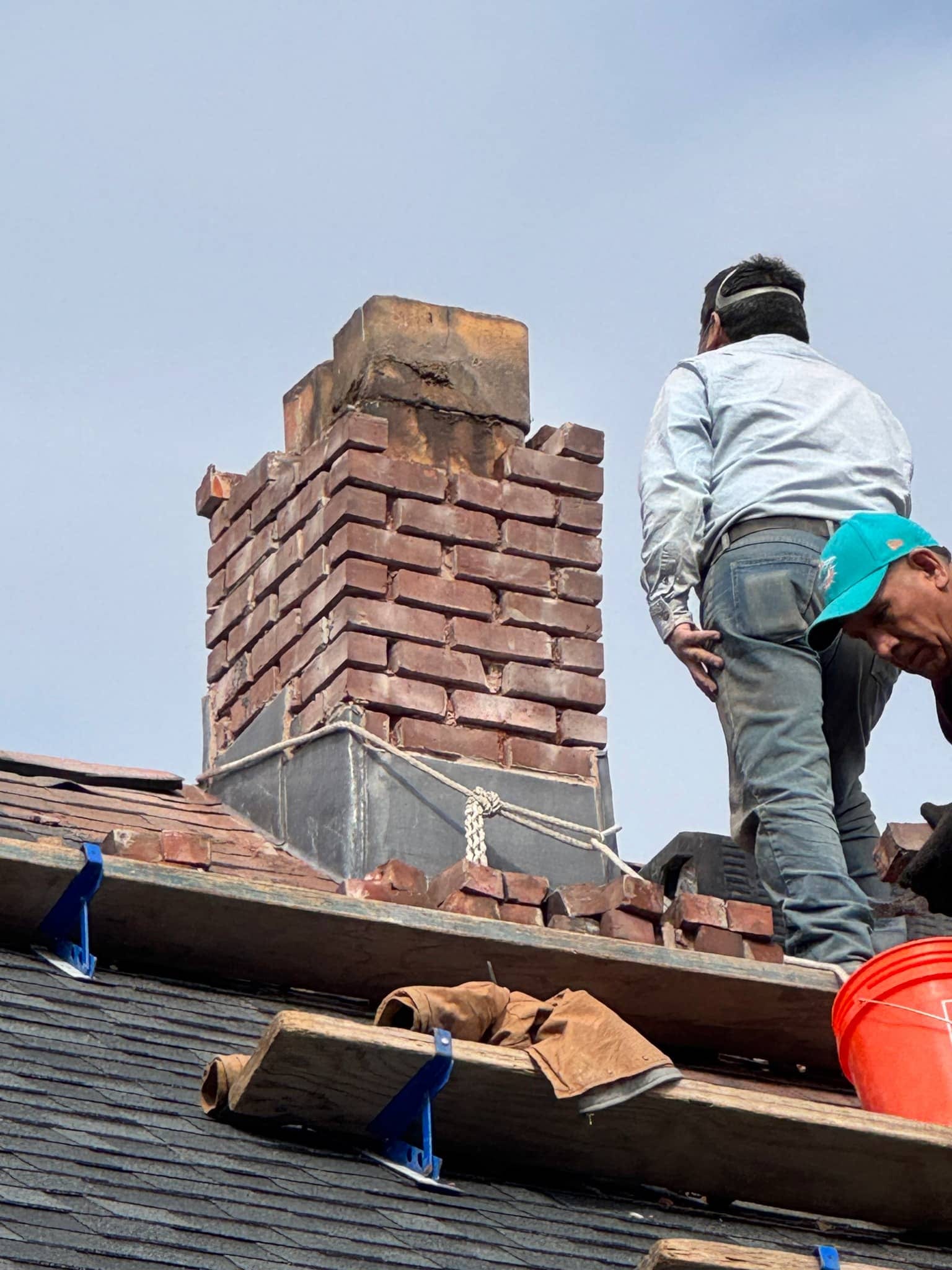
Not every issue means your chimney is beyond saving. Many common problems are considered repairable when caught in time. Cracked chimney crowns, damaged flashing, and minor mortar joint erosion are usually fixable without tearing the whole structure down. Small cracks in the brick, a bit of spalling in a localized area, or a damper that’s stopped working properly also typically fall into repair territory. If a professional inspection reveals problems limited to a specific section of the chimney, rather than widespread structural failure, repair is usually the more practical and affordable route.
Signs That Point to a Full Replacement
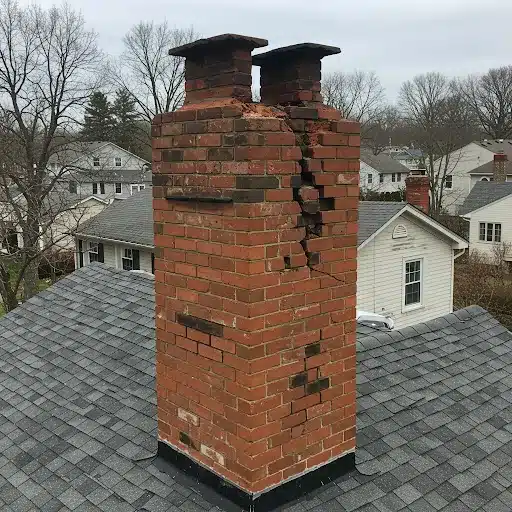
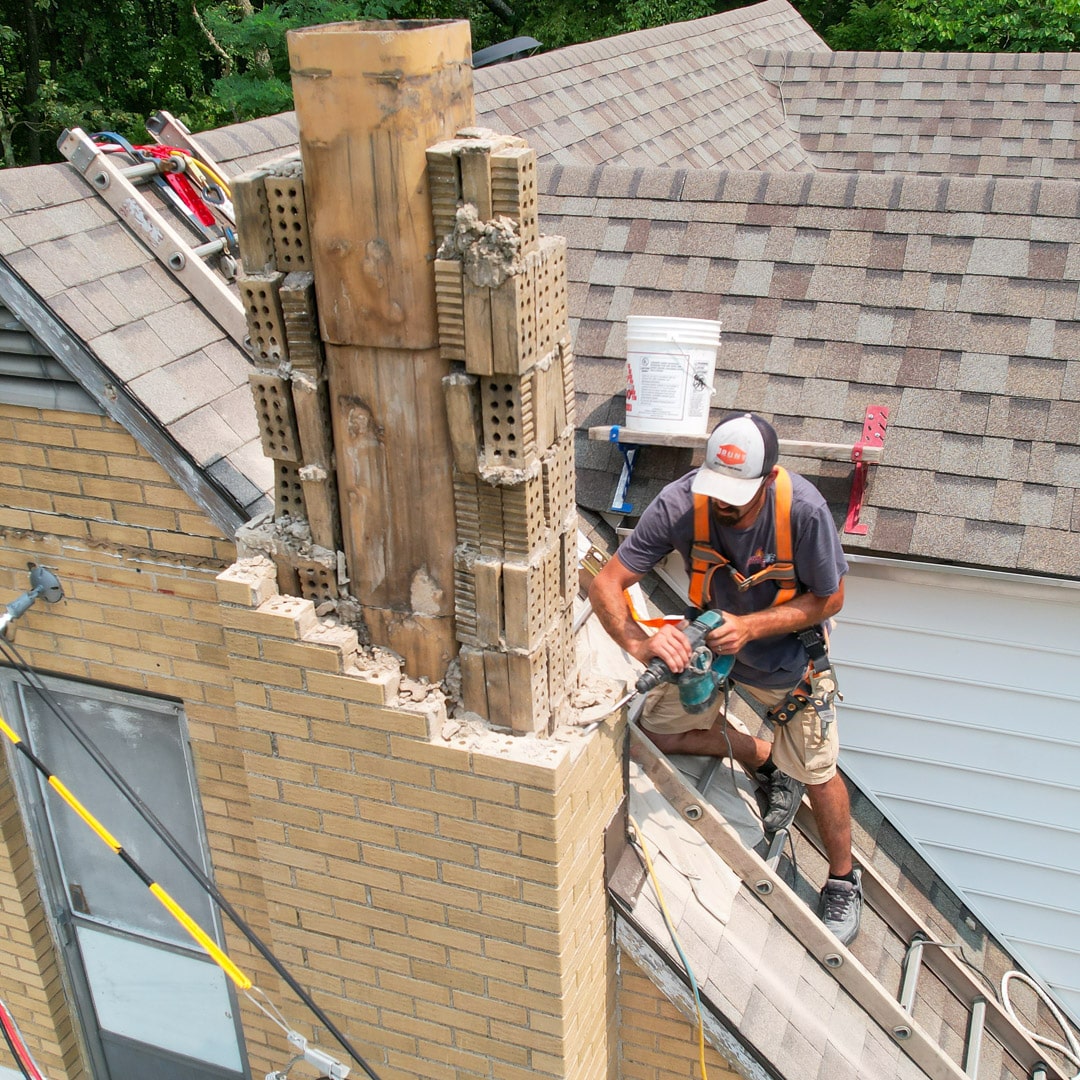
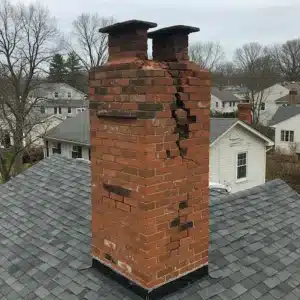
On the other end of the spectrum, some damage signals that repair just won’t cut it anymore. If a large portion of your chimney shows signs of leaning, separating from the house, or bulging outward, that’s often a sign of serious structural failure. Extensive spalling across most of the chimney, crumbling mortar throughout the entire structure, or a flue liner that’s cracked in multiple places can also mean the chimney has reached the end of its usable life. In these cases, patching individual problems becomes a temporary fix at best, and a full rebuild ends up being the safer long term solution.
Why Philadelphia’s Older Homes Complicate the Decision

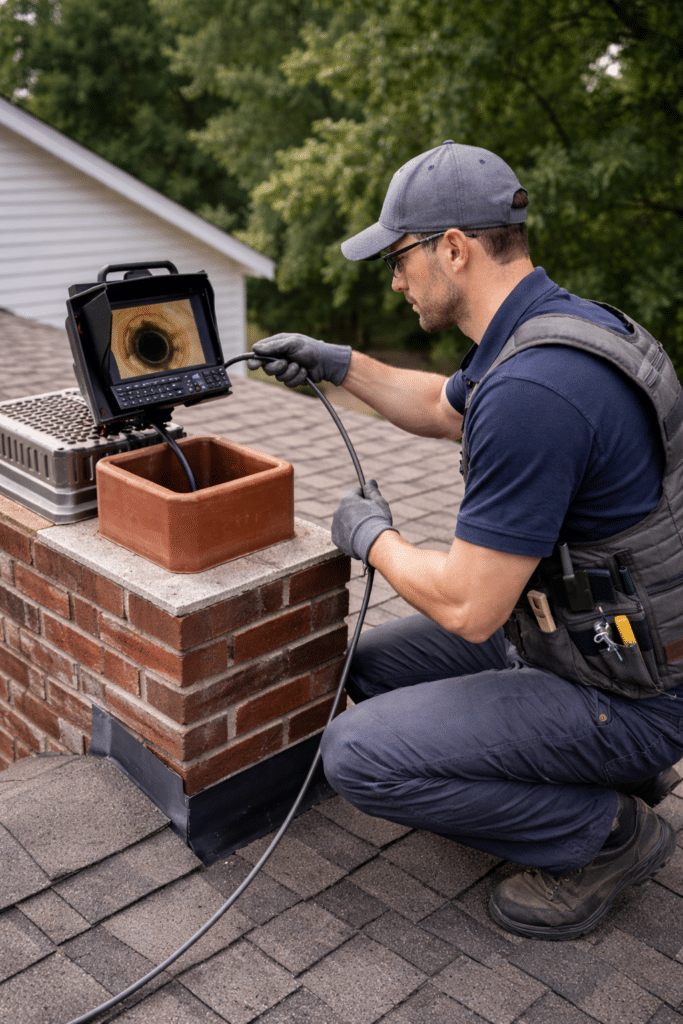
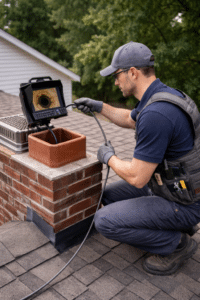
Because so many Philadelphia chimneys were built with older materials and construction methods, it’s not always as simple as looking at the outside and making a call. A chimney might look structurally sound from the street while hiding serious internal issues, or it might look rough on the surface while actually being perfectly repairable underneath. This is where a professional inspection, sometimes involving video scanning of the flue, becomes essential. Guessing based on appearance alone can lead homeowners to either overspend on an unnecessary rebuild or underspend on a repair that won’t actually solve the underlying problem.
The Cost Difference Between the Two
Repairs are almost always less expensive than a full replacement, which is exactly why catching problems early matters so much. A tuckpointing job or crown repair might run a few hundred to a couple thousand dollars depending on the scope. A full chimney rebuild, on the other hand, can run into the thousands, sometimes significantly more depending on the height, materials, and accessibility of the chimney. This cost gap is one of the biggest reasons Philadelphia homeowners are encouraged to schedule regular inspections rather than waiting until a small issue turns into something that requires a complete rebuild.
How to Make the Right Call
The best way to know whether you need a repair or a replacement is to have a qualified chimney professional assess the situation directly. They can identify whether the damage is isolated or widespread, check the structural integrity of the chimney, and give you a realistic picture of what’s involved with each option. Getting a second opinion is also reasonable if the recommendation seems more extensive than expected, especially for a decision as significant as a full chimney replacement.
Don’t Wait Until the Decision Is Made for You
The longer a chimney problem goes unaddressed, the more likely it becomes that a repair option turns into a replacement necessity. For Philadelphia homeowners dealing with older housing stock and tough seasonal weather, staying on top of chimney maintenance through yearly inspections is the best way to catch issues while repair is still on the table. It keeps costs manageable and helps make sure your chimney stays safe and functional for years to come.