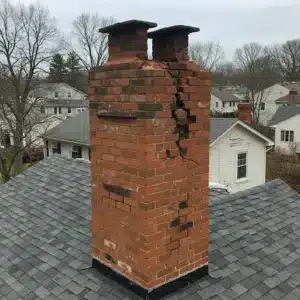
A water stain on the ceiling near your chimney is never a welcome sight, and in a Philadelphia rowhome it can be especially stressful. Shared walls, older construction, and narrow rooflines mean a leak can affect more than you might expect. The tricky part is that chimney leaks don’t always come from the same place. Sometimes it’s the flashing, sometimes it’s the crown, and sometimes it’s the brick and mortar itself. Knowing the difference can help you explain the problem clearly to a professional and avoid paying for repairs that don’t fix the real issue.
Why Rowhome Chimneys Are Prone to Leaks
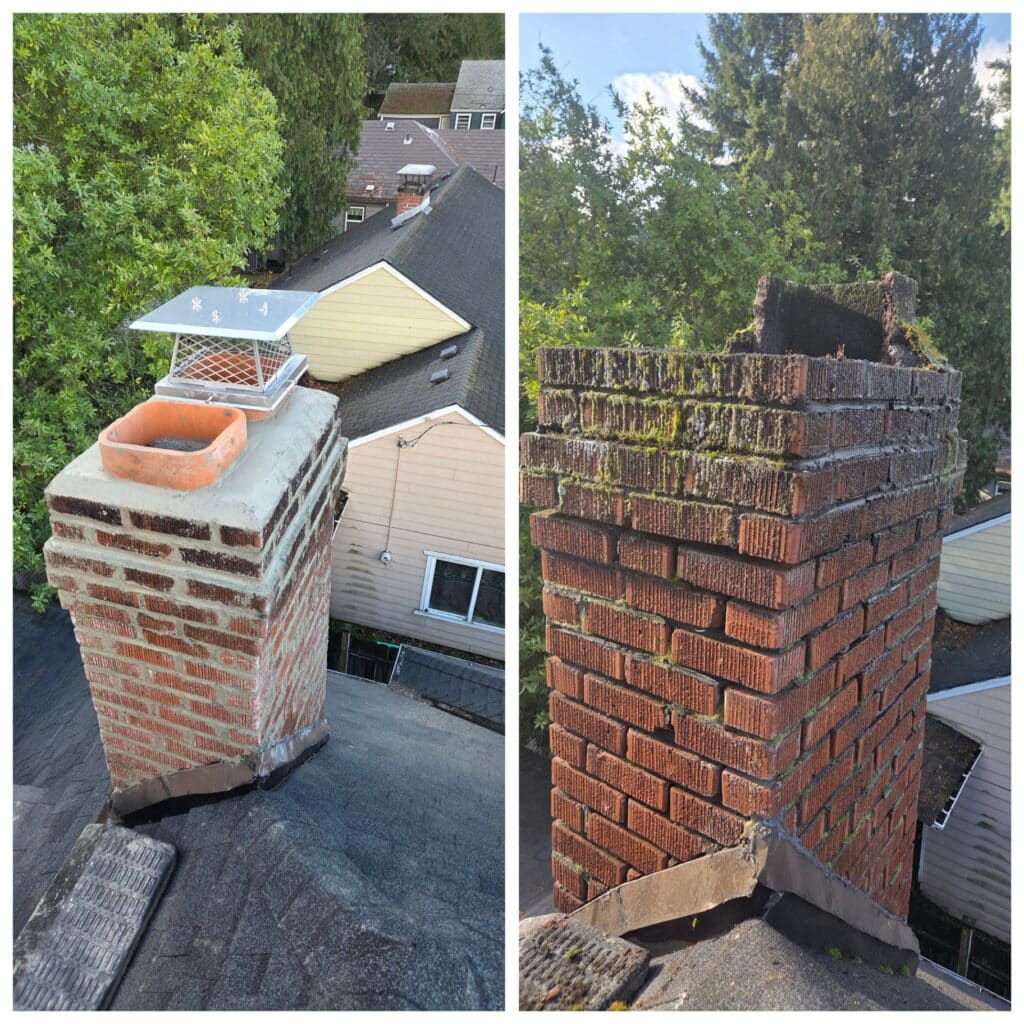
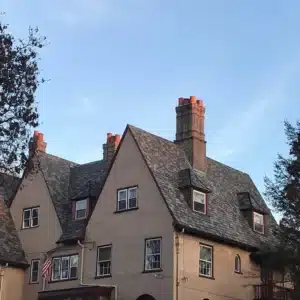
Many Philadelphia rowhomes are more than a century old, and their chimneys have endured decades of rain, snow, and freeze thaw cycles. Rooflines are often flat or low sloped, which means water doesn’t drain away as quickly as it would on a steep roof. Add in older masonry and the occasional patch job from years past, and it’s easy to see why chimneys in these homes are common sources of leaks.
Flashing: The Most Common Culprit
Flashing is the metal material that seals the joint where the chimney meets the roof. It’s one of the most frequent causes of chimney leaks because that junction is under constant stress from weather and the natural movement of the house. Over time, flashing can rust, lift, crack, or pull away from the brick. The sealant used to hold it in place also dries out and fails. If your leak shows up mainly during heavy rain, and the stain appears near where the chimney passes through the roof or ceiling, flashing is a strong suspect.
The Crown: Your Chimney’s First Line of Defense

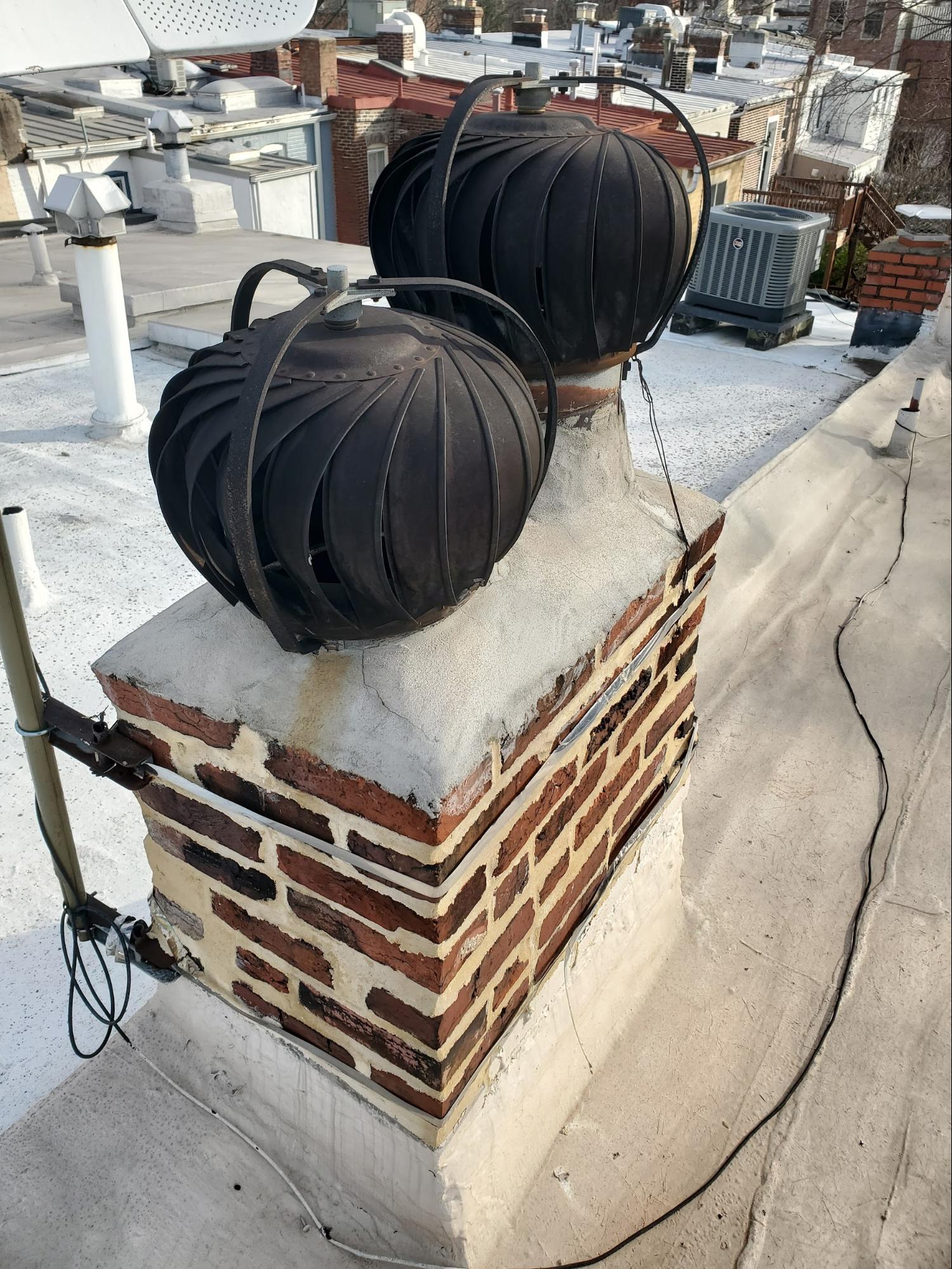
The crown is the cap, usually made of concrete or mortar, that covers the top of the chimney and sheds water away from the brick. When it cracks, water can seep straight into the chimney structure. Crowns on older chimneys are sometimes poorly built or were never properly sloped in the first place, so they tend to deteriorate faster. If you can see cracks across the top of the chimney, or if the leak seems to travel down through the inside of the chimney rather than around its base, the crown may be the source.
Masonry: Brick and Mortar Absorb More Than You Think
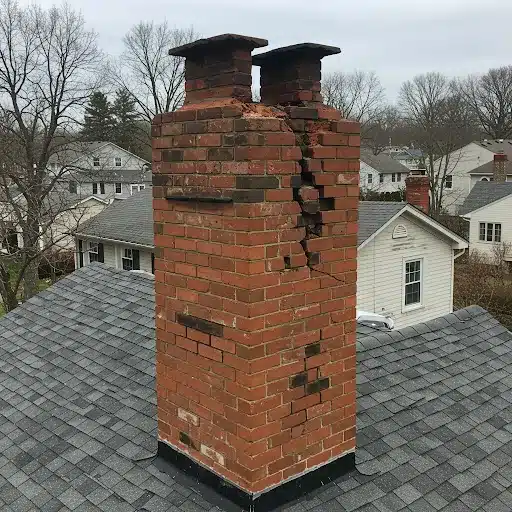
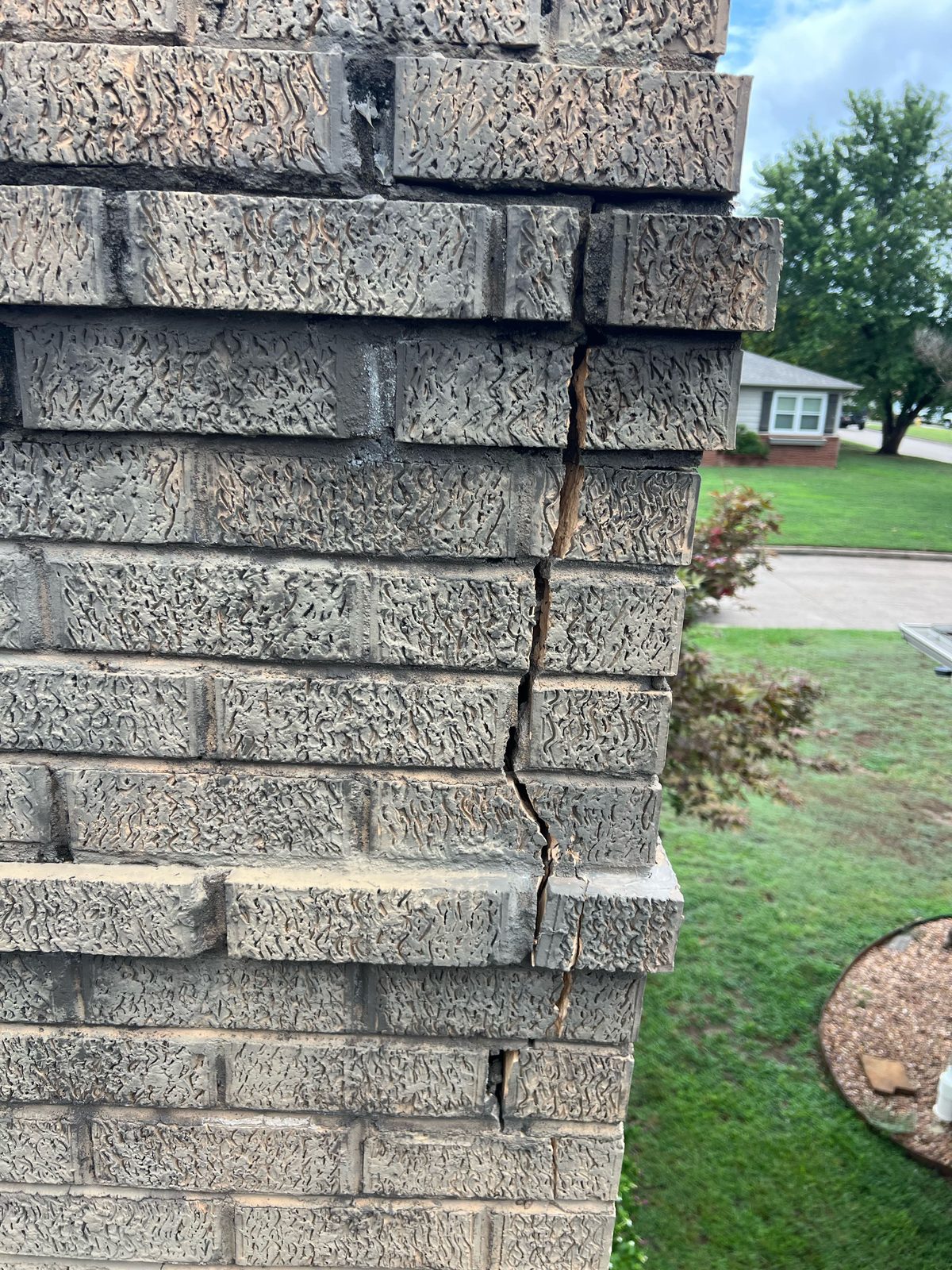
Brick is naturally porous, and old brick in particular can soak up a surprising amount of water. When mortar joints crumble or bricks begin to spall, water can move through the walls of the chimney and into the home. Masonry leaks often show up after long periods of wet weather rather than only during a single storm. Signs include damp patches on interior walls near the chimney, white mineral deposits on the brick, and visible gaps in the mortar.
Other Possible Sources
Sometimes the problem isn’t the chimney structure itself. A missing or damaged chimney cap can let rain pour directly into the flue. Condensation inside an unlined or poorly lined chimney can also create moisture that looks like a leak. In rowhomes, water running along a shared wall from a neighboring roof issue can occasionally be mistaken for a chimney problem as well. This is part of why a careful inspection matters.
How to Narrow Down the Cause
There are a few clues you can look for while you wait for a professional. Note when the leak appears, such as during heavy rain, after snowmelt, or only in wet weather over several days. Check where the stain shows up and whether it spreads. Take a look at the roofline from the street or from a safe vantage point for obvious damage. Taking photos and writing down these observations can help a technician pinpoint the issue faster.
Why Guessing Can Be Costly
It’s tempting to slap on a quick coat of sealant and hope for the best, but that rarely works if the real cause is somewhere else. Sealing flashing won’t fix a cracked crown, and sealing the crown won’t help if water is coming through failing mortar joints. Fixing the wrong thing means the leak continues, and the hidden damage can grow in the meantime, including rotting wood, ruined insulation, and mold.
What a Professional Inspection Involves
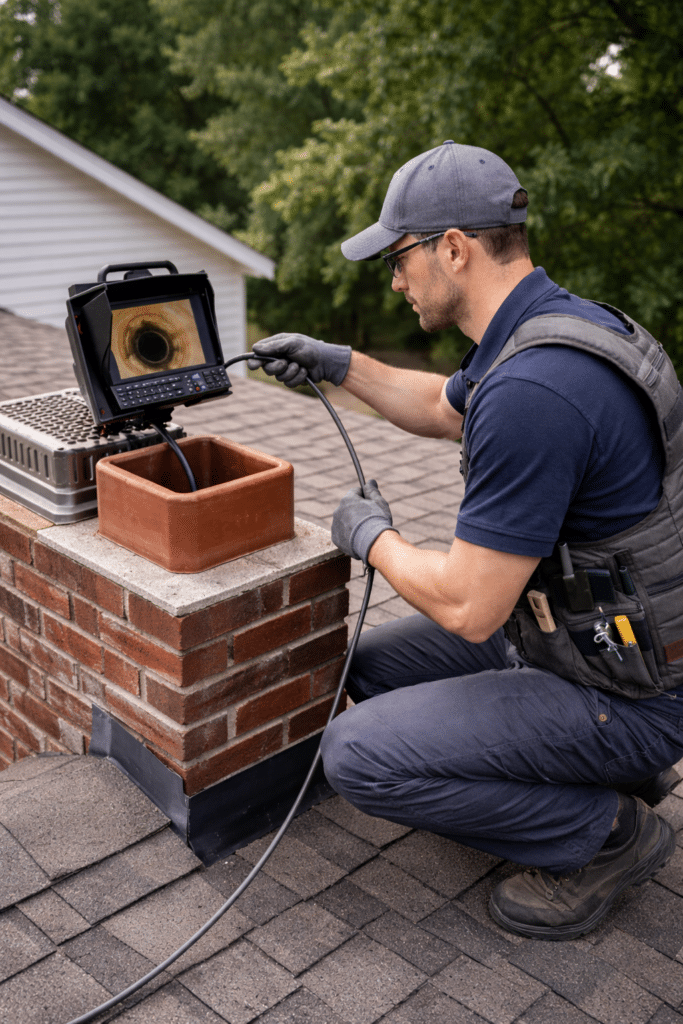
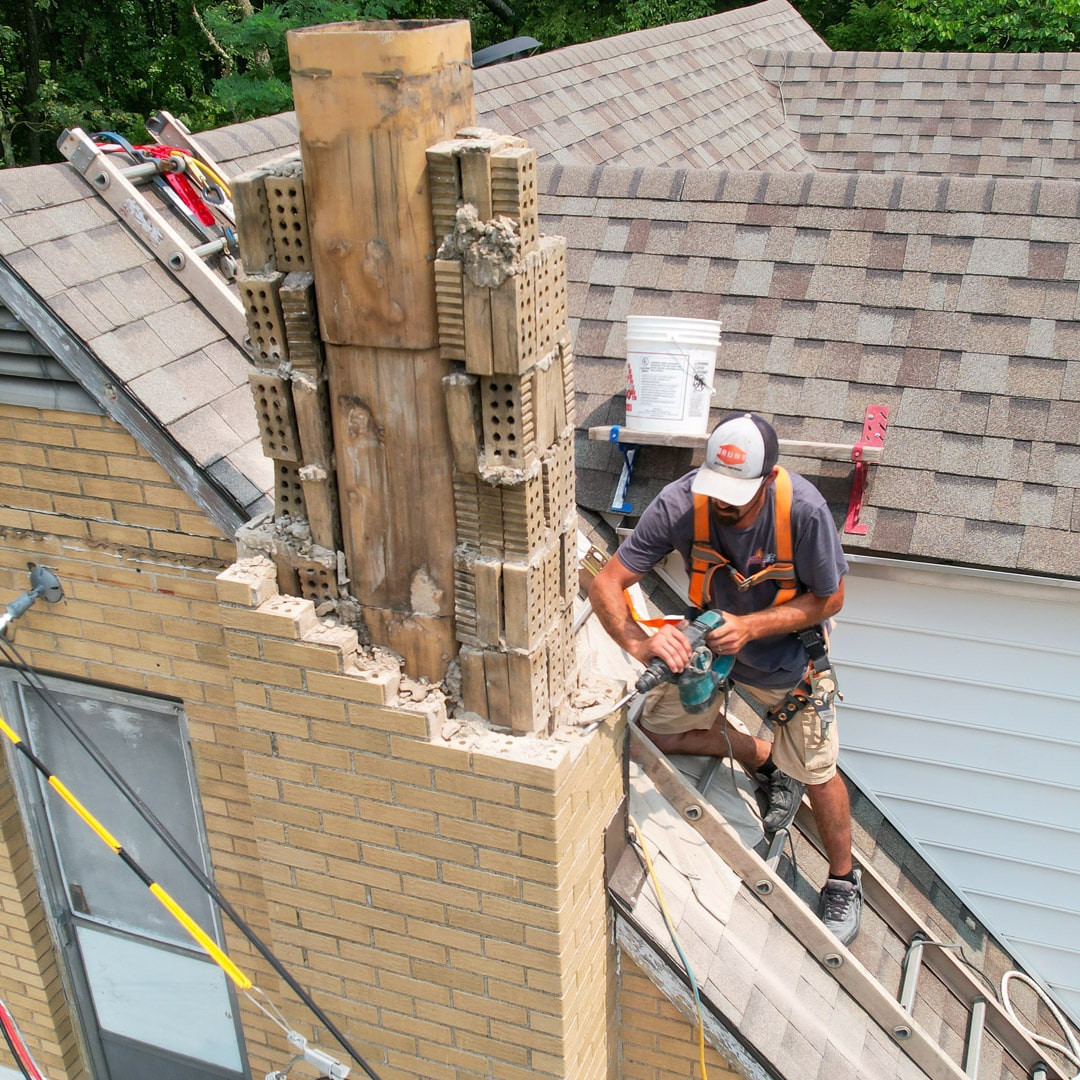
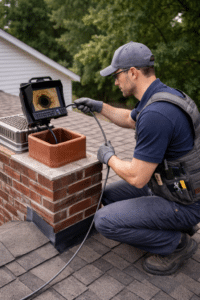
A qualified chimney or masonry professional will examine the crown, flashing, brick, mortar, cap, and flue, and in many cases will perform a water test to trace where moisture is entering. They can then recommend the right repair, whether that means replacing flashing, rebuilding a crown, repointing mortar, or applying a breathable waterproofing treatment designed for older masonry.
Don’t Let a Small Leak Become a Big Problem
Water damage tends to spread quietly and get worse over time. In a rowhome, that can affect not only your own space but also shared walls and neighboring properties. Acting quickly when you notice a stain or dampness near your chimney gives you the best chance of keeping repairs simple and affordable. A prompt inspection can identify whether the flashing, crown, or masonry is to blame and get your home back to staying dry.