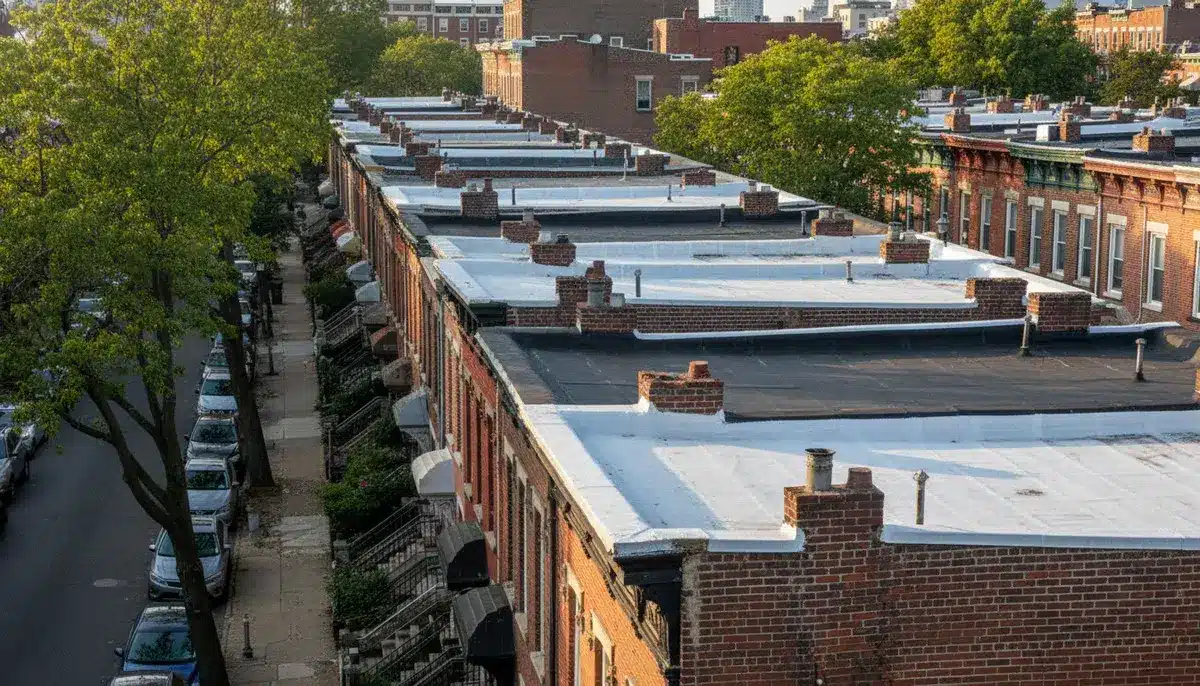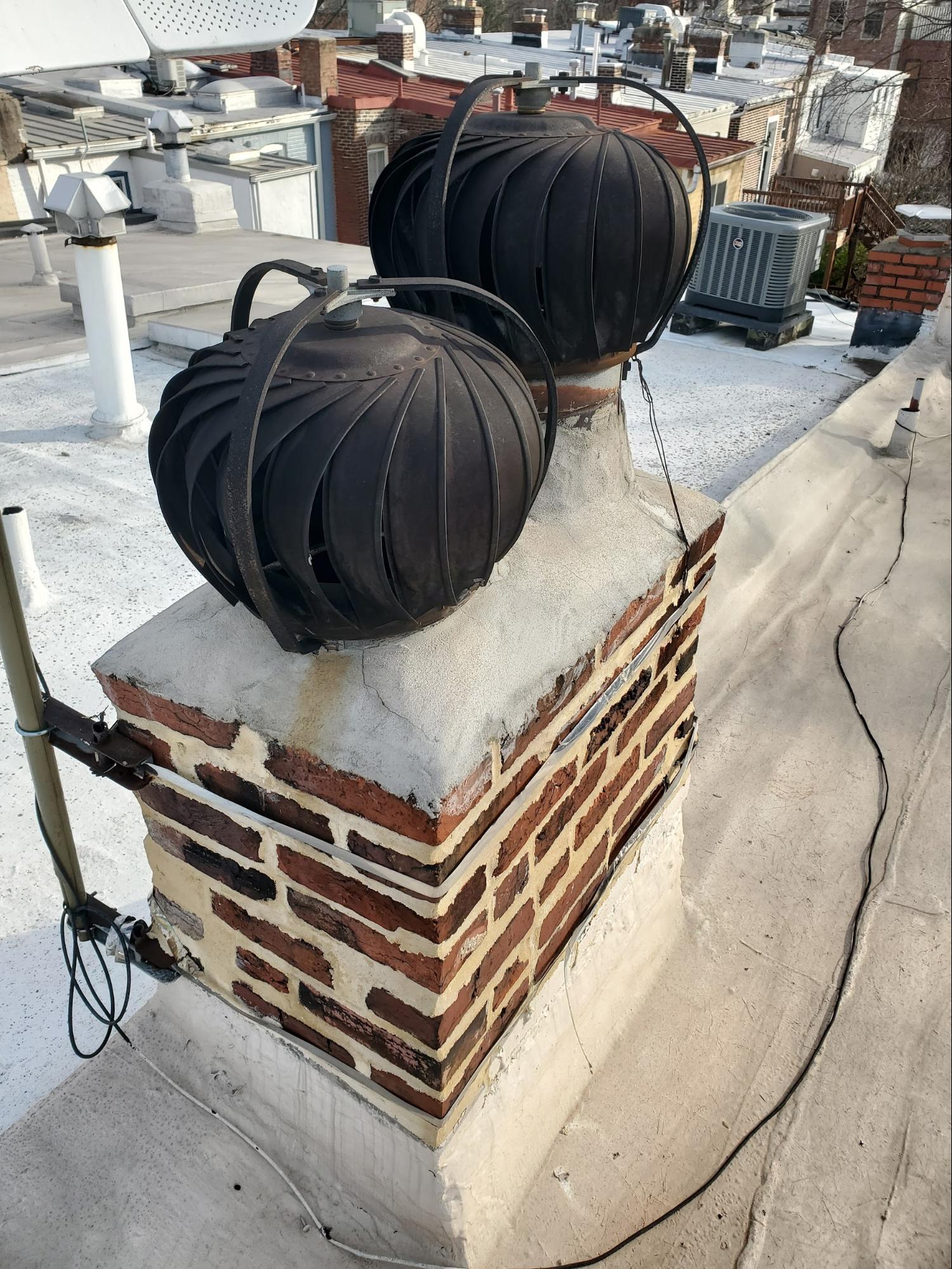
Walk through neighborhoods like Society Hill, Old City, or Germantown and you’ll see centuries of brick architecture standing proudly along the skyline. Many of those rooftops are topped with chimneys that have been there for well over a hundred years. They’re part of what gives Philadelphia its character, but they also come with unique needs that modern chimneys simply don’t have. Treating a historic brick chimney the same way you’d treat one built last year can lead to damage that’s expensive and sometimes impossible to reverse.
Older Brick Is Softer Than Modern Brick
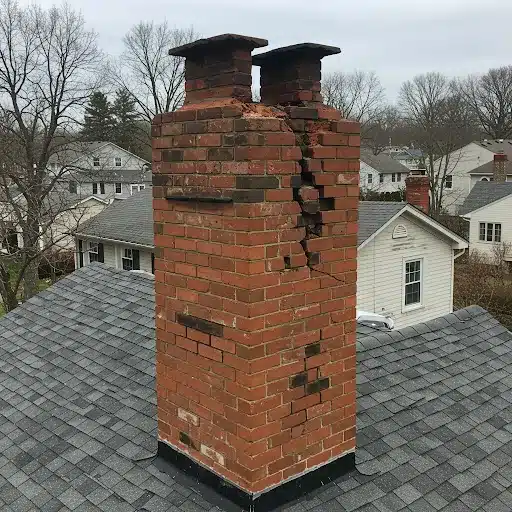
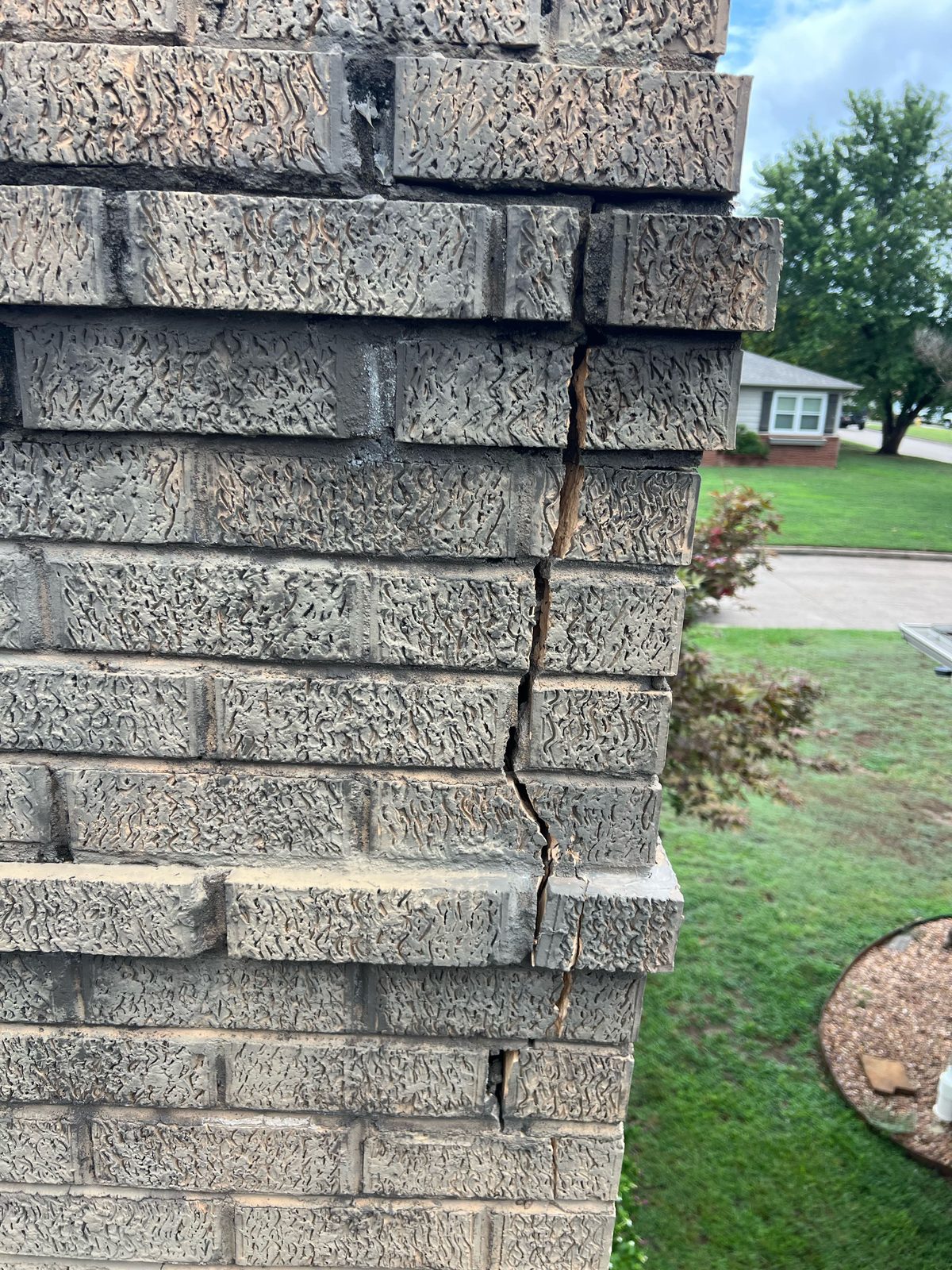
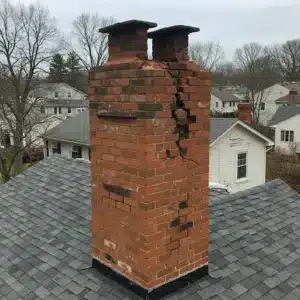
Bricks made in the 1700s and 1800s were often fired at lower temperatures than the bricks used today. That makes them softer and more porous, which means they absorb more water and wear down faster when exposed to harsh weather. Philadelphia’s freeze thaw cycles can be especially hard on this kind of masonry, since water that soaks into the brick expands when it freezes and can cause the surface to flake or crumble. Because of this, historic brick needs gentler treatment than modern brick can tolerate.
The Mortar Matters More Than You Think
One of the most common mistakes in historic chimney repair is using the wrong mortar. Older buildings were typically constructed with soft lime based mortar, which is designed to be slightly weaker than the brick around it. This allows the mortar to flex and absorb moisture so the brick stays protected. Modern Portland cement mortar is much harder and less flexible. When it’s used on old brick, it can trap moisture and actually cause the bricks themselves to crack and spall, since they become the weaker part of the system.
Why Matching Materials Is Important
A skilled mason who works on historic properties will often test the existing mortar and match its composition, color, and texture as closely as possible. This isn’t just about appearance. Using compatible materials helps the chimney age gracefully and keeps repairs from causing new problems. Mismatched repairs can also stand out visually, which is a concern for homeowners who want to preserve the original character of their property.
Hidden Flue Problems in Older Chimneys
[IMAGE 2: cracked clay flue tile liner in an old chimney]
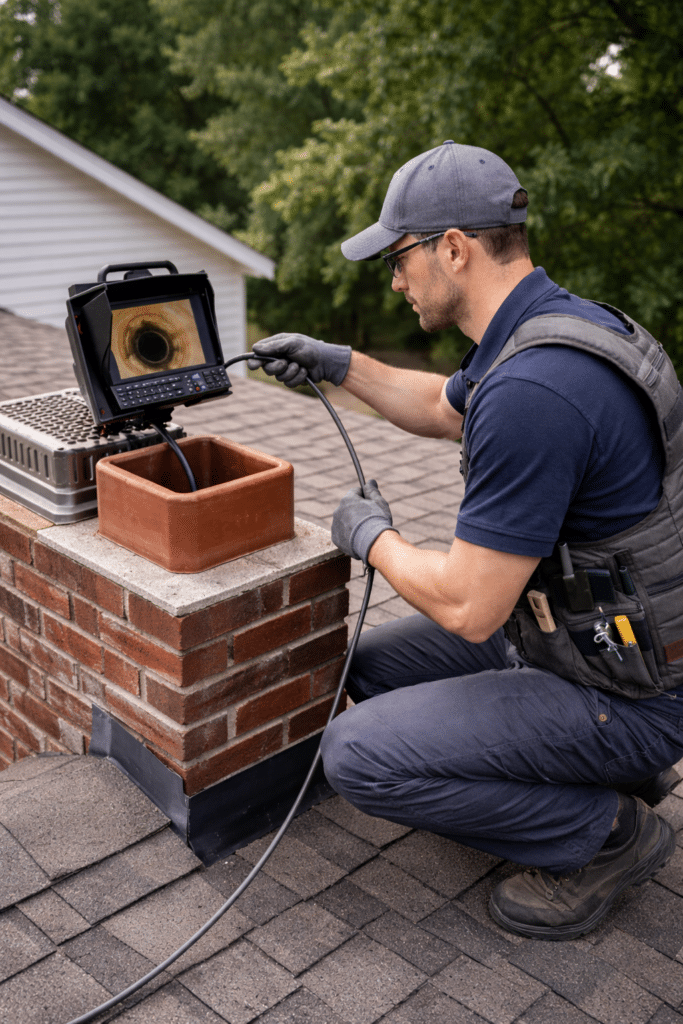
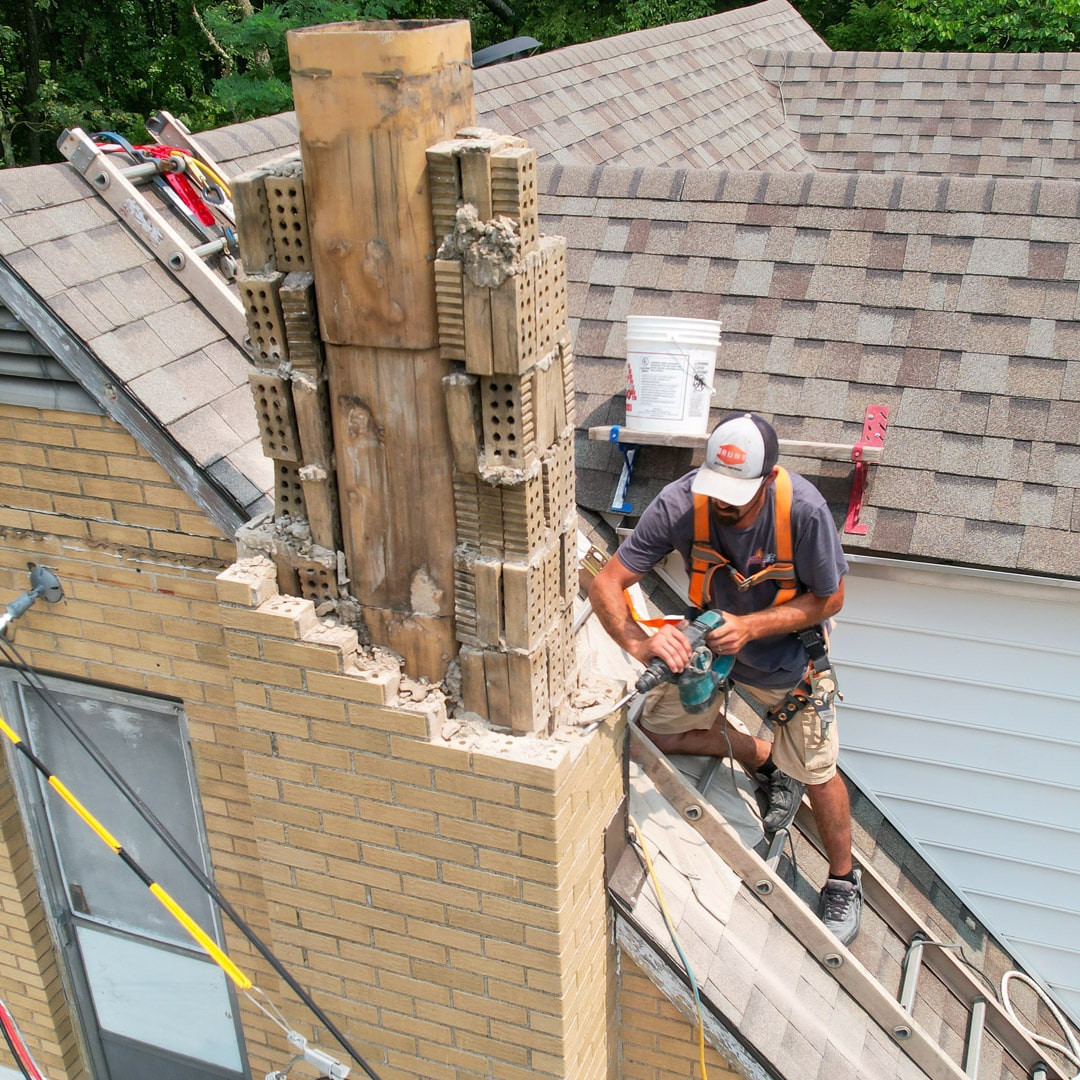
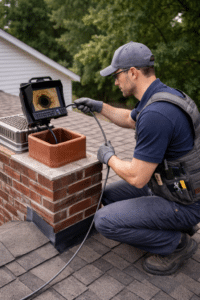
Many historic chimneys were built before modern flue liners became standard. Some have no liner at all, while others have older clay tiles that have cracked or shifted over the decades. Without a proper liner, heat, moisture, and combustion gases can travel through the masonry and into the walls of the home. A professional inspection using video scanning can reveal these problems, which often can’t be seen from the outside or even from inside the fireplace.
Water Is the Biggest Enemy
For historic brick chimneys, water is almost always the root cause of major damage. Cracked crowns, failing flashing, and worn mortar joints let moisture in, and that moisture slowly breaks down the structure from within. Regular inspections and prompt repairs help keep water out, and breathable sealants can offer extra protection without trapping moisture inside the brick. Choosing the right product matters, since non breathable coatings can do more harm than good on old masonry.
Avoiding Harsh Cleaning Methods
Cleaning historic brick requires a careful approach. Sandblasting and high pressure washing may seem like quick ways to freshen up an old chimney, but they can strip away the protective outer layer of the brick and leave it far more vulnerable to water damage. Gentle cleaning methods, chosen by someone familiar with historic masonry, protect the brick and help it last longer.
Preservation and Historic District Rules
Some Philadelphia homes are located in historic districts or are individually listed on the historic register, which can come with guidelines about exterior changes, including chimney work. Before starting a major repair or rebuild, it’s a good idea to check whether any regulations apply to your property. A knowledgeable contractor can help you understand what is allowed and how to keep your project in line with preservation standards.
Choosing the Right Professional
Not every chimney company has experience with historic masonry. Look for professionals who understand traditional building methods, can explain why they recommend certain materials, and have worked on older homes before. Asking to see examples of past historic projects is a smart step. The right expertise can make the difference between a repair that protects your chimney for decades and one that causes new problems within a few years.
Protecting a Piece of Philadelphia History
A historic brick chimney is more than just a way to vent a fireplace. It’s a piece of the city’s architectural heritage, and it deserves care that respects how it was built. With regular inspections, the right materials, and skilled professionals, these chimneys can continue standing safely and beautifully for many more years. A little extra attention now helps preserve both your home and a small part of Philadelphia’s history.