A leaking chimney is one of those problems that most homeowners do not see coming. One week everything seems fine, and the next week there is a damp patch on the wall near the fireplace or an odd musty smell hanging around the living room after a rainstorm. It is easy to ignore at first, but ignoring it is really the worst thing anyone can do. Water and chimneys do not get along well, and the longer a leak is left untreated, the more expensive and complicated the repair becomes.
So what should a homeowner actually do when they suspect the chimney is leaking? Here is a straightforward breakdown.
Spot the Warning Signs Before Things Get Worse
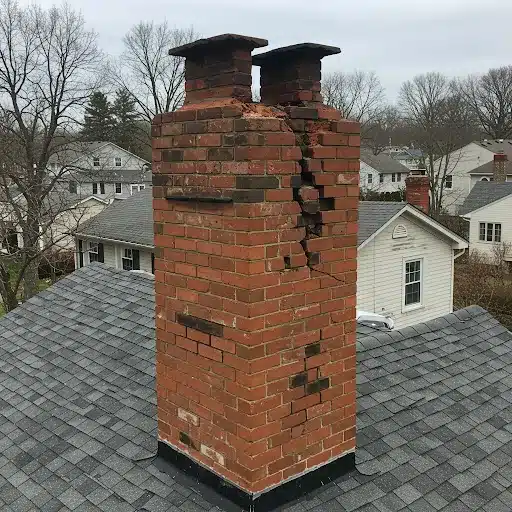
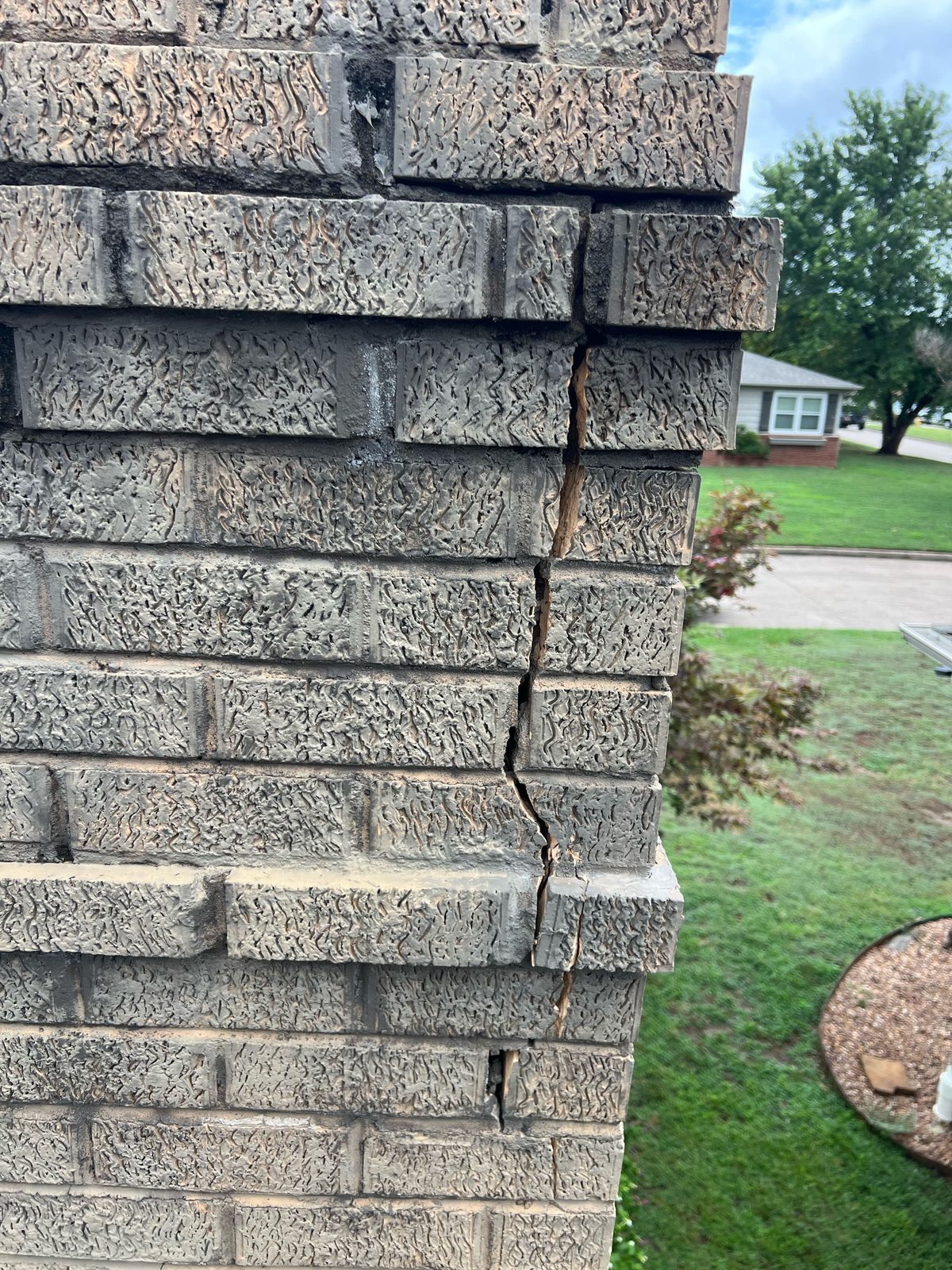
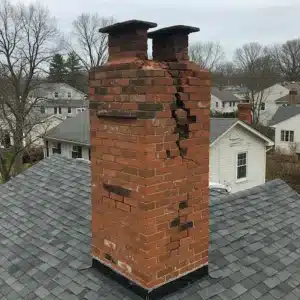
A chimney leak does not always announce itself with a dramatic drip of water. A lot of the time it shows up in quieter ways that are easy to miss if no one is looking for them. White powdery deposits on the outside of the brickwork, known as efflorescence, are a classic sign that moisture has been getting into the masonry. Rust forming on the damper or firebox inside is another red flag. Peeling paint or soft spots on walls near the chimney, a persistent musty smell, and crumbling mortar between the bricks are all worth paying attention to.
Catching these signs early makes a huge difference. A small crack in the chimney crown or a slightly loose piece of flashing is a minor repair. Left alone through a few more winters, it becomes a much bigger job.
Stop Using the Fireplace Right Away
This might seem obvious but a lot of people keep lighting fires even after noticing signs of a leak, thinking it will be fine just one more time. It really is not worth the risk. Using a chimney that has water damage can speed up the deterioration of the flue liner, and in serious cases it creates a fire hazard or allows carbon monoxide to creep into the living space. Until the source of the leak is found and fixed, the fireplace should stay cold.
Find Out Where the Water Is Getting In
Not all chimney leaks come from the same place, and figuring out the source saves a lot of time and money. There are a few usual suspects worth checking.
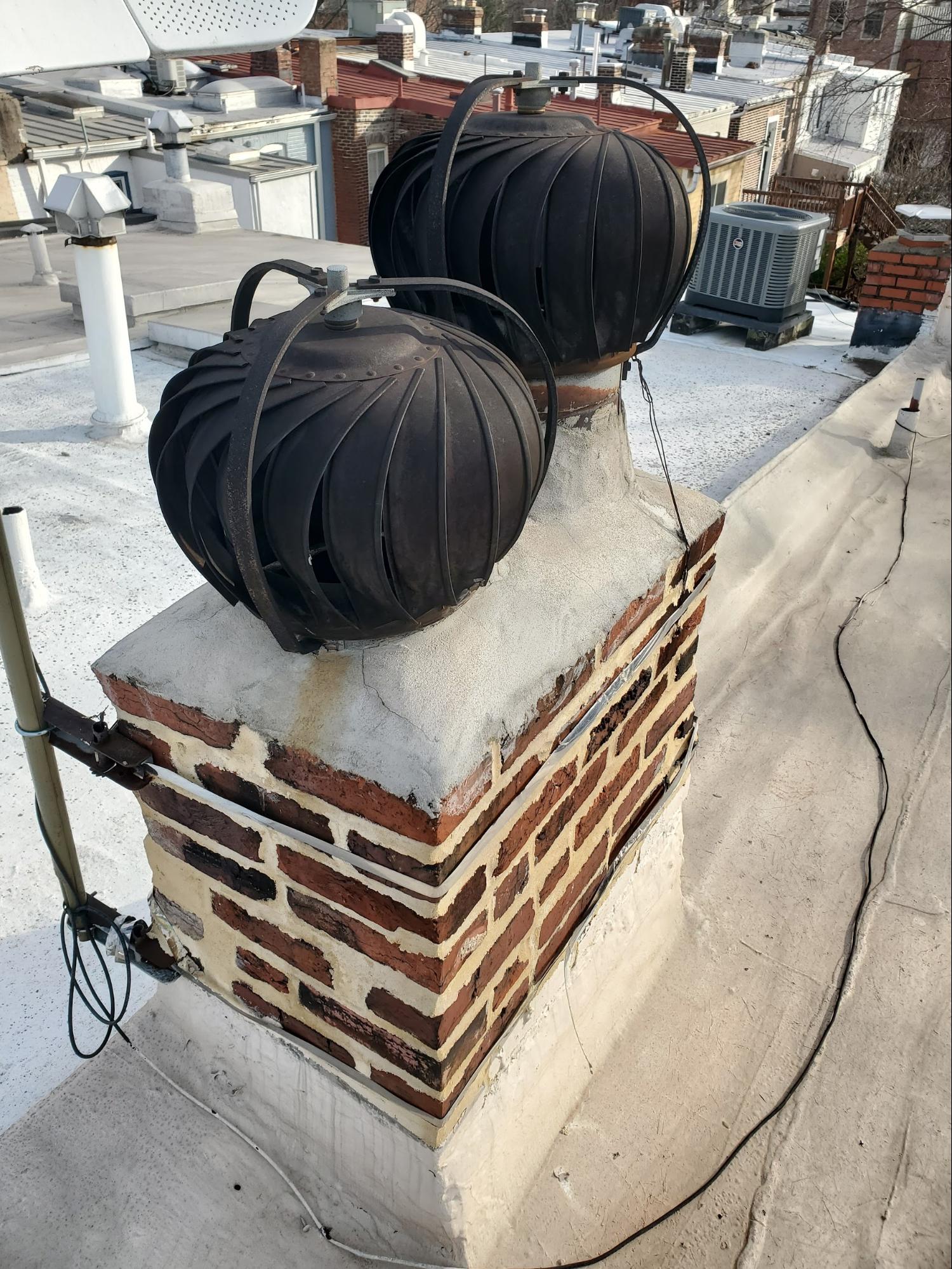
The chimney cap sits at the very top and its whole job is to keep rain and debris out. When it cracks, rusts, or goes missing altogether, rainwater falls straight down into the flue. Replacing a chimney cap is usually one of the simpler and cheaper chimney repairs out there.
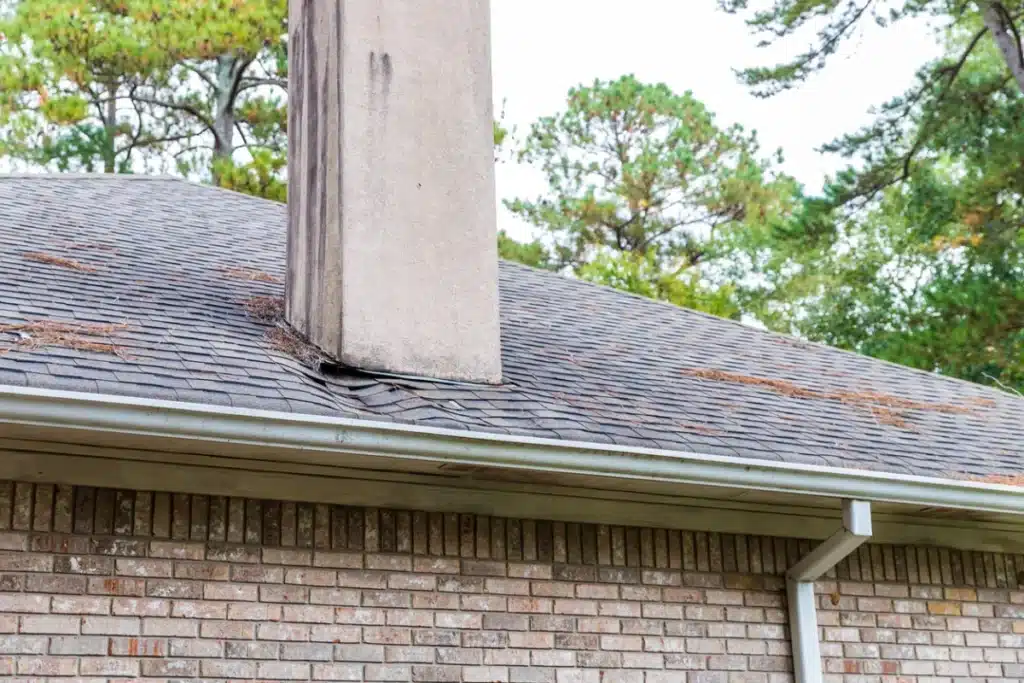
The flashing is the metal seal between the chimney and the roof, and it is actually the most common cause of chimney leaks. Temperature changes and natural settling of a house cause it to pull away or crack over time. Many homeowners mistake a flashing problem for a roof leak, so it is worth having someone check that specifically.
The chimney crown, which is the concrete slab sealing the top of the chimney around the flue opening, is another frequent trouble spot. Cracks form in it over time and allow water to run down inside the chimney walls. And if the brickwork itself is old or porous, it can absorb rainwater like a sponge and slowly let it seep through to the interior.
Do Something Small While Waiting for a Professional
If heavy rain is still falling and a repair cannot happen immediately, there are a few temporary measures that help limit the damage. Placing a waterproof tarp over the chimney top can reduce how much water gets in. Inside, putting towels or a bucket in the firebox catches any dripping and protects the floor. These are not permanent solutions but they buy some time without making things worse.

Bring in a Certified Chimney Professional
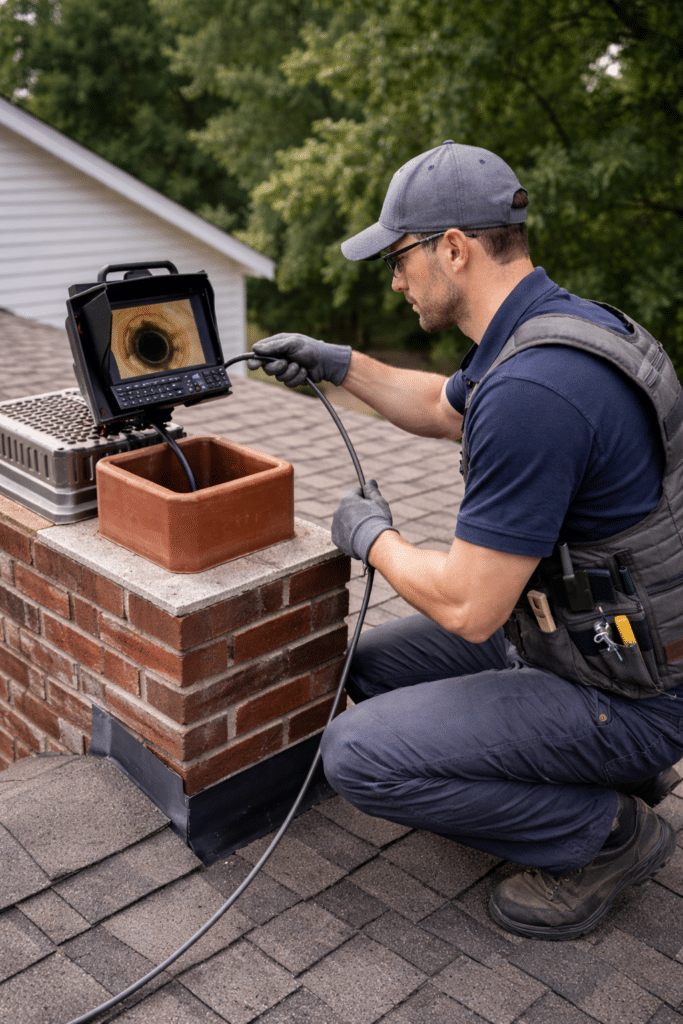
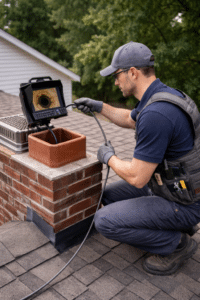
Chimney repair is genuinely one of those jobs that is better left to someone with the right training and tools. A certified chimney sweep can carry out a proper inspection, often using a camera to check the interior flue for damage that is invisible from outside. Common repairs include tuckpointing (replacing crumbling mortar), re-sealing or replacing the flashing, fitting a new chimney cap, repairing the crown, and applying a breathable waterproof sealant to the masonry.
Getting a professional in sooner rather than later almost always works out cheaper in the long run.
Keep It From Happening Again
Once repairs are done, a yearly chimney inspection is the single best habit a homeowner can build. Getting it checked before winter starts means any small issues are caught before cold weather and heavy rain make them worse. A quality chimney cap and a proper masonry sealant applied every few years will also go a long way toward keeping water out for good.
A chimney leak is fixable. The trick is just not to wait too long.